

If you're building software on your own in 2026, the tool question has changed shape.
Writing the code is the cheap part now, and the decisions that eat your weekends are where to put the database, how to get paid without becoming an accidental tax expert, and how to find out whether anyone is actually using the thing. This guide covers the stack we'd point an indie hacker at today, with one pick per job, the free tier that matters, and the point where it stops being free.
If you're after a broader list that includes banking, accounting and team chat, our free tools for bootstrapped founders and one-person business stack cover that ground. This one stays focused on building, charging for and measuring a software product.
How we picked these tools
Each tool had to clear three bars. It needs a free tier you can build a real product on, it shouldn't need a second person to configure, and leaving it later has to be survivable, which rules out anything that holds your data hostage.
Prices below were checked in November 2026 against vendor pricing pages and recent third-party breakdowns. They move often enough that you should confirm the number on the vendor's own page before you commit.
Build: an AI coding tool, a backend and somewhere to host
Cursor or Claude Code for writing the code. Cursor is a VS Code fork, so you keep your extensions and shortcuts while getting an AI layer that edits across files. It has a limited free plan and Pro costs roughly $20 a month.
Claude Code runs in your terminal as an agent, comes with Claude's paid plans, and the Max tiers start around $100 a month if you lean on it all day. Our pick depends on how you like to work: if you want to stay in an editor and steer, take
Cursor, and if you'd rather hand over a whole task and review the diff, take Claude Code. Plenty of solo builders end up using both. Our AI code editor rankings and AI coding tools roundup go deeper on the trade-offs.
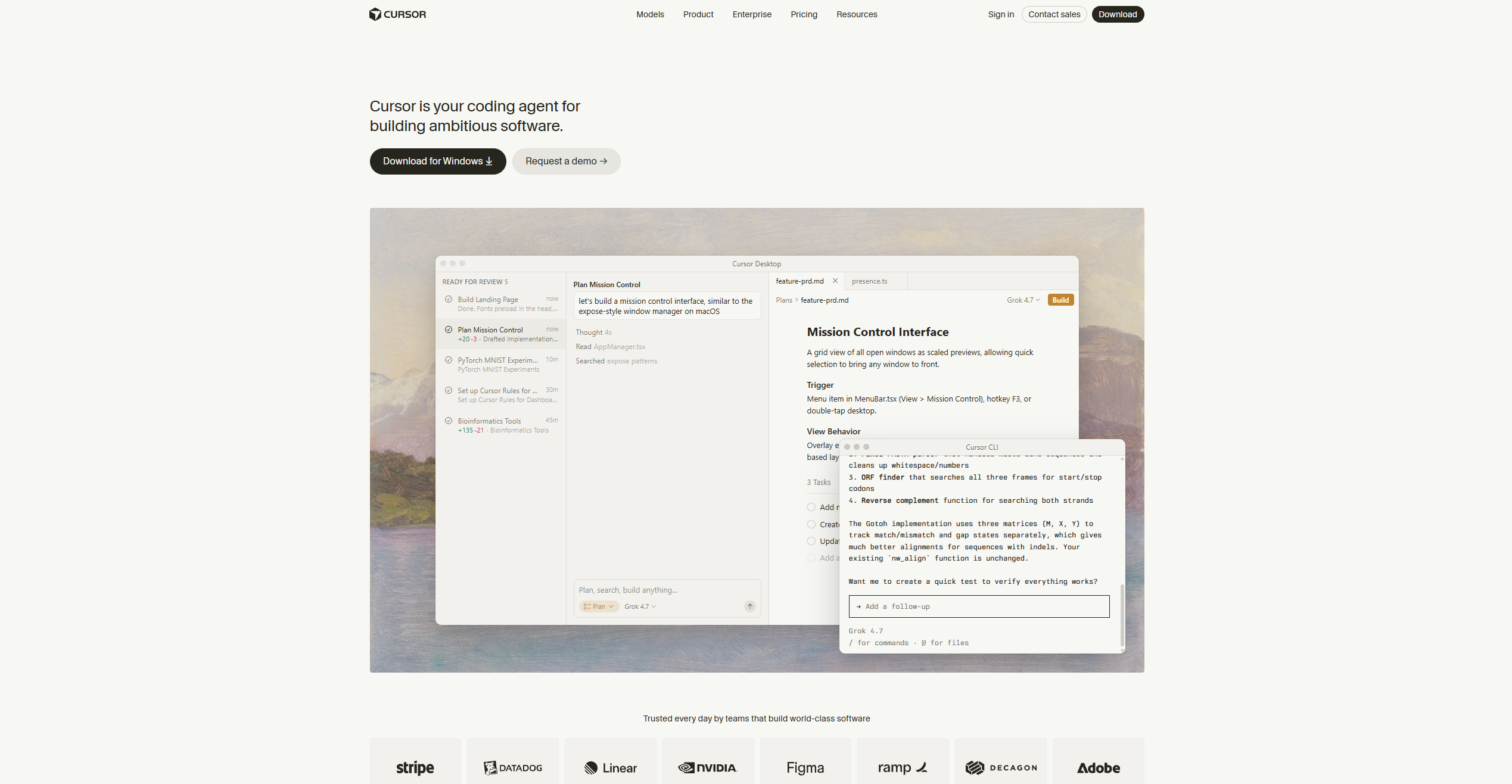
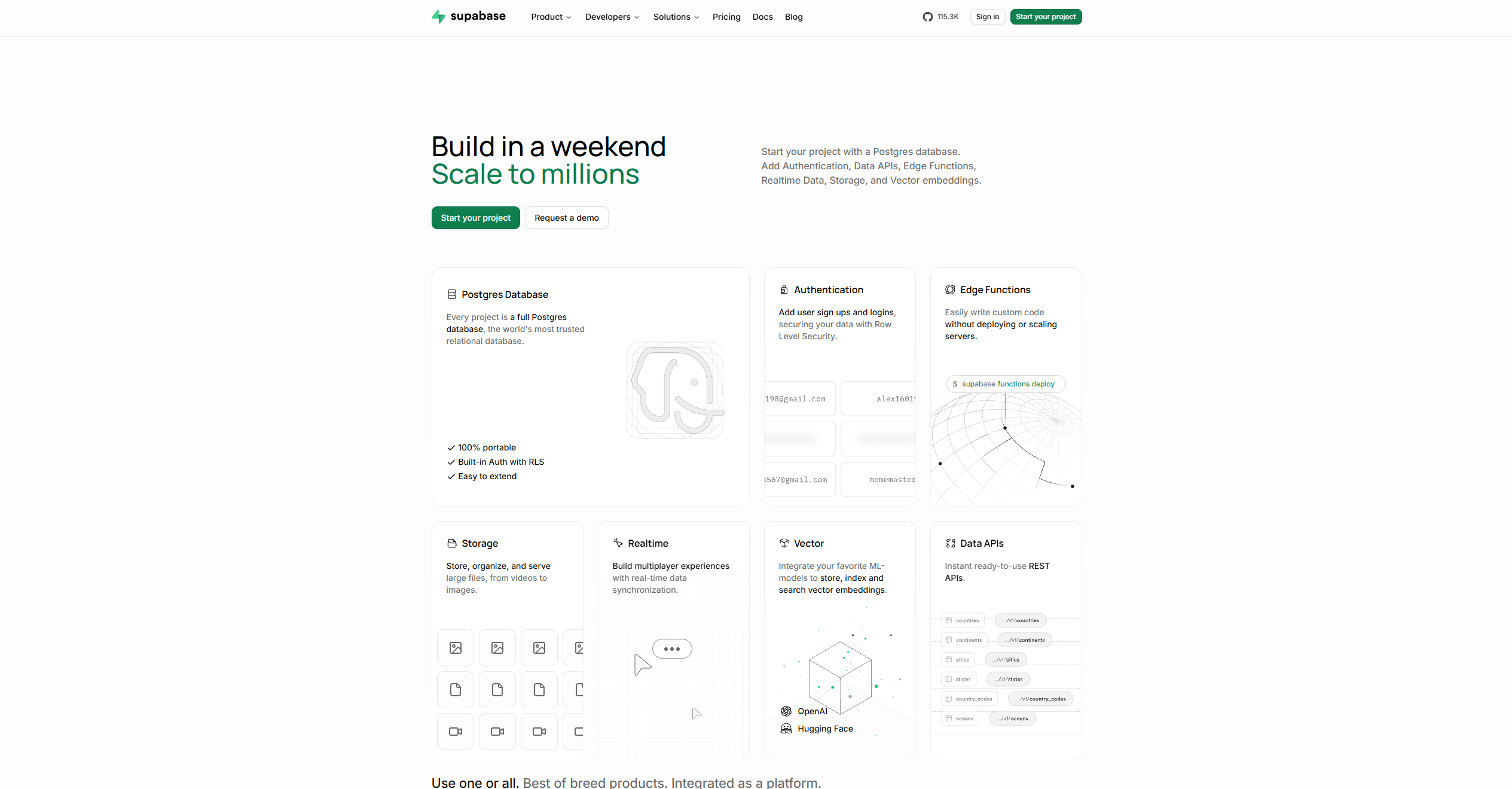
Supabase for the backend. You get Postgres, authentication and file storage behind one dashboard, which removes about three separate decisions from your first week. The free tier covers 50,000 monthly active users and a 500 MB database, and Pro starts at $25 a month.
The catch worth knowing is that free projects can pause after a stretch of inactivity, which is fine for a side project and awkward the moment real customers rely on it. That inactivity pausing is the main reason most paying products move to Pro early. We break down every tier, including the overage costs, in our Supabase pricing guide.
Cloudflare or Vercel for hosting. Cloudflare serves static assets for free with no request cap, and its Workers free tier allows 100,000 requests a day, which is plenty for an early product.
The paid Workers plan has a $5 a month minimum when you outgrow it. Vercel is the smoother path if you're building with Next.js, and its free Hobby plan is meant for personal projects, so expect to move to a paid plan once you're charging customers. Check their current terms before you launch. Both deploy automatically from a GitHub push, so the choice is mostly about which dashboard you'd rather live in.
GitHub for the code itself. Free private repositories and Actions cover version control and basic CI, and nearly every other tool on this list integrates with it first.
Get paid: Stripe or a merchant of record
This is the decision that deserves the most thought, because it's the one that's annoying to reverse. Stripe charges 2.9% plus $0.30 per card payment, and you're responsible for working out and remitting sales tax and VAT yourself, with Stripe
Tax available for a small extra percentage if you want help. A merchant of record such as Lemon Squeezy (acquired by Stripe in July 2024), Paddle or Polar becomes the legal seller, so they collect and remit tax in every country for you, at a headline rate of around 5% plus $0.50 per sale.
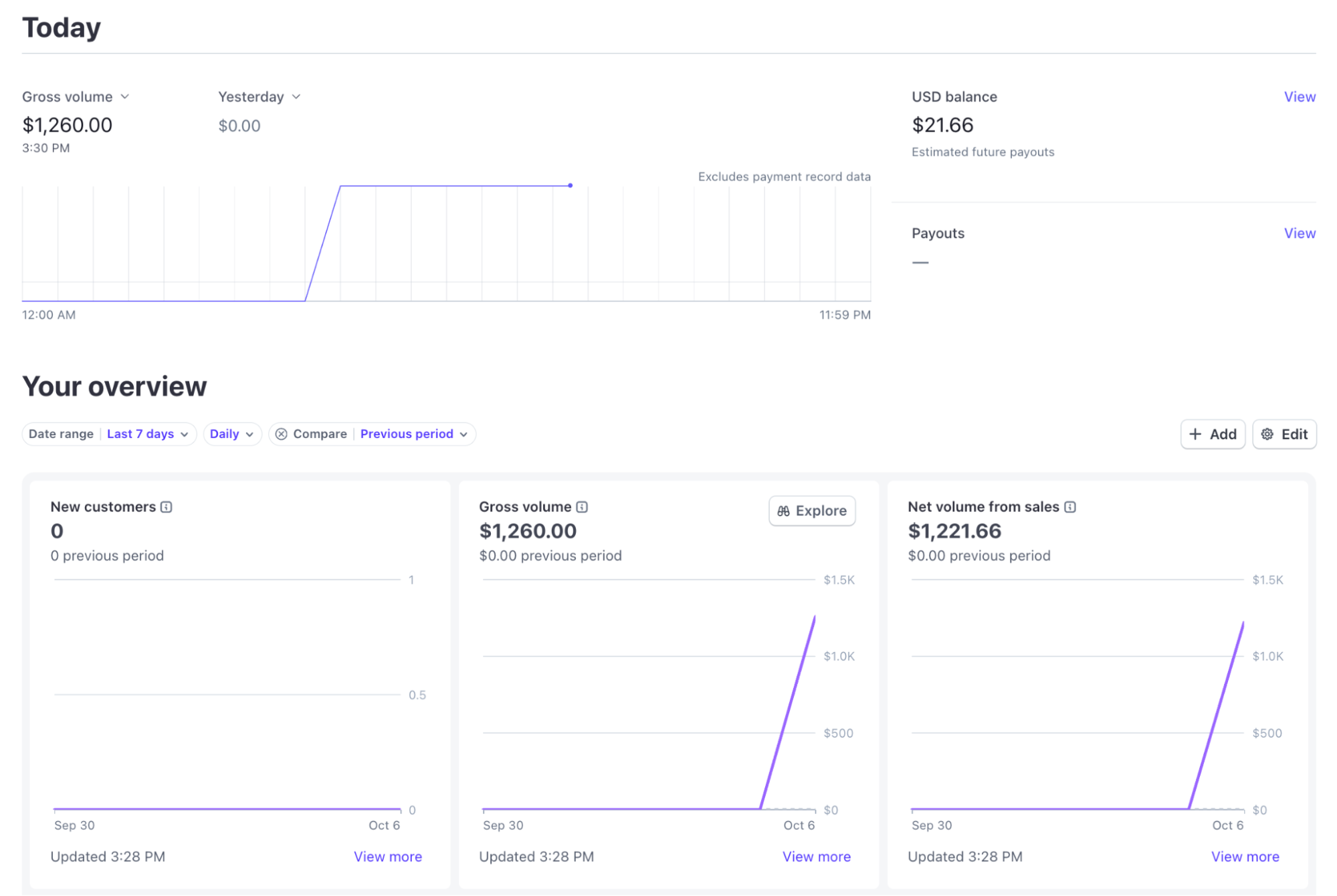
Here's what that looks like on a month with 100 sales of a $50 product, so $5,000 in revenue. Stripe's card fees come to about $175, while a merchant of record at 5% plus $0.50 comes to $300. That $125 difference is the price of never registering for VAT in another country, which many solo founders will happily pay. Fees on international sales can climb above the headline rate with some providers, so read the fee page for your customer mix.
A few details worth knowing. Polar raised its entry rate to match the rest of the market in May 2026, and its Pro plan now sits at $20 a month plus 3.8% and $0.40 per sale, which beats the flat 5% once your volume is up. Gumroad charges 10% plus $0.50 on direct sales before card processing fees are added, which makes it the most expensive option in this section.
Know what's happening: PostHog and Search Console
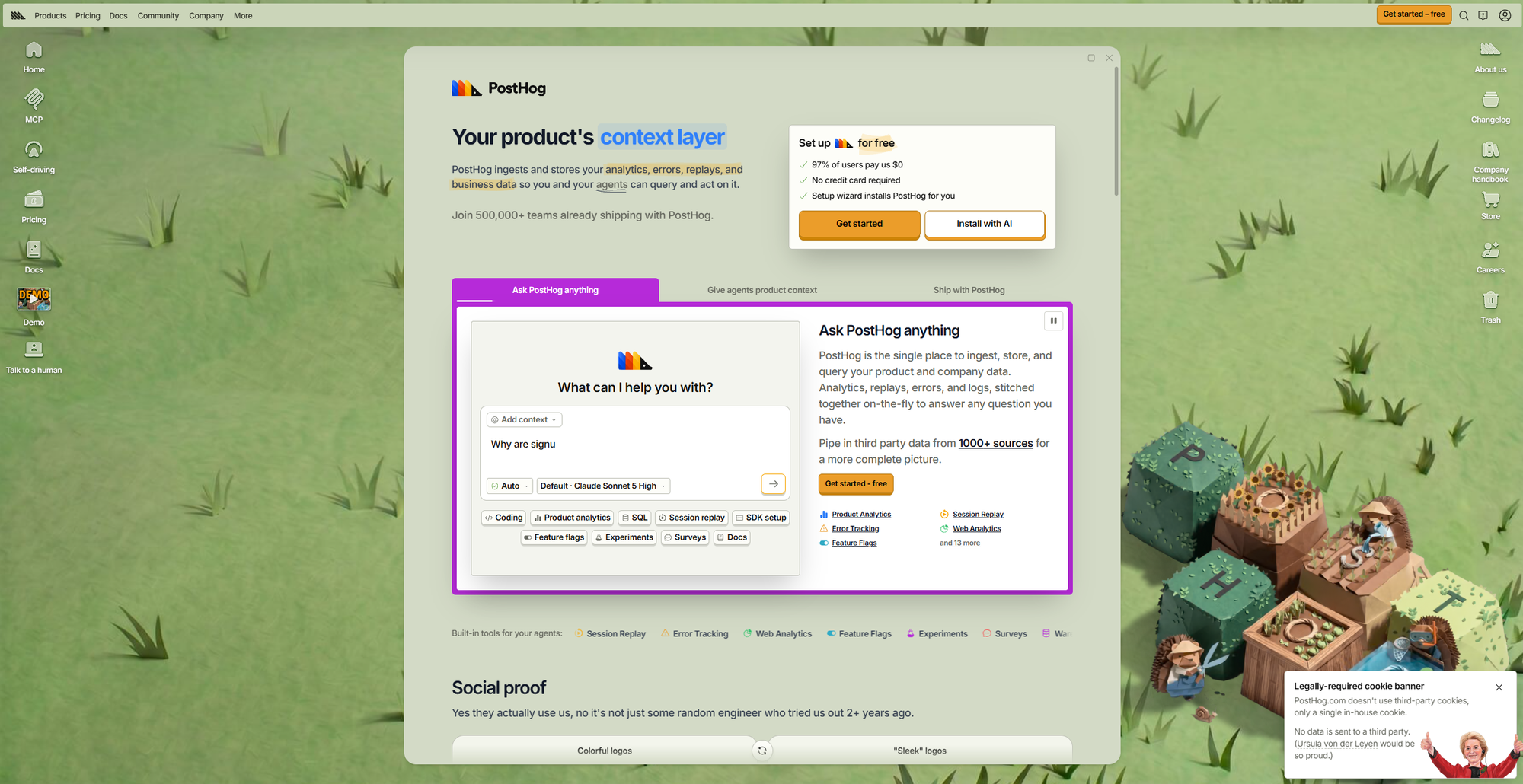
PostHog for product analytics. The free tier covers 1 million events and 5,000 session replays every month, resets monthly, and doesn't require a card.
Above that it's usage based, and you can set billing limits per product so a traffic spike never turns into a surprise invoice. Session replays are the underrated part, because watching five people get stuck on your signup form teaches you more than a funnel chart will. Install it before launch so you have a baseline from day one.
Google Search Console for SEO. It's free, it shows the real queries people used to find you, and it takes ten minutes to set up. If you plan to get users from search at all, verify your domain here on the day you buy it.
Get your first users
No tool will do this part for you, but a few places reliably send early traffic to software products. Show HN suits anything a developer would try in five minutes,
Product Hunt rewards a polished launch day, and the Indie Hackers community and relevant subreddits tend to reward honest build updates over announcements. Set up your analytics first so you can see which of them actually sent people who stuck around.
For the audience you own, any newsletter platform with a free tier will do the job, and Beehiiv has been a common starting point.
If you're still deciding what to build, our 500 indie app ideas and the list of SaaS ideas to avoid are good places to pressure-test an idea. And once you've shipped something, you can share your founder story with us.
Support and operations: keep it boring
A shared inbox and a spreadsheet will carry you to your first hundred customers. When that stops working, our guide to customer support tools for early-stage startups covers the options that won't charge you enterprise prices, and the founder friendly tech stack is a useful companion for the operations side.
The stack at a glance
| Job | Our pick | Free tier worth knowing | When you start paying |
|---|---|---|---|
| Writing code | Cursor or Claude Code | Cursor has a limited free plan | Around $20 a month for Cursor Pro; Claude Code comes with Claude's paid plans |
| Backend | Supabase | 50,000 monthly active users, 500 MB database | $25 a month on Pro, mainly to avoid project pausing |
| Hosting | Cloudflare or Vercel | Cloudflare static assets free, Workers 100,000 requests a day | Cloudflare Workers Paid from $5 a month; Vercel once you charge customers |
| Payments | Stripe or a merchant of record | No monthly fee, per-sale fees only | 2.9% + $0.30 on Stripe; around 5% + $0.50 on a merchant of record |
| Analytics | PostHog | 1M events and 5,000 replays a month | Usage based above the free allowance, with billing limits |
| Search data | Google Search Console | Free | Not applicable |
What to skip until you have revenue
A second analytics tool, a CRM, a design system and anything with "enterprise" on its pricing page can all wait.
Most solo founders end up paying for six or seven tools and using two of them, so the cheapest upgrade to any stack is cancelling the subscription you opened during a burst of optimism and haven't logged into since. Add a tool when a specific job is costing you real hours, and not before.
Frequently asked questions
What are the best indie hacker tools in 2026?
For building and selling software on your own, a solid default is Cursor or Claude Code for coding, Supabase for the backend, Cloudflare or Vercel for hosting, Stripe or a merchant of record for payments, and PostHog for analytics. All of them have free tiers you can launch on.
How much does an indie hacker stack cost per month?
You can launch on free tiers alone, with the AI coding tool as the one subscription most people pay for from the start, at roughly $20 a month for Cursor Pro. Once you have paying users, expect Supabase Pro at $25 a month and per-sale payment fees to be the next costs, with everything else scaling on usage.
Should I use Stripe or a merchant of record?
Stripe is cheaper per sale at 2.9% plus $0.30, but you handle sales tax and VAT yourself. A merchant of record costs around 5% plus $0.50 and takes on that tax work. If you sell mostly to US customers, start with Stripe, and if you sell to consumers in the UK or EU, a merchant of record usually saves more in admin than it costs in fees.
Is Supabase free for production use?
The free tier supports up to 50,000 monthly active users and a 500 MB database, which is enough to launch. Free projects can pause after inactivity, so most products with paying customers move to the $25 a month Pro plan.
Do I need a different stack if I'm not a developer?
Possibly. If you're building with no-code tools or running a services business, the choices change, and our one-person business stack is a better starting point.