

Four people who helped build CoScreen got back together after it shut down. They still wanted a way for two developers to work in the same window, so they built one they could release as open source.
A few threads away, another maker had a smaller problem. He wanted to put a message on a tablet, and the one thing he could do from a distance was open a web address.
That’s why we browse Show HN when we’re looking for founders to interview.
Someone shares what they’ve made, a reader asks a question, and a detail turns up that you’d never get from the homepage. Here are 12 launches we came across. The points are a snapshot from our November 2026 research, and each entry links to the original conversation.

1. Petal gives pair programmers their shared window back
After Datadog shut down CoScreen in July, co-founder Jason Thomas and three former teammates built Petal.
You can share a single window with another developer, who can move it around on their own desktop and work in it with you. Think about the moment on a call when you’re saying “no, the line above that one”. With Petal, your colleague can put their cursor there.
Thomas said the team made Petal free and open source after watching several screen-sharing tools disappear following acquisitions. That’s where we’d start an interview. Once you’ve seen your own product close, what do you build differently the second time?
Petal · Show HN discussion, 228 points
2. Llmspeed shows what a hardware upgrade would feel like
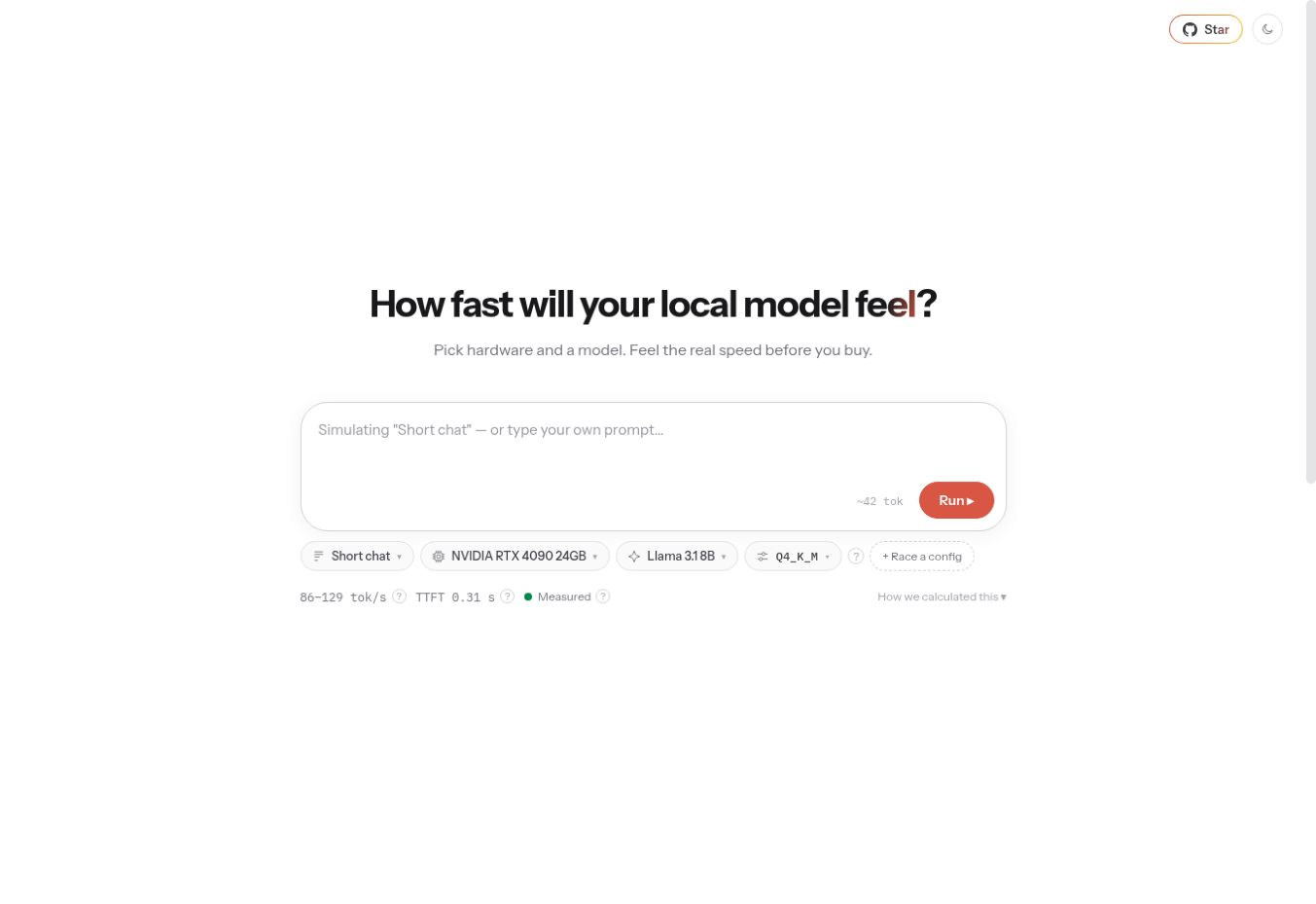
If you’re shopping for a computer to run AI models at home, you’ll soon find yourself comparing figures in tokens per second.
It’s harder to tell whether the cheaper machine would leave you drumming your fingers on the desk. Llmspeed lets you pick hardware and see how quickly a reply would appear. You can get a feel for the wait before you spend anything.
Llmspeed · Show HN discussion, 331 points
3. Unfenced finds land with public land next door
For someone hoping to walk straight from their property into a national forest, “near a forest” leaves an important question unanswered. Do the boundaries actually touch? Unfenced lets buyers look for US land for sale that shares a border with public land.
One reader who lived beside a state park added a detail you won’t find in most listings. A shared boundary also meant dealing with the fence, and the trail they’d been pleased to find was thick with ticks for part of the year. It’s worth opening the thread for that conversation alone.
Unfenced · Show HN discussion, 319 points
4. BetterWispr tidies up dictation on a Mac
Hold Option and Space in a Mac app and say what you want to write.
BetterWispr takes out the false starts and puts the text where you were typing. You can teach it how to spell a name, which matters if dictation gets the same client or colleague wrong every time. It’s free and open source, and the speech processing happens on your Mac.
BetterWispr · Show HN discussion, 220 points
5. Pulse Local answers spending questions on your own machine
Pulse Local is a Mac budgeting app for people who’d like to ask questions about their spending without sending their ledger to an AI provider. In local mode, it downloads the models to your machine and needs no account. Bank sync is a separate option.
The launch thread doubles as a record of the first fixes. Readers ran into trouble with bank files from Australia and Belgium. The maker came back with a release that addressed CSV import issues and the memory used while loading one of the models. If we spoke to the founder, we’d ask which real bank statement broke the most assumptions.
Pulse Local · Show HN discussion, 122 points
6. Ledge runs the commands you keep in your notes
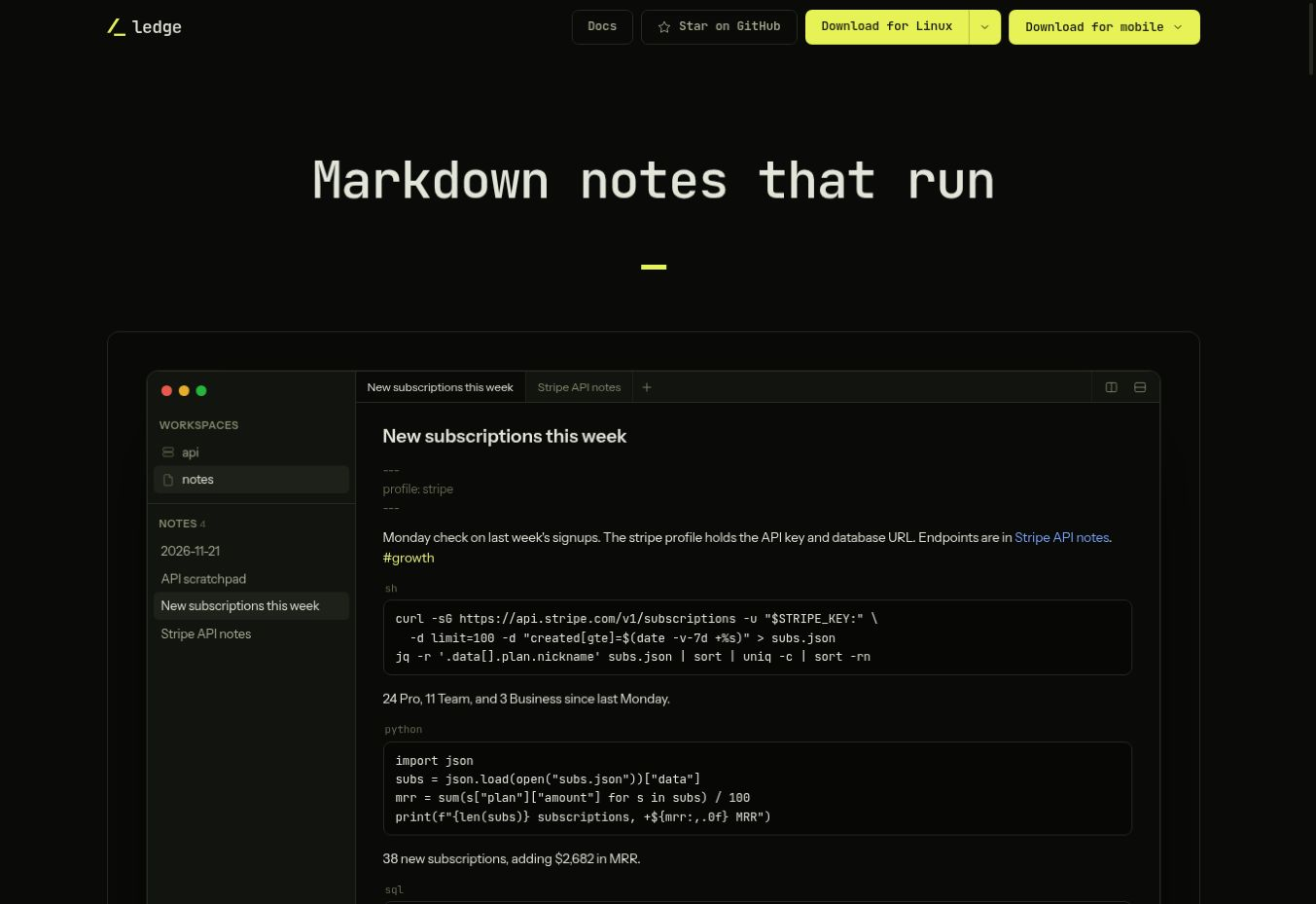
Ledge’s maker kept copying commands from a notebook into a terminal.
The command lived in one place, the explanation sat beside it, and the result appeared somewhere else. Ledge lets you run a command or SQL query inside a Markdown note. Its site has a good example of when that helps. Open the note for your weekly signup check and run the query right there, alongside the reason you saved it.
Ledge · Show HN discussion, 205 points
7. Corgi tells you which coding agent needs an answer
When several coding agents are running at once, one can sit waiting for input while you watch another work.
Corgi puts their status in a shared terminal view. Press F1 and it takes you to the next agent with an unread update. That single shortcut explains the appeal better than the term “terminal multiplexer” ever could.
Corgi · Show HN discussion, 142 points
8. WallHop started with a tool its maker missed
When 12ft.io disappeared, Josh missed having a way to open an occasional paywalled article on his phone.
He adapted an existing open-source project to build WallHop. He was candid in the launch thread about its limits. Some publishers keep the article text on their servers, beyond the tool’s reach. WallHop’s own site encourages people to subscribe to publications they read often.
WallHop · Show HN discussion, 289 points
9. Bigwords.page turns a link into a sign
Brad wanted to display a message on a tablet he managed remotely. He could open a URL on it. That small constraint became the whole design of Bigwords.page. The link holds the message and its display settings, so opening it is enough to turn a screen into a sign.
The airport pickup is the example that sold us.
Put someone’s name on your phone in letters they can read across the arrivals hall. A café could use the same tool to put its Wi-Fi password on a spare tablet by the till. Neither job needs an account.
Bigwords.page · Show HN discussion, 728 points
10. Guitoro lets you strum a guitar with your keyboard
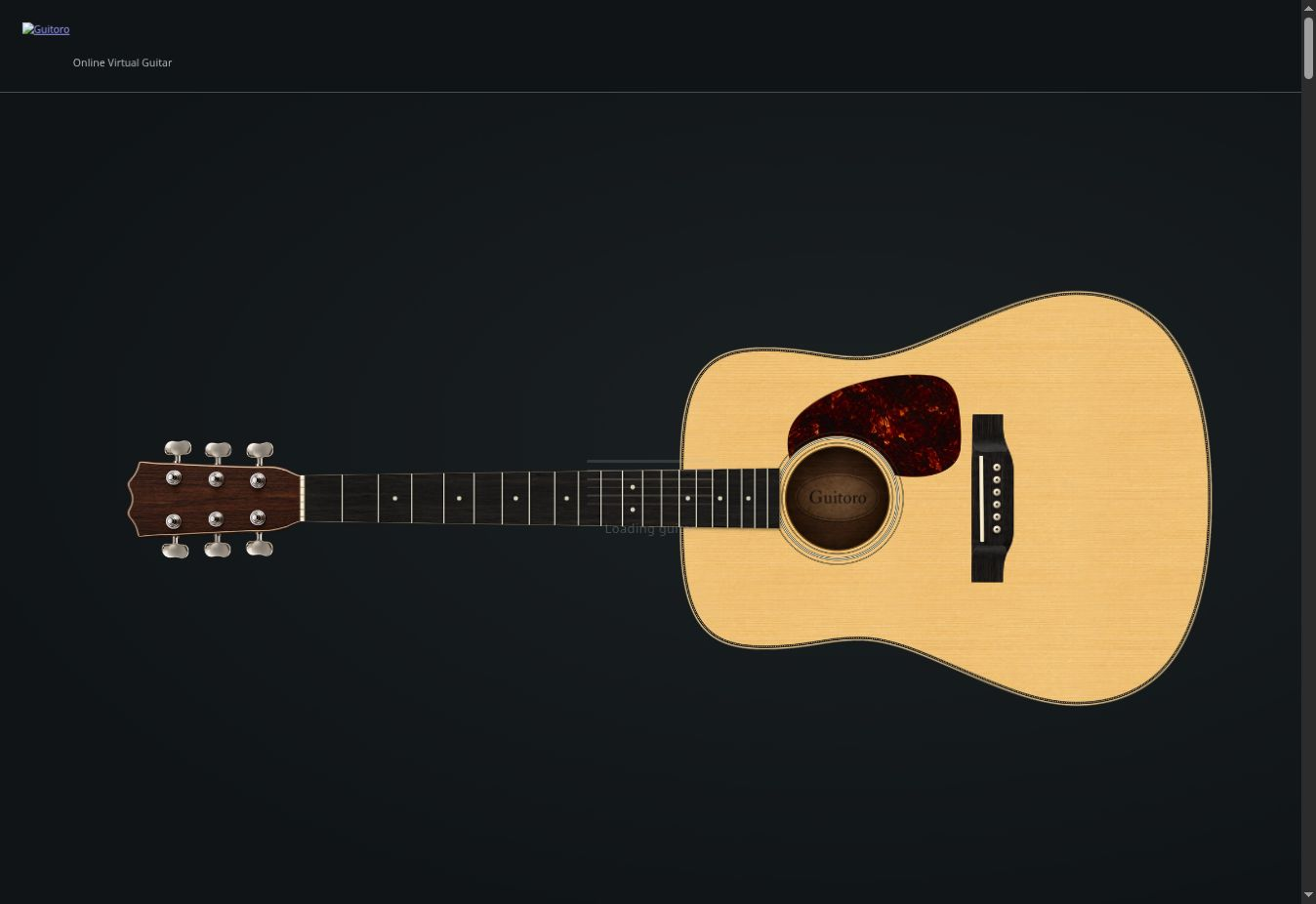
Your left hand holds a chord on the letter keys.
Your right hand uses H and J for downstrokes and upstrokes. Guitoro plays recordings of real instruments, and on a phone you can brush a finger across the strings instead. If a song gets away from you, slow it to a fifth of its usual speed and watch which strings the pick hits.
The maker asked readers for feedback on how the strumming felt and sounded. It’s a good question for a launch thread because everyone who opens the demo can have a go and give a specific answer.
Guitoro · Show HN discussion, 573 points
11. Permit Pending makes you get the flats past the neighbours
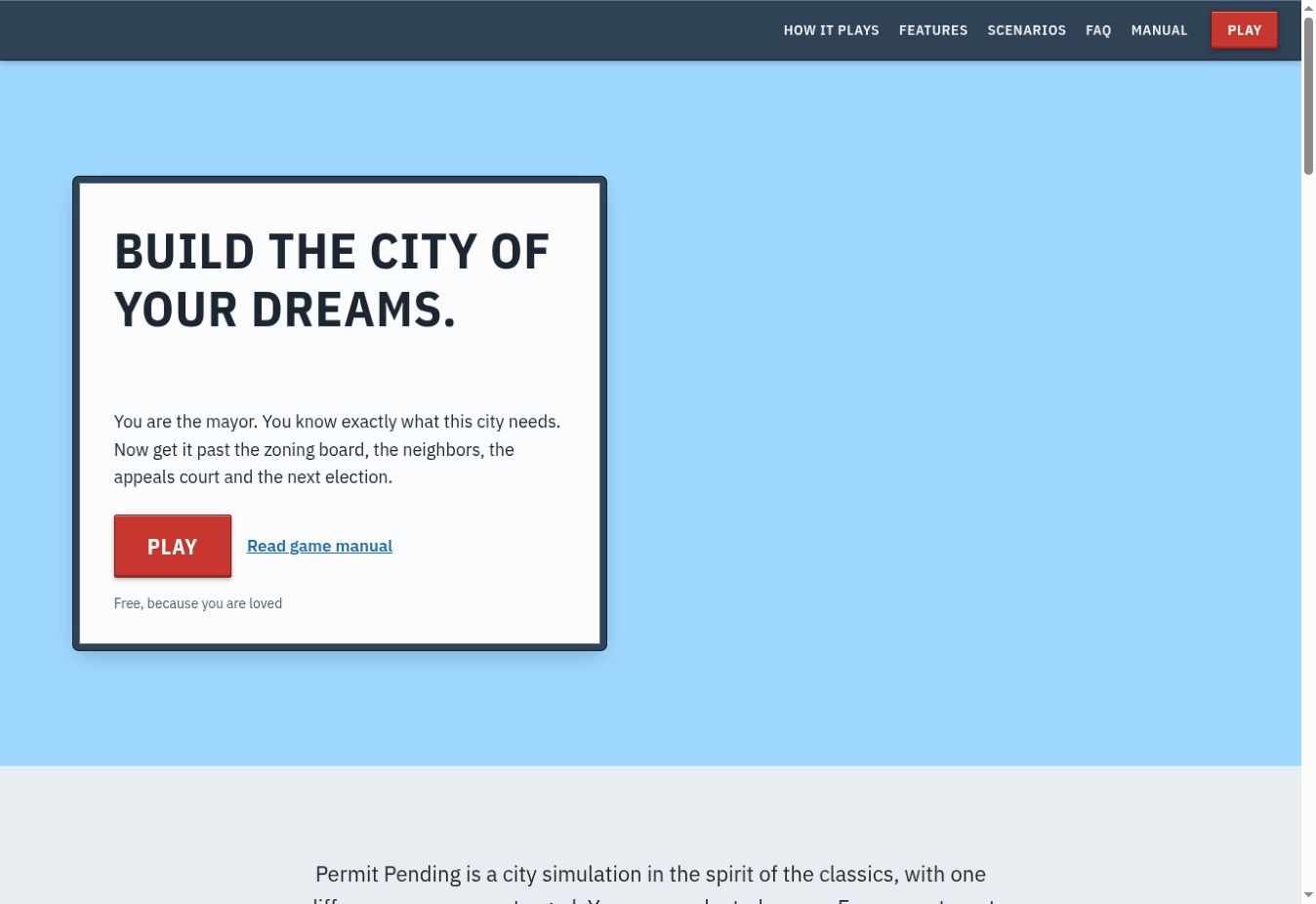
Peter Cai posted his city builder as SimCity, but with Permits. The game is called Permit Pending, and you play an elected mayor.
In one example, rents are rising and you have an empty lot for a 12-storey block of flats. Homeowners object over parking. By the hearing, you’ve traded away half the building’s height. There’s still an election to win.
It had the most points of the 12 when we checked. One reader spotted a petition with signatures from more than twice the town’s population. Somewhere between planning disputes and municipal arithmetic, Cai had found his audience.
Permit Pending · Show HN discussion, 941 points
12. Belle Lune 2 puts 526,000 asteroids in your browser
Belle Lune 2 is a live 3D map of the Solar System. Its maker’s launch post counted 526,000 asteroids alongside tracked satellites.
You can look for the International Space Station, then wind time forwards or backwards to see how its position changes. The map draws on NASA JPL and CelesTrak data, which the project says it updates daily.
The maker lets the asteroid data load in the background. It’s a small detail we’d ask about in an interview. When half a million objects are the reason someone clicks, how many do they need to see in the first few seconds?
Belle Lune 2 · Show HN discussion, 408 points
Who we’d interview first
Petal would be our first call. Jason Thomas has been through an acquisition, watched the original service close and chosen to build with former colleagues again.
We’d want to hear about the first conversation between the four of them. Who suggested starting over, and when did they agree that this time anyone should be able to keep the software running?
If you’ve built something and there’s a story behind it, we’d like to hear yours. Share your founder story with We Are Founders.