

The best founder community is the one where you’ll actually show up.
If you’ve spent a month trying to land your first customer, Indie Hackers gives you room to tell that story. If you want to know where someone got stuck using your app, a working demo on Hacker News gives them something to try.
Before you join, read the replies to a post like the one you’d want to write. Would you want a second conversation with anyone there?
The communities
1. Indie Hackers
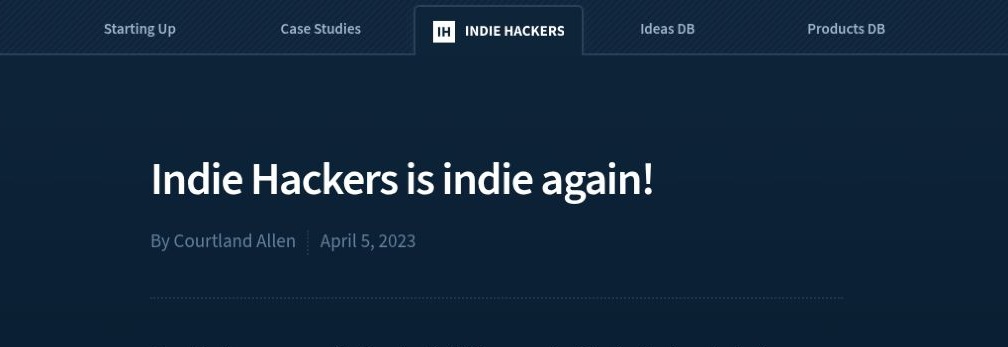
Indie Hackers suits founders who like to explain how something went. A post about your first paying customer has room for the awkward parts: how long it took, the email that earned a reply and what you’d change next time.
Courtland Allen’s own announcement about leaving Stripe is worth a read. Indie Hackers became independent again in 2023. Stripe stayed on as an investor. In the replies, people asked what the site cost to run and how the founders planned to earn money. A popular thread from 2023 won’t tell you how busy your niche is today, so check the dates on recent replies.
2. Reddit
Pick the subreddit that fits the question. r/SaaS makes sense if you’re weighing up a free trial for subscription software. For a question about running a local service business, try r/Entrepreneur. There’s also r/indiehackers for people building their own products.
If you want someone to look at your site, Feedback Friday on r/startups shows how to ask. That thread gives posters a template. Find the current edition and read the rules before sharing a link. A question like “At what point did you understand who this was for?” gives people a reason to click.
3. Hacker News
Show HN is a good fit when you’ve built something people can try. In the original Datasette launch, Simon Willison gave readers a working example using FiveThirtyEight data. They could explore a real database before deciding whether they had a question.
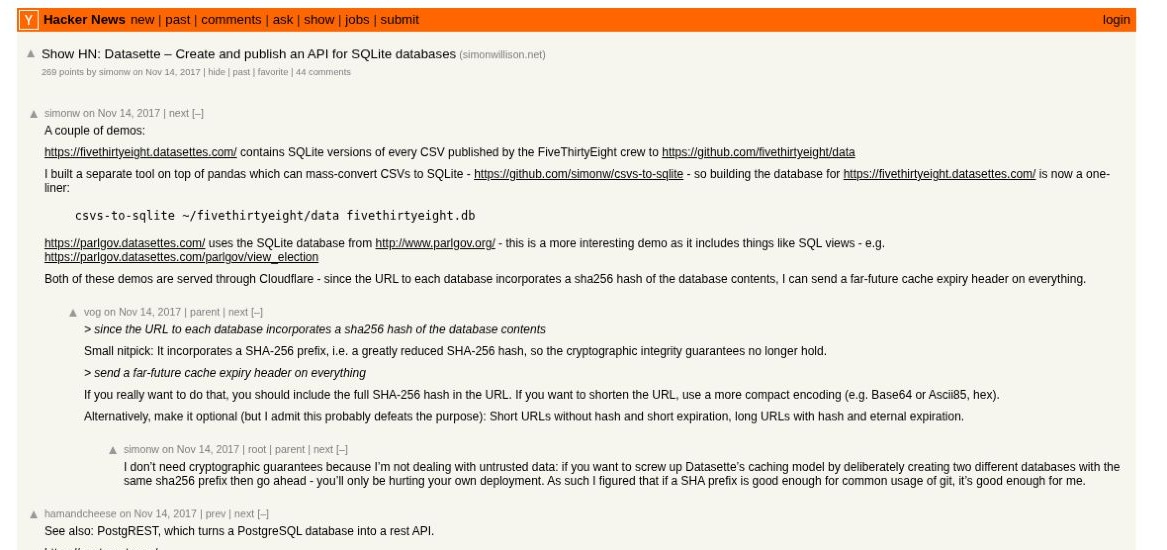
The Show HN guidelines ask makers to keep barriers to trying the product low. A demo that works without an account helps. If all you have is a waiting list, save Show HN for later.
4. X (Twitter)
X suits short updates that invite a reply. Say you’ve changed your checkout. Post the screen that gave people trouble and explain what prompted the change. Someone who has seen the same problem now has an opening to talk to you.
Building an audience here takes follow-up. If the same person replies to three updates, go and read what they’re working on. That exchange is a better sign you’ve found a peer than a post with a large view count.
5. Niche Slack and Discord groups
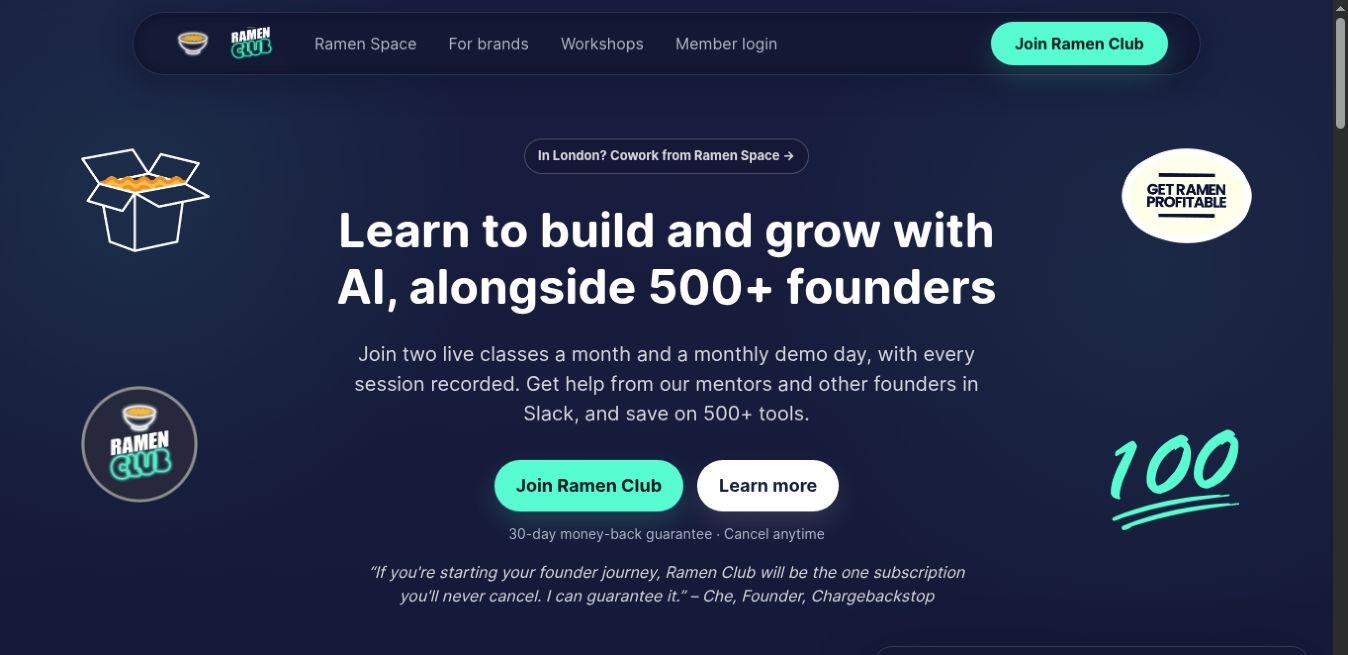
A small chat group comes into its own when someone remembers what you were working on last week. For founders building with AI, Ramen Club offers a paid community with Slack access, classes and a monthly demo day. It also points London members to its coworking space.
For a Slack workspace or Discord server, ask the organiser what happened in the group last week. A recent example will tell you more than a member count. Both platforms let members search conversations, but a useful answer in a private channel can be hard for someone outside the group to find.
A Belfast option. Founders Night at Ormeau Labs brings the local startup community together for founder interviews. If you’d rather meet people in person, its event listings are a good place to start.
6. Product Hunt
Product Hunt gives people a place to try your release and ask the maker questions. Use your first comment to explain one decision behind the product. For example, if you’ve built invoicing software for freelancers, explain why you let someone send their first invoice before setting up an account.
There’s community beyond the daily launches. Product Hunt’s guide for makers points to its forums and encourages founders to answer questions on other launches. Your ranking tells you little about whether someone will use your product next month. Follow up with the people who tried it.
7. Founders Today
Founders Today has separate spaces for launches and discussions. That makes it a place to return to with a question once your product is out. You might share what happened after your first week of onboarding calls and ask how other founders dealt with the sticking point.
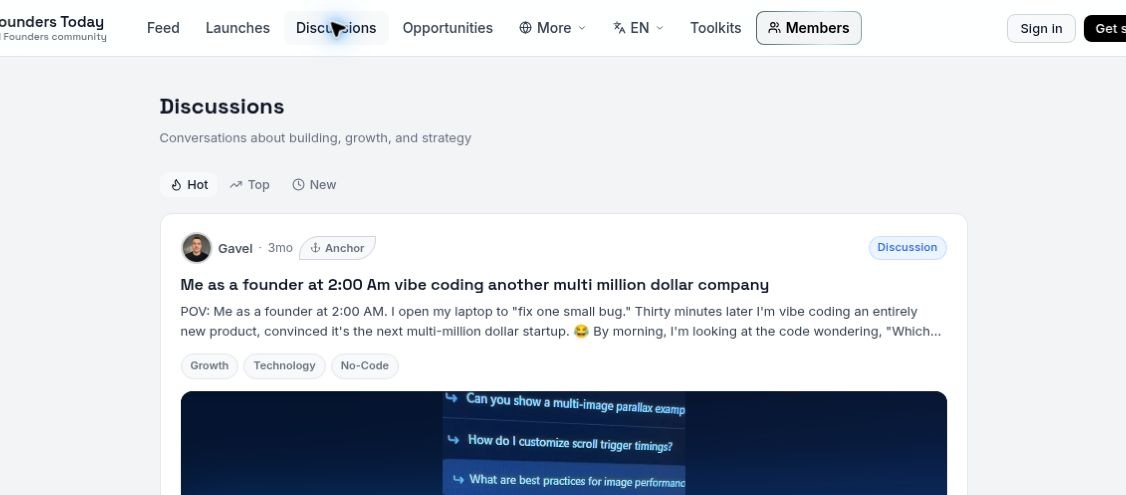
Before joining, open a few recent discussions in your field. Look for a reply you’d want to follow up on. It’s a quick way to judge whether the people you hope to meet are spending time there.
How to join without being that person
Spend your first week reading enough threads to learn what gets a useful answer. When you find a question you’ve dealt with, reply with the detail you wish you’d known at the time. Mention your own product if it helps answer the question and the group permits it.
When it’s your turn to ask, give people something small enough to answer. “Would you use my app?” asks a stranger to imagine a future purchase. “Which of these two plans would cover your last client project?” gives them a real decision to talk through. Come back to the thread once you’ve acted on a reply. People who helped often want to know what happened.
Related reading
FAQ
Which founder community is best for beginners?
Try Indie Hackers if you want to read about early decisions in detail. If you already have a specific question, search r/startups for someone who’s asked it before. An old answer can help you write a sharper follow-up.
Can I promote my product?
Each community sets its own rules. On Reddit, check the sidebar and pinned threads. Show HN welcomes working projects you helped build. On Product Hunt, the launch page is the natural place to introduce your product.
Are paid founder communities worth it?
Think about what you’d use in the next month. A demo session with the right audience might justify the fee on its own. If you mainly want to browse when you have a spare minute, try a public forum first.