
Product Hunt gives you a loud day and a quiet week. The platforms below trade the spike for longer-lasting listings, more targeted audiences or less competition, and most are free.
You do not need all of them. Pick two or three that match who your users are, and spend your effort writing one honest launch post rather than submitting everywhere.
Quick picks
- Developer tools: Show HN and DevHunt
- Pre-launch waitlists: BetaList
- Indie and micro-SaaS: Uneed and MicroLaunch
- AI products: Fazier
- Long-term search traffic: SaaSHub
The platforms
1. Hacker News (Show HN)
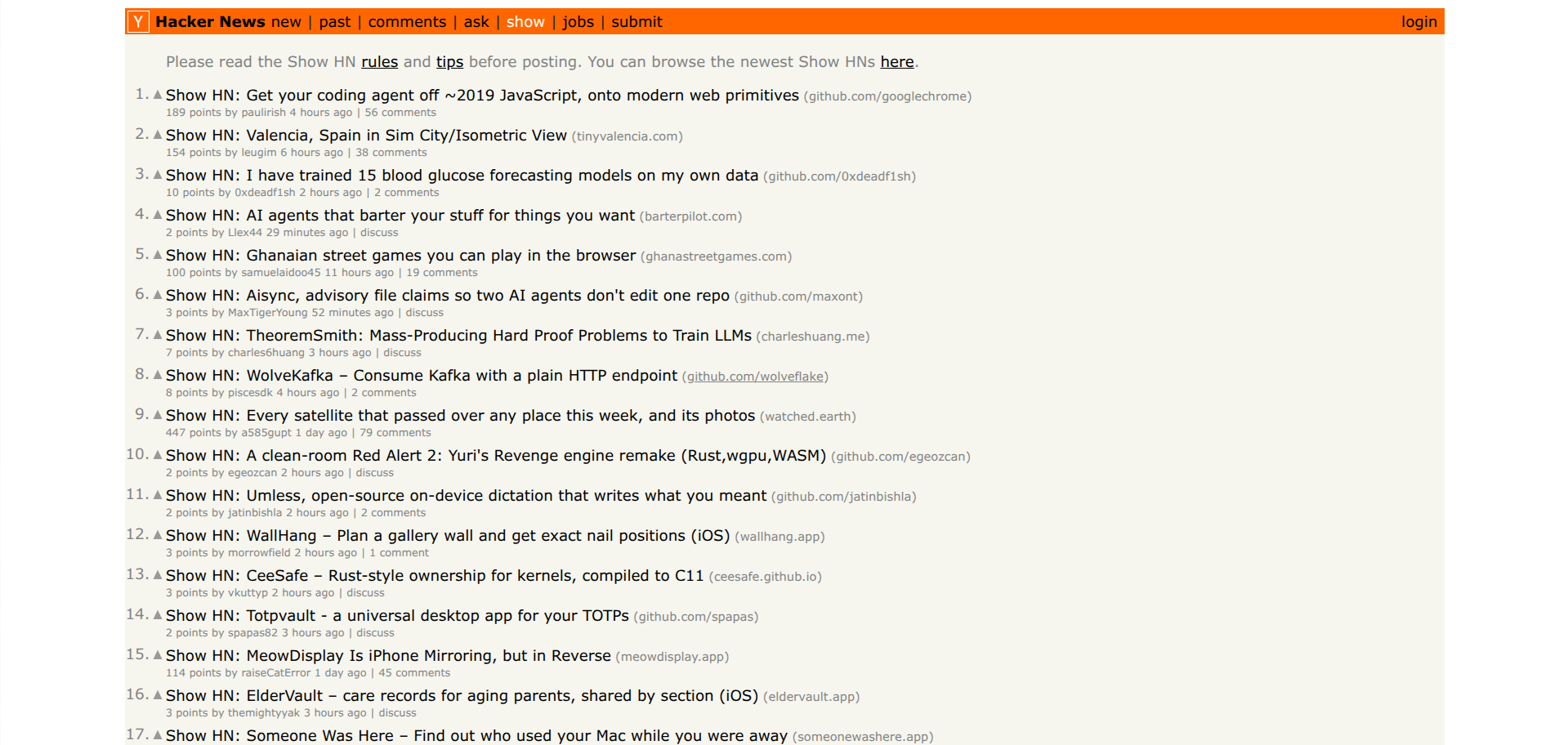
Show HN is a section of Hacker News where builders share what they made. It is free and reaches engineers, technical founders and CTOs.
Best for: Developer tools and anything people can try quickly.
2. BetaList
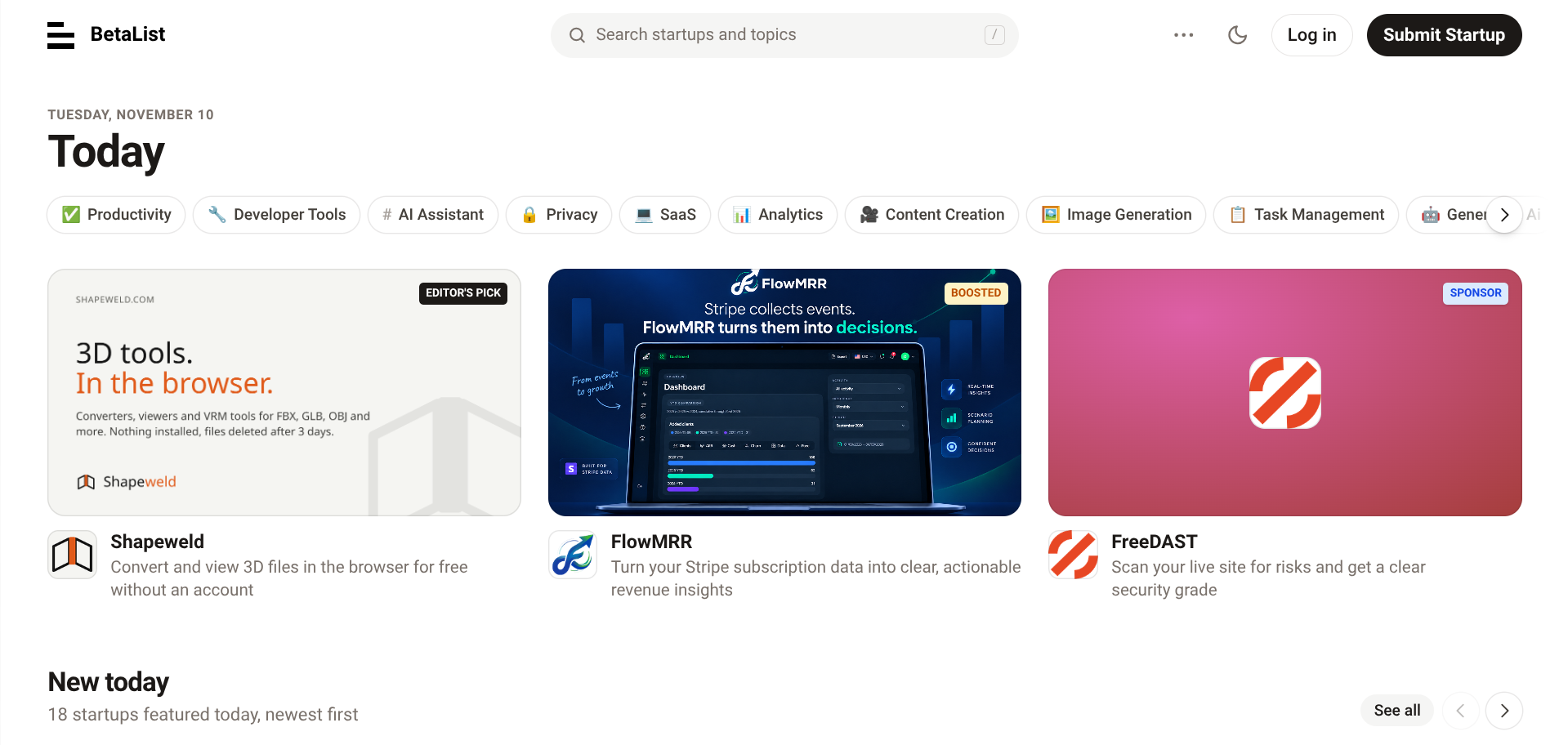
BetaList is a directory for pre-launch products that helps you collect waitlist emails before you’re ready to launch. It gives you a place to test whether your idea sparks enough interest for someone to sign up.
To make the most of it, send visitors to a landing page with a clear reason to join your waitlist. Explain what your product will help them do and what happens after they sign up.
Best for: Early-stage products testing demand before a wider launch.
3. Indie Hackers
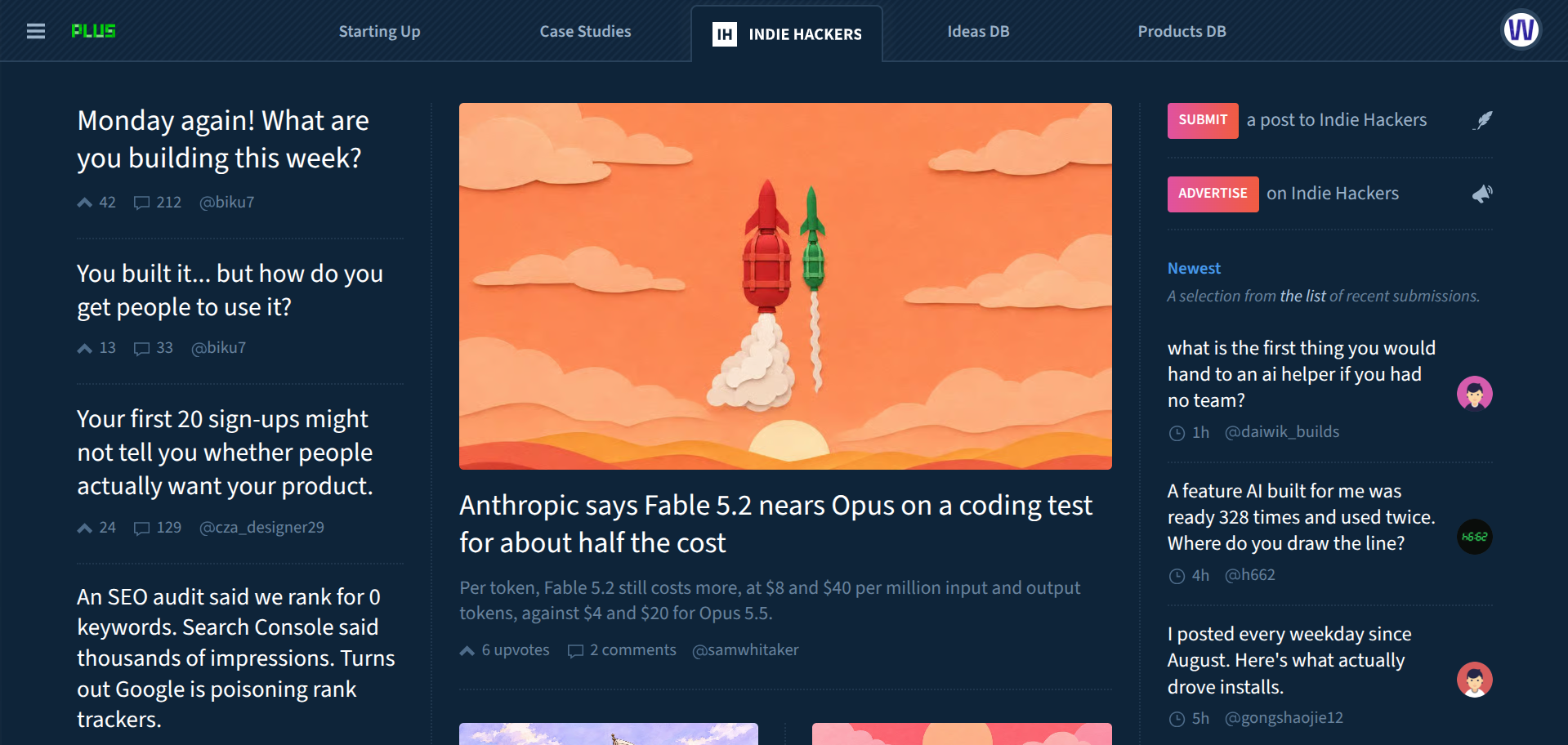
Indie Hackers is a forum for bootstrapped founders where your launch can become a conversation. A useful post gives people something to discuss, such as a problem you struggled with or a lesson from your first customers.
Give enough context for other founders to offer useful feedback. Include a link to your product where it fits, and stick around to answer questions. Treat the post as the start of a discussion.
Best for: Getting feedback from fellow founders and building relationships over time.
4. Uneed
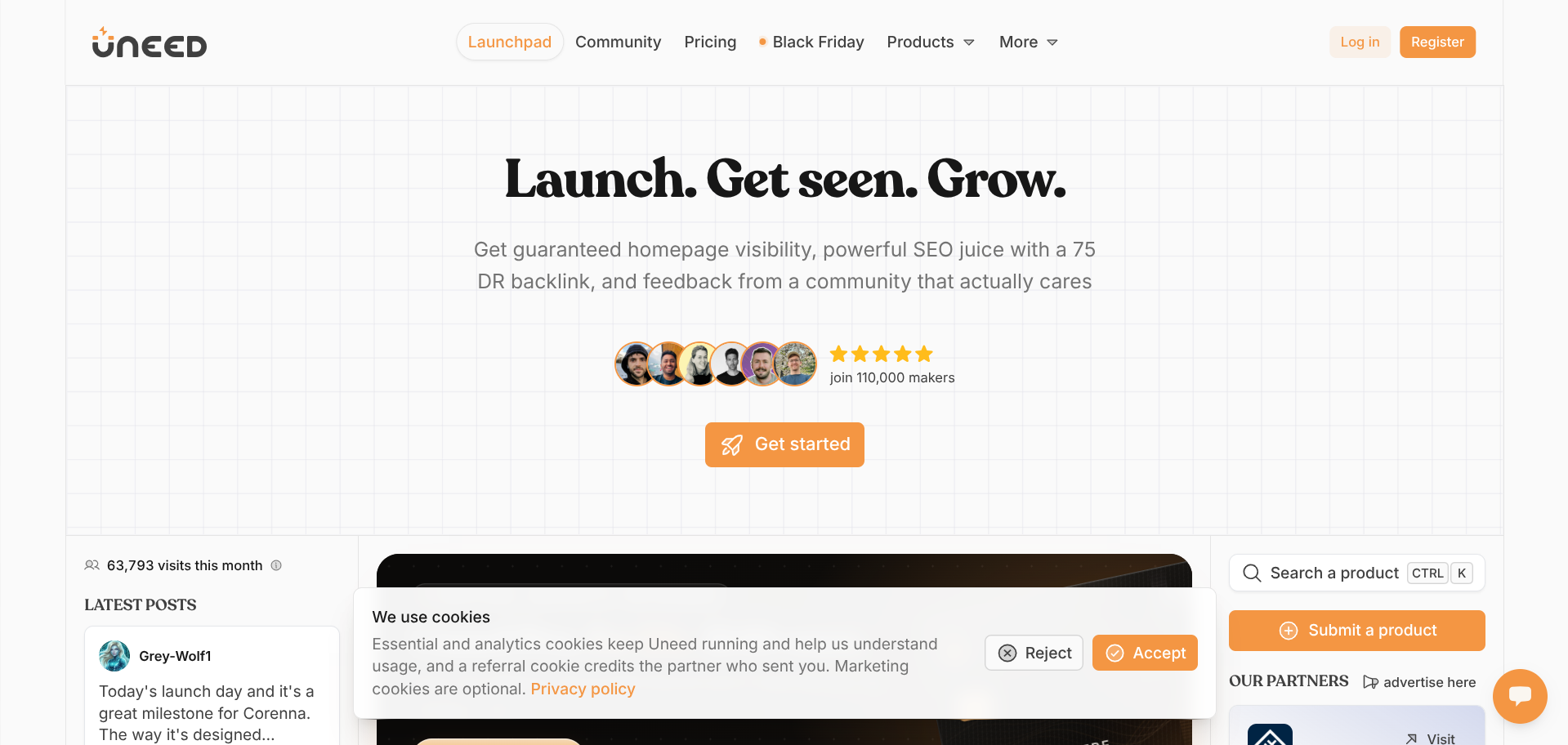
Uneed is a launch and discovery site for indie makers, with daily voting after a light review. It gives solo builders a place to introduce their product and see whether it catches people’s interest.
Make your listing easy to grasp at a glance. A clear screenshot and a short description of the problem you solve give visitors a reason to click through. Your landing page should then make the next step obvious.
Best for: Solo developers and small teams looking for a focused launch.
5. DevHunt
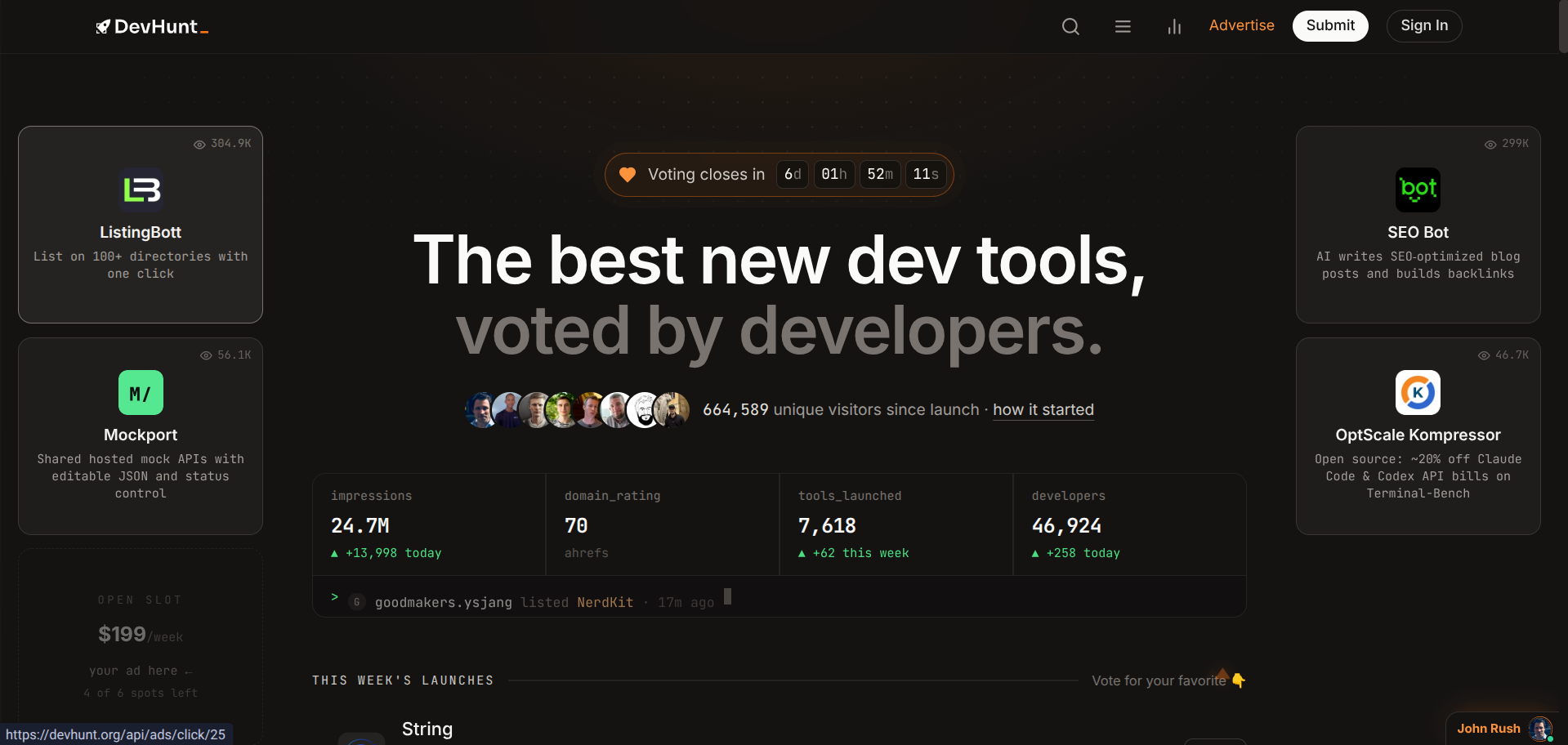
DevHunt runs weekly launches for developer tools such as APIs, CLIs, SDKs and IDE extensions. Its focus makes it a useful option when your product solves a problem developers face in their work.
Build your listing around a concrete use case. Show how the tool works with a short demo or code example, and make the setup steps easy to find. Give visitors enough detail to judge whether it fits their workflow.
Best for: Tools developers install or integrate into their projects.
6. Fazier
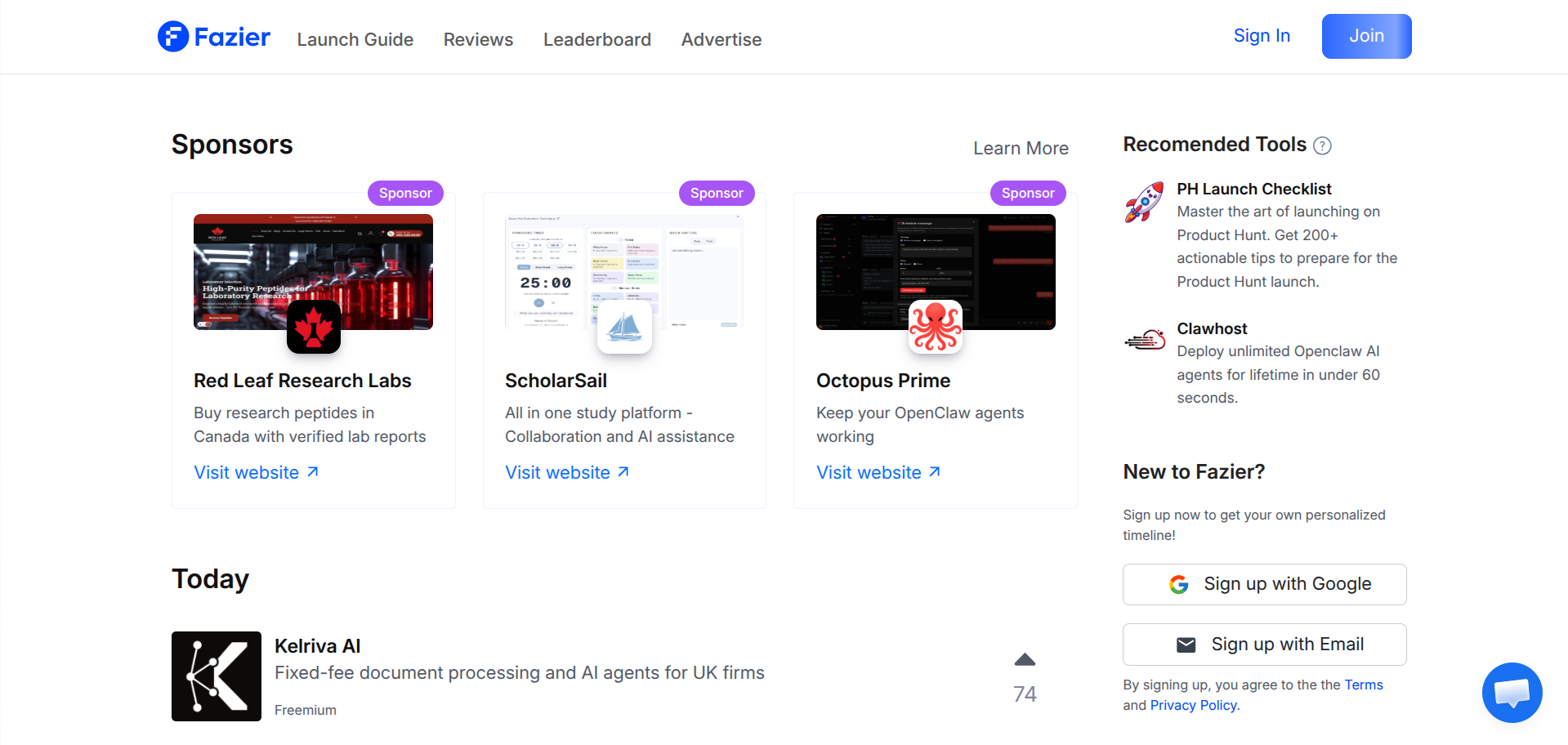
Fazier is another place to introduce your AI product and give potential users a reason to try it. For a small team, it can be worth testing as part of a wider launch.
Lead with the task your product helps someone complete. A short demo showing a useful result will tell visitors more than a broad claim about AI. Make any limits on the free trial clear before they click through.
Best for: AI makers testing another route to their first users.
7. SaaSHub
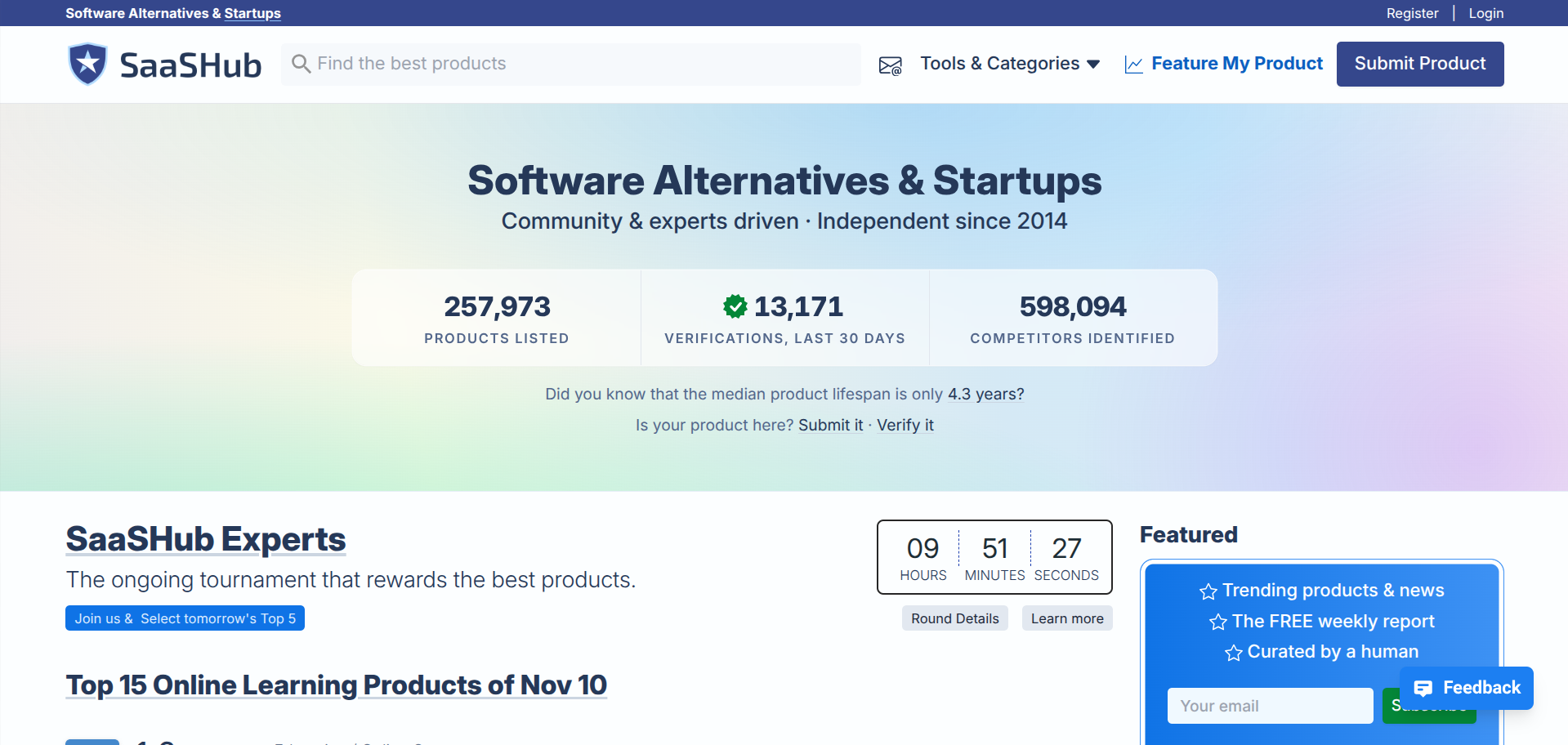
SaaSHub is a software discovery and comparison directory with no fixed launch window. A listing gives people another way to find your product while searching for alternatives to software they already use.
Explain where your product fits and who would benefit from switching. Give buyers enough detail to judge whether it meets their needs. Keep the listing current as your product changes.
Best for: B2B and SaaS products that buyers find through “alternatives” searches.
8. MicroLaunch
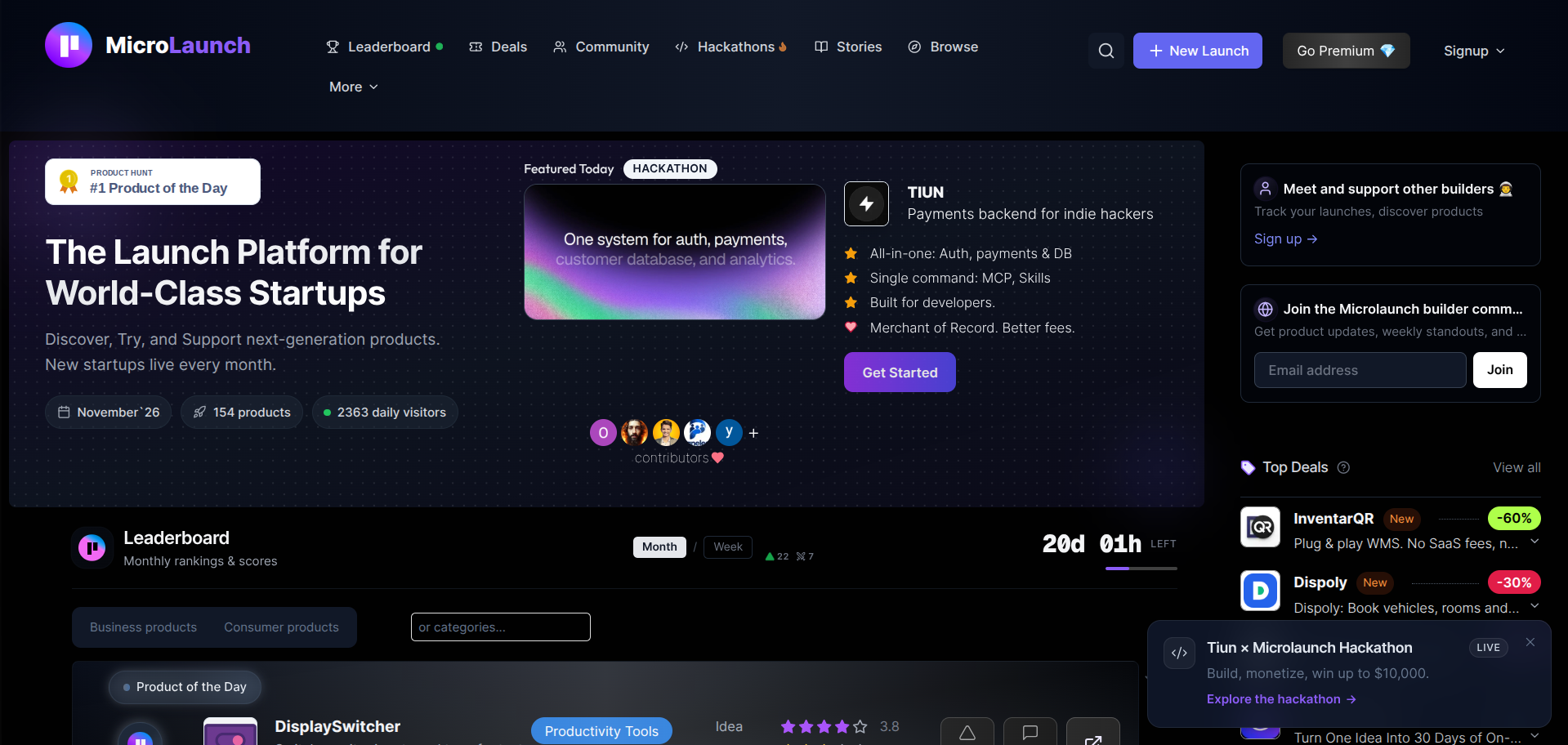
MicroLaunch is a curated platform for micro-SaaS and small, focused tools. It’s an option to consider if you’re a solo builder with a product that solves one specific problem.
Keep your listing as focused as the tool itself. Explain who it helps and show a real example of it in use. A visitor should be able to understand the benefit without having to work through a long feature list.
Best for: Solo builders of small utilities with a clear purpose.
Watch for: Interest from other makers may not reflect demand from paying customers. Track how many visitors try the product.
9. Smol Launch
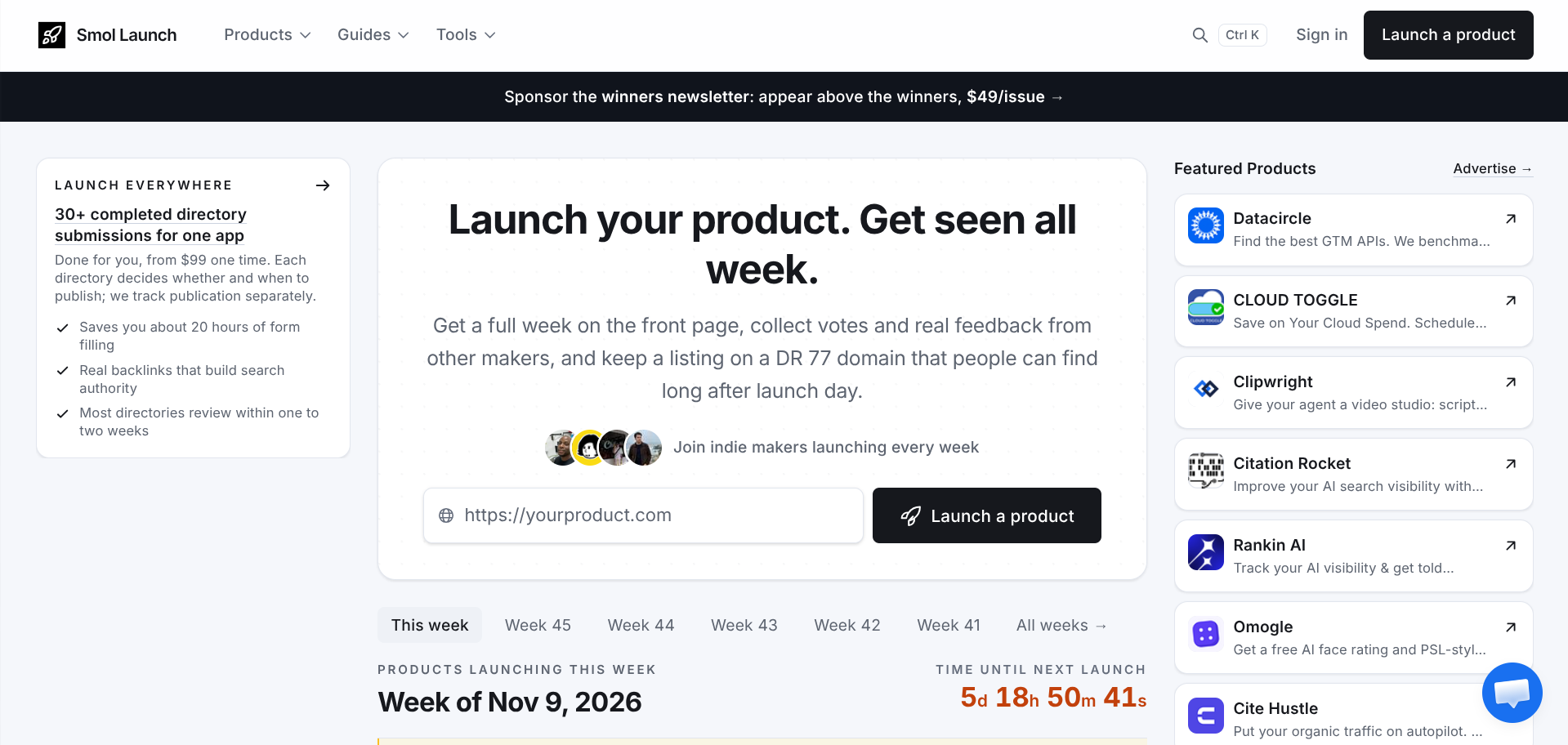
Smol Launch uses a seven-day launch window, giving your product a full week to get noticed. That extra time can help if you’re fitting a launch around a day job or handling everything yourself.
Use the week to learn from the response. If visitors keep asking the same question, update your landing page to answer it. Give yourself time to follow up with people who try the product.
Best for: First-time launchers and indie projects that would benefit from a longer launch window.
10. ProductWatch
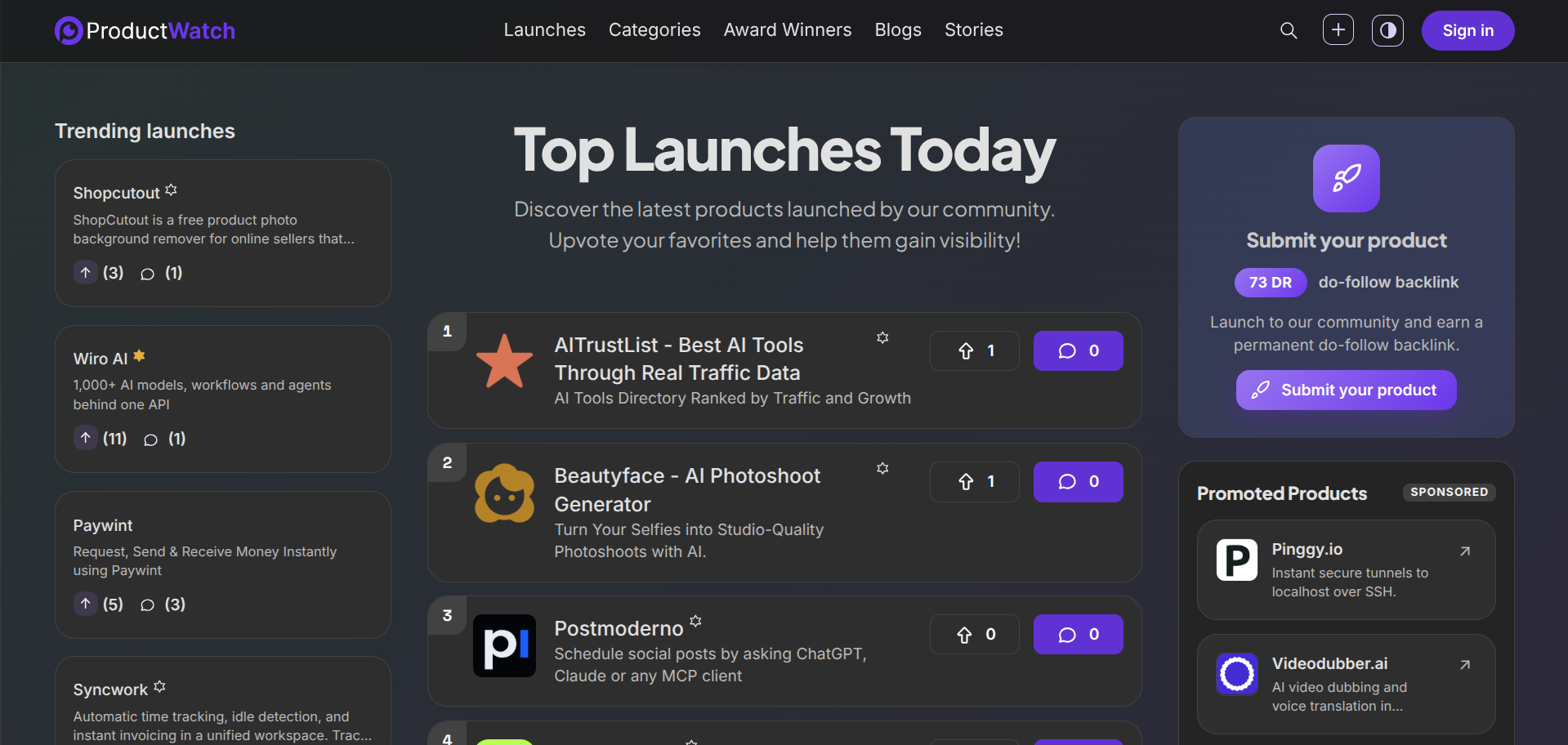
ProductWatch is a community feed of new tech products. You’ll need a working demo or landing page to pass review, so get that ready before submitting.
Give visitors a clear route to trying what you’ve built. A short description should explain the problem it solves, while your demo shows it in use. If the product isn’t open to everyone yet, make it clear how people can get access.
Best for: Products aimed at early adopters and developers looking for new tools.
Also worth a look
PitchWall, SideProjectors, Peerlist, Launching Next and OpenHunts are smaller directories and launch communities. Treat them as extras once your main launch is done.
How to run a launch that works
- Fix your landing page first. Every platform sends people to the same place.
- Write the story, not the pitch. Say what you built, why, and what you want feedback on.
- Stagger your launches. Do not post everywhere on the same day. Space them over a few weeks.
- Reply to every comment. That is where the value is.
- Track what converts. Add UTM parameters so you can see which platform produced real signups.
FAQ
Is Product Hunt still worth it?
It can be, but it is one channel among many and traffic is concentrated around launch day.
Which launch site is best for developer tools?
Show HN and DevHunt.
Do these sites help SEO?
Directories such as SaaSHub and Uneed can provide backlinks and long-tail traffic, but results vary.
Related reading
Coming soon.
Details were checked in November 2026 from public guides and may have changed. Some claims about traffic and conversion come from the guides' authors and are not independently verified.