
Full disclosure before we start: Chris Kernaghan, who runs We Are Founders, is also the founder and publisher of feedme.design, a publication about e-commerce design and the small details that decide whether people actually buy. We don’t usually interview ourselves, but this one is more about the subject than the site.
Chris first ran it years ago as a general design site, let it go, and recently relaunched it with a much narrower focus on online stores, original breakdowns and data. He writes alongside Alex Marlowe and Jo Calder, who worked with him on the UX side of e-commerce.
In this Q&A, the three of them explain why they brought the site back, what most stores still get wrong, why design affects the bottom line more than people expect, and how AI is changing the way people shop.
Who are you, and what is feedme.design?
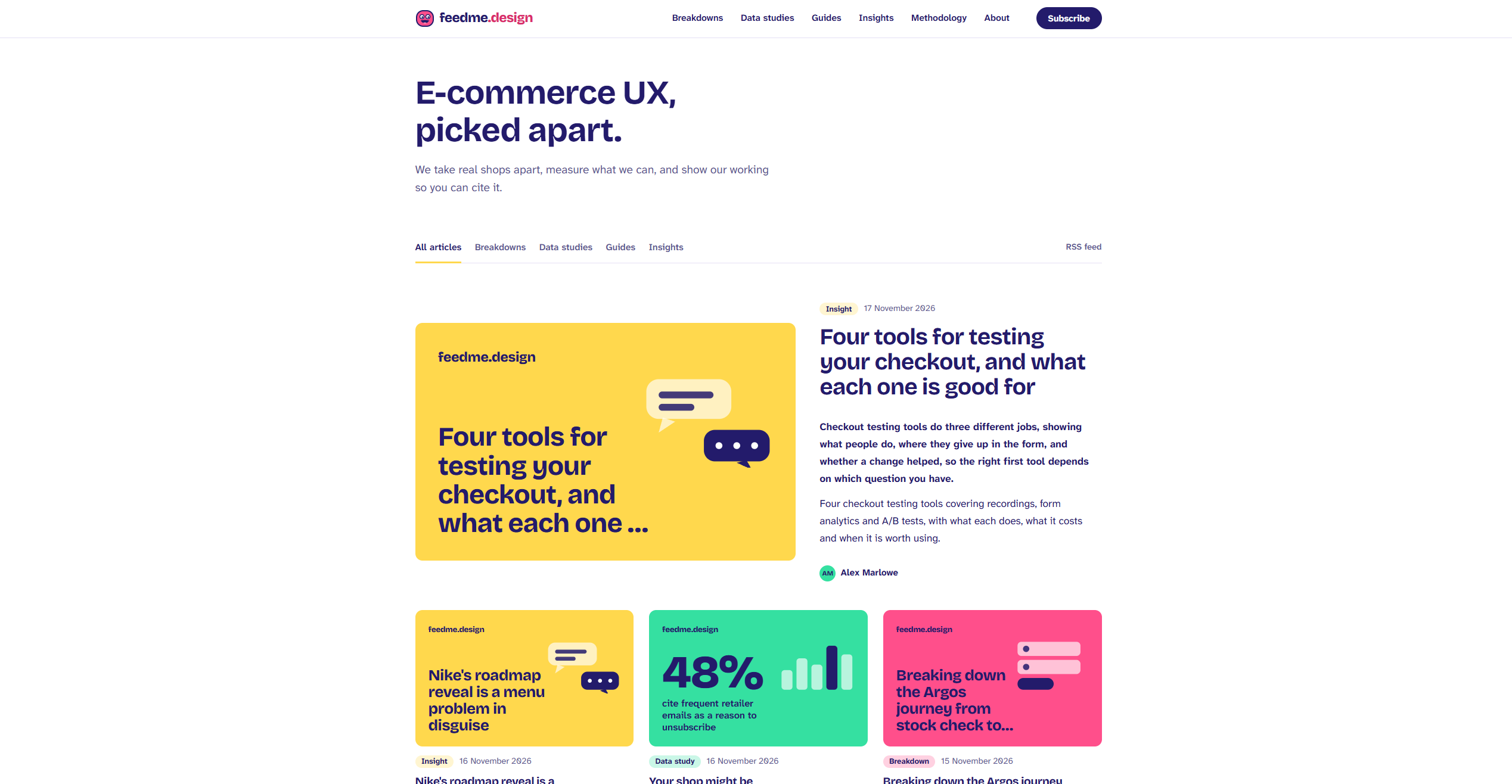
We're Chris, Alex and Jo, and we met working on the UX side of e-commerce, the part of the job where you spend your days watching people try to buy something and taking notes on everything that slows them down. feedme.design is where we write about that.
It's mostly e-commerce UX breakdowns and original research, plus an Insights section where we talk through whatever's come up that week, the way we would over a pint. Chris is the founder and publisher, and Alex and Jo write a lot of what goes out.
Why bring feedme.design back, and why focus on e-commerce?
We were actually profitable for a bit, mostly from ads and sponsorships. Absolutely no one wanted to pay to remove the ads, though, and as interesting as the content was, the monetary value just wasn’t there.
Part of the problem was that our approach to talking about design was too scattered. We’d be talking about gaming one day, then e-commerce, then book design, which is fine for a random thoughts blog, but it wasn’t focused on the one thing we all have in common: good e-commerce experiences. So Chris let it go. Then he noticed some big publications were still linking to articles that no longer existed, which was a fairly strong hint that people still wanted it.
When we talked about bringing it back, the gap was obvious. There’s a mountain of generic UX advice online, and much less written by people who’ve sat through checkout testing sessions and seen which changes actually move the numbers. Focusing on stores also makes it more useful to the people who run them, who mostly want to know what to fix first.
How does feedme.design make money, and where are you now?
It already makes money.
It’s not profitable yet, but we expect it to be within the next three months. Niching down has put us in a much stronger position for sponsorships and advertising than the old site ever was, because a brand selling to online stores knows exactly who’s reading.
What did working in e-commerce UX teach you that most stores still get wrong?
That most of the problems are boring.
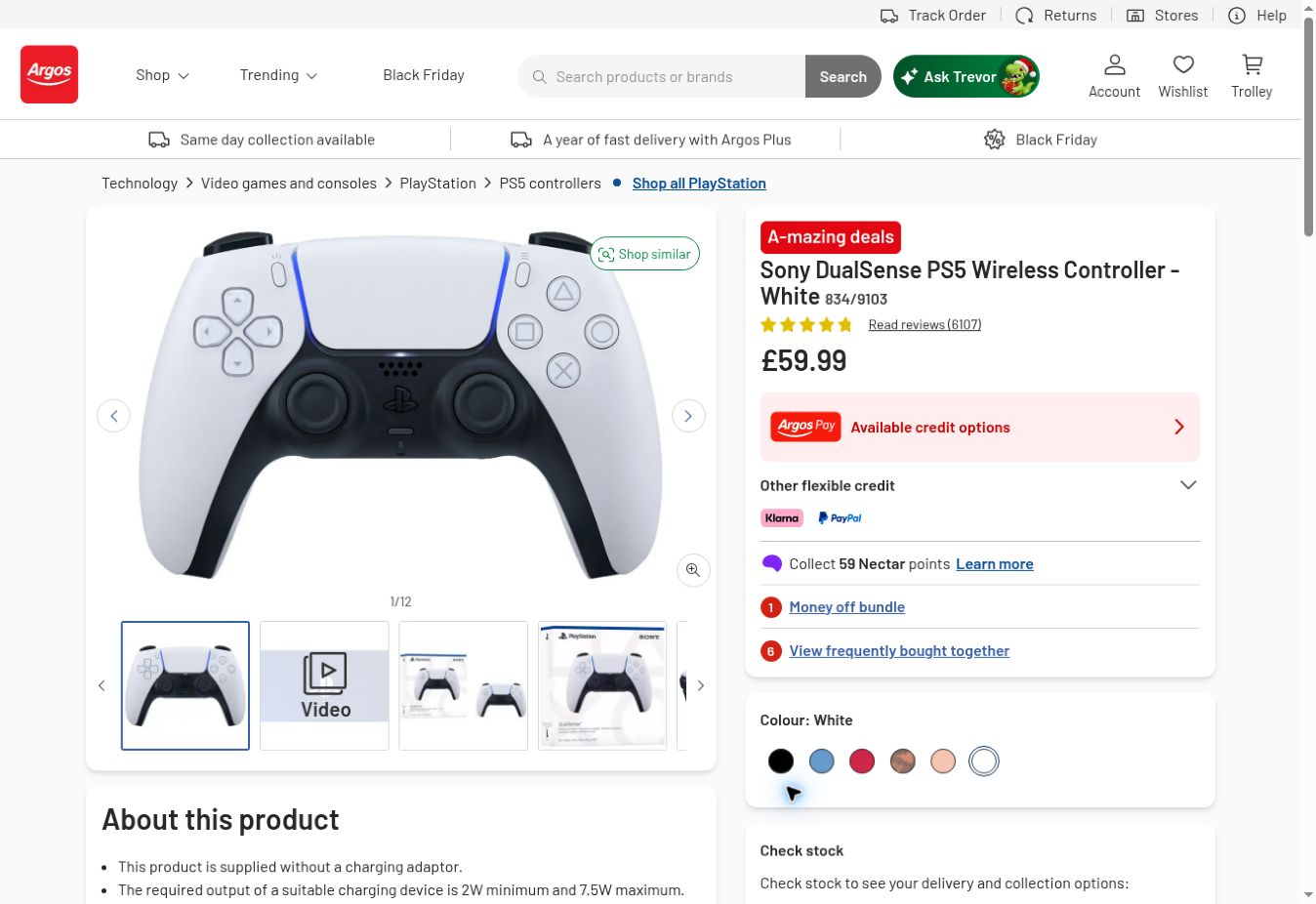
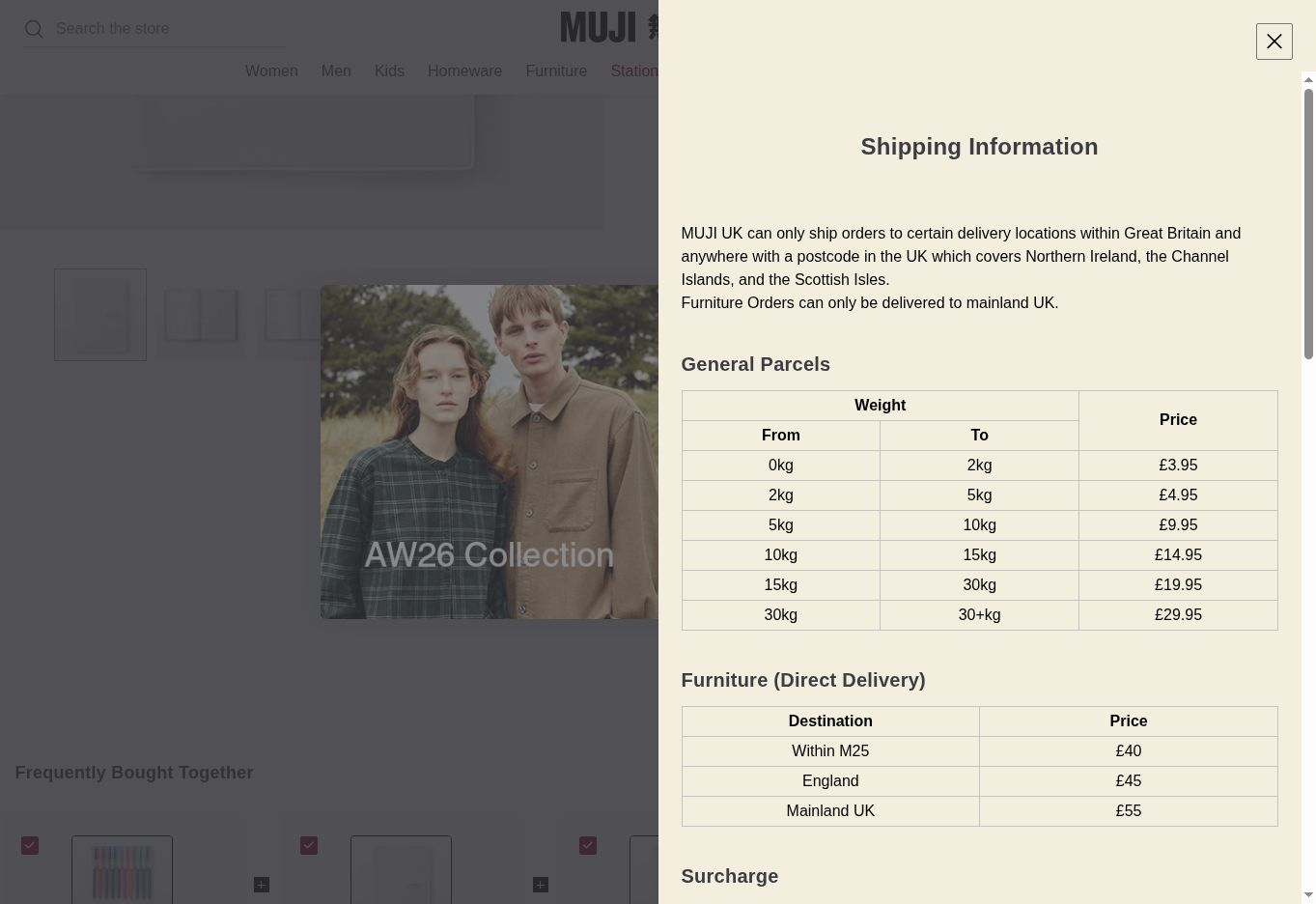
Stores spend months on the homepage and barely touch the checkout, when the checkout is where the money leaks out. Delivery costs that only appear on the last step, forced account creation, a discount code field that sends people off to search for codes and never come back, product photos that don't show how big the thing actually is.
None of it is glamorous, and fixing it rarely needs a redesign. It mostly needs someone willing to watch five customers use the site and write down where they hesitate.
Why does good design matter so much to a store's bottom line?
Baymard Institute's long-running research puts the average cart abandonment rate at around 70%, and unexpected extra costs at checkout come up again and again as the top reason people give.
That's as much a design problem as a pricing one. The same delivery charge feels fair when it's on the product page and feels like a trick when it turns up on the final screen. Good e-commerce design is mostly about trust: people should know what they're getting, what it costs and what happens after they pay. When a store gets that right, customers stop second-guessing, and fewer of them leave halfway through.
How is AI changing the way people shop and spend?
The biggest change is where shopping starts.
More people now ask ChatGPT, Gemini or Perplexity something like "best running shoes for flat feet under $100" before they ever see a search results page, so they arrive at a store with a shortlist already made. OpenAI went a step further in September 2025 with Instant Checkout, which lets people in the US buy from Etsy sellers without leaving ChatGPT, with Shopify merchants announced to follow.
Our hunch, and it is a hunch, is that AI makes shoppers more decisive and less loyal. They compare faster, they trust the summary, and they're happy to buy from a store they've never heard of if the recommendation sounds right.
If an AI is doing the browsing, does a store's design still matter?
More than ever, because a store now has two audiences. The AI needs clean, accurate product information to work with: proper titles, specs, sizes, stock levels and honest reviews, since that's what it reads when it decides what to recommend. The person still needs to trust what they see when they click through, and they tend to arrive more skeptical, because they're checking whether the store matches what the chatbot told them.
If the product page contradicts the summary, they leave. A lot of the work now is making sure every page holds up under scrutiny, whether a machine or a person is doing the reading.
What's next for feedme.design?
More original breakdowns and more data. We're working on teardowns of real store checkouts, research into how shoppers use AI assistants, and more of those pint-style conversations in Insights, gaming included, as long as there's a store involved somewhere.
We'd also like to hear from store owners who want a second pair of eyes on their checkout, so if that's you, email chris@feedme.design.
What to take from feedme.design's story
If you run a store, the most useful point here is also the cheapest to act on: watch a handful of real customers try to buy something, and fix the moments where they hesitate before you touch anything else.
The second is to treat your product information as something an AI will read and summarize, because increasingly it will, and a summary built on vague titles and missing specs won't send anyone your way. If you're thinking about your own store's build, our guide to the best website builders for startups is a good place to start.
You can read more from Chris, Alex and Jo at feedme.design.
Have a story of your own? Share your founder story and we'll feature it