Liam Pingree's CV reads like someone who kept refusing to settle: six months of fund administration in Luxembourg, an exchange year in the American Midwest, three months as a financial analyst in Kigali, and a desk at HSBC in New York pricing derivatives by Bryant Park, until COVID hit about eight months in and he left.
After that came a Greek taverna on Corfu, a debt capital markets startup, customer success roles and a stint as right-hand man to a pensions founder, all of it paying the bills for a side project that started with a video of a man with a bucket on his head.
That side project is Neuronic, which makes at-home helmets that use near-infrared light, sold direct to consumers and through clinics and practitioners.
Liam, who co-founded it with Marvin Schönauer, says it has since done eight figures in revenue, has thousands of customers and a team of more than 30, and puts 100% of its profits back into the business. We asked him about the unglamorous early years, how clinics and word of mouth did the heavy lifting, and why he wouldn't change any of it.
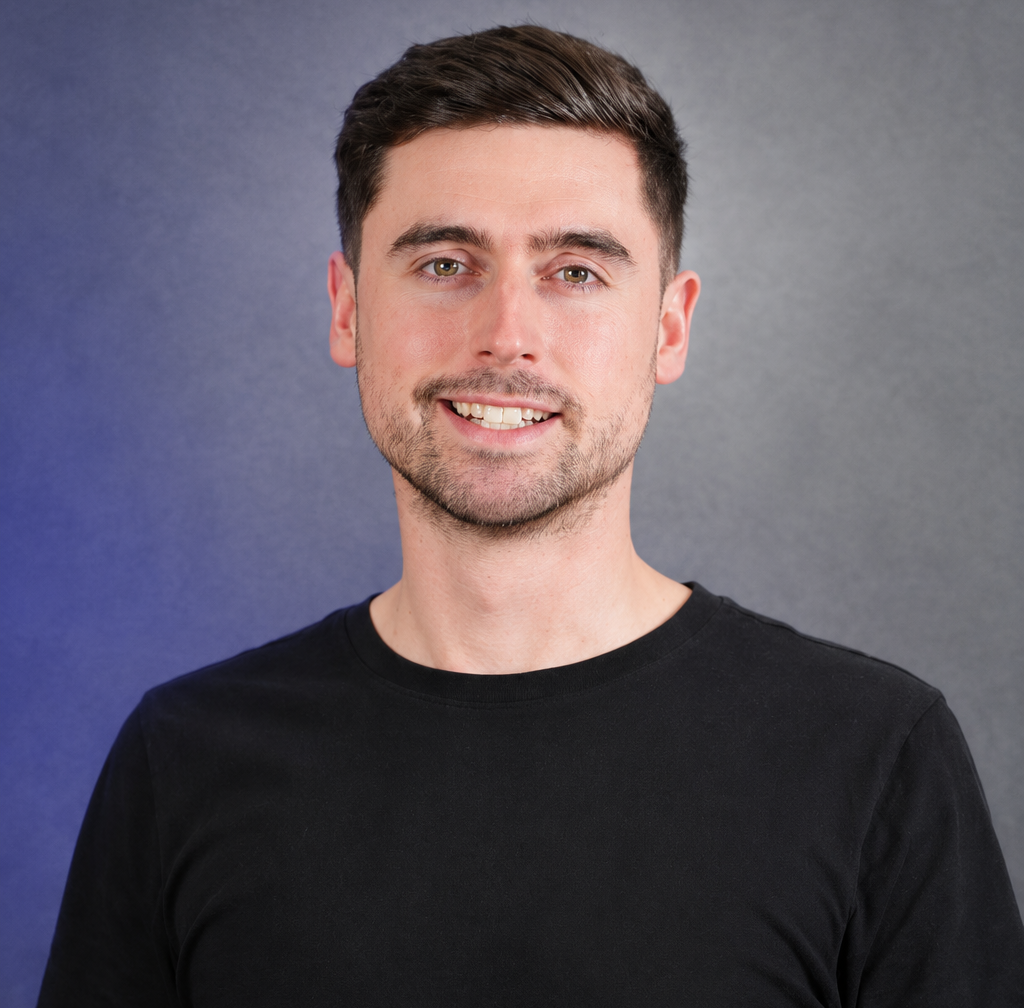
Who are you, and what are you building?
I'm Liam, co-founder of Neuronic. We make at-home helmets that use near-infrared light to support brain health and mental performance. I grew up in Tipperary and studied in Galway.
During my degree I did an international year: six months in Luxembourg doing fund administration, then studying in the Fargo-Moorhead area in the US, where I met my co-founder. I then spent three months in Kigali, Rwanda, as a financial analyst for an off-grid solar company. After graduating, and apart from startups, my first job was at HSBC in New York, pricing risk on derivatives in an office by Bryant Park.
About eight months in, COVID hit and I left. Neuronic started as a side project after that. For years I paid the bills with other work while building it: waiting tables at a Greek taverna on Corfu, working at a debt capital markets startup, doing customer success roles, and working as right-hand man to a founder in the pensions space.
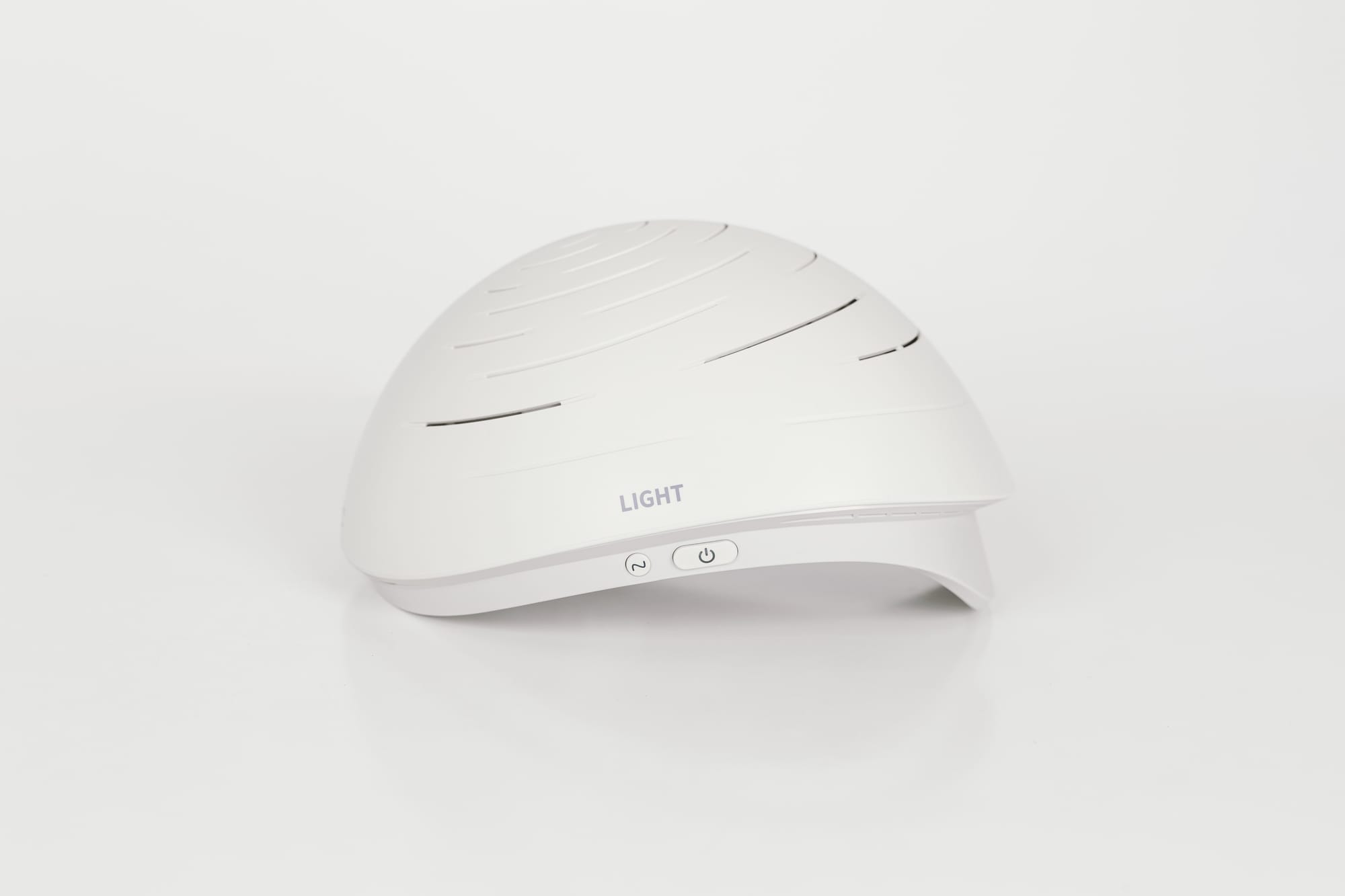
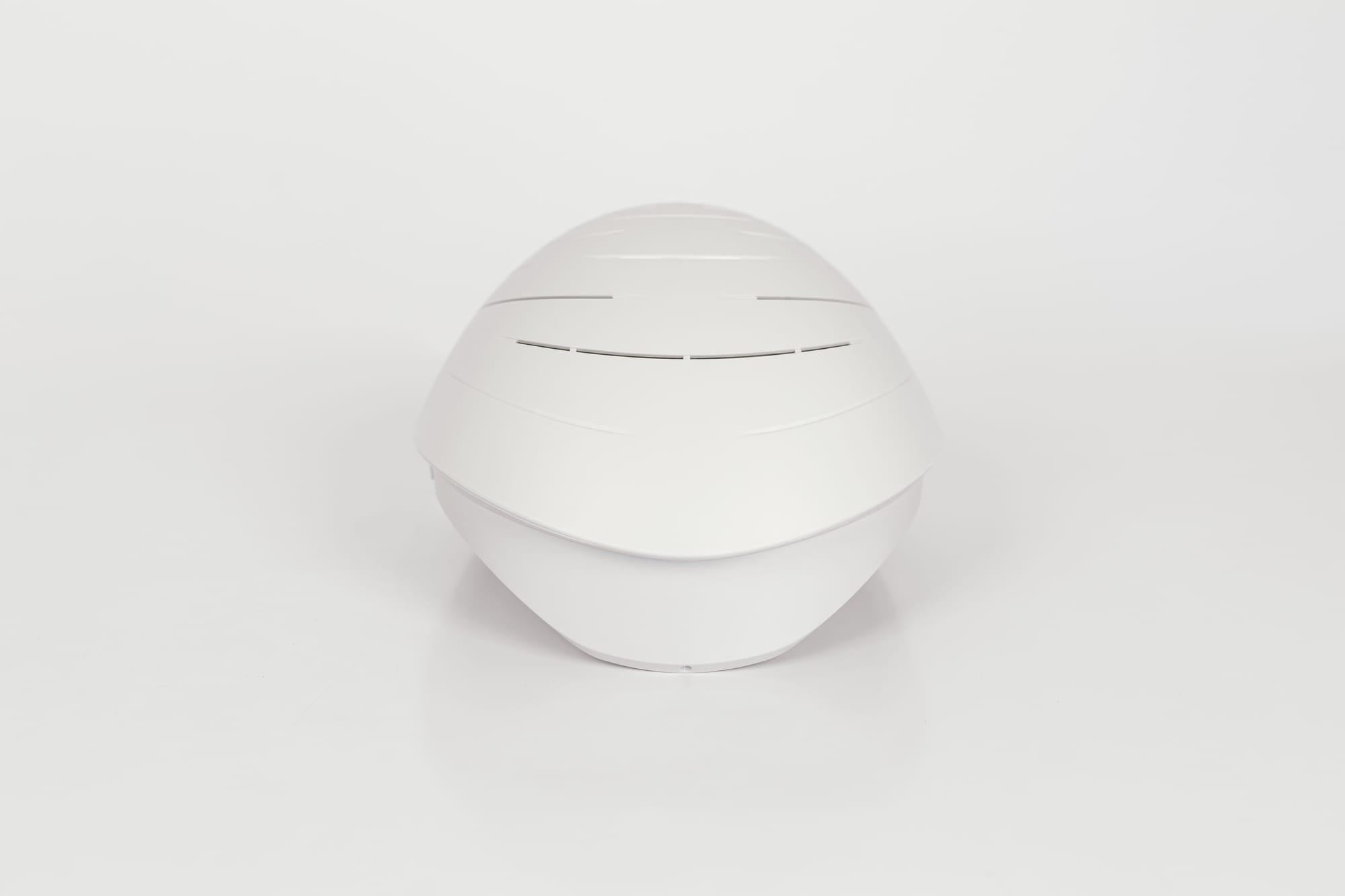
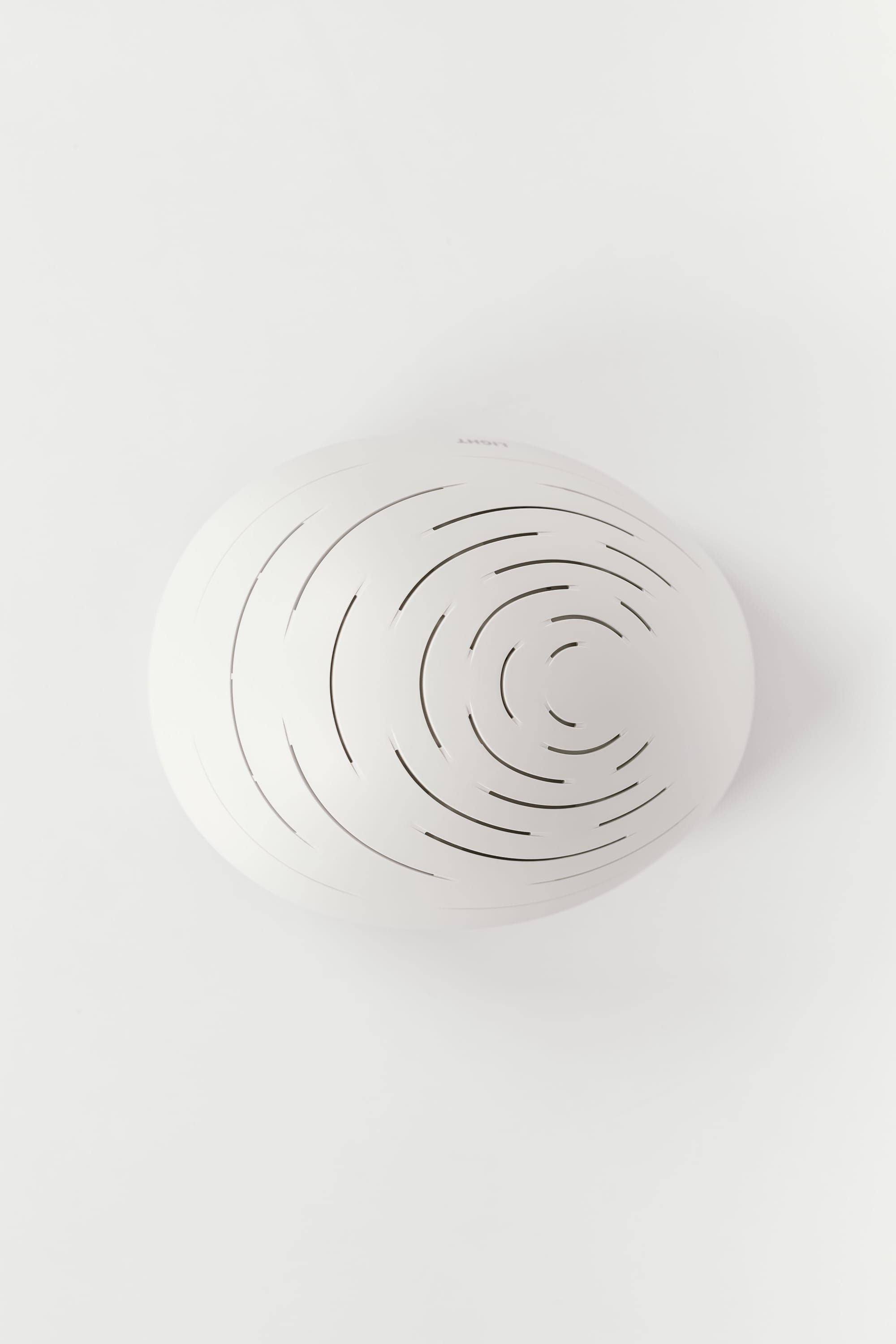
Neuronic LIGHT helmet, the company's latest device, launched March 2025. Image: Neuronic
Where did the idea come from, and what tipped you into actually building it?
In 2017 I saw Bryan Johnson speak at Web Summit. His question was why we measure every part of the body except the brain. That question stayed with me. A few years later I saw a video of a man with what looked like a bucket on his head, lined with near-infrared lights, saying it had helped him.
I didn't believe it, so I started reading the research, and there was far more behind it than I expected. What tipped me into building was a simple question: why wasn't there a well-made version people could actually use at home every day?
What did shipping the first version actually take?
We sold our first unit in 2022. Then it was a couple of months before the second sale came in, and the big question was: will this actually work? We had no budget. Everything was paid out of pocket.
My co-founder, Marvin Schönauer, and I kept costs as low as possible. We didn't take a salary, and we did as much of the work ourselves as we could. We were both working full-time jobs, so this was all on the side.
How did you find your first customers, and what has moved the needle since?
By any means necessary. Clinics that already knew the technology were the logical first step. From there we looked for groups of people interested in the topic, and one thing led to another.
Once people started using the product, it spread by word of mouth, and that has driven a lot of our growth. We've been fortunate to build something people want to tell others about.
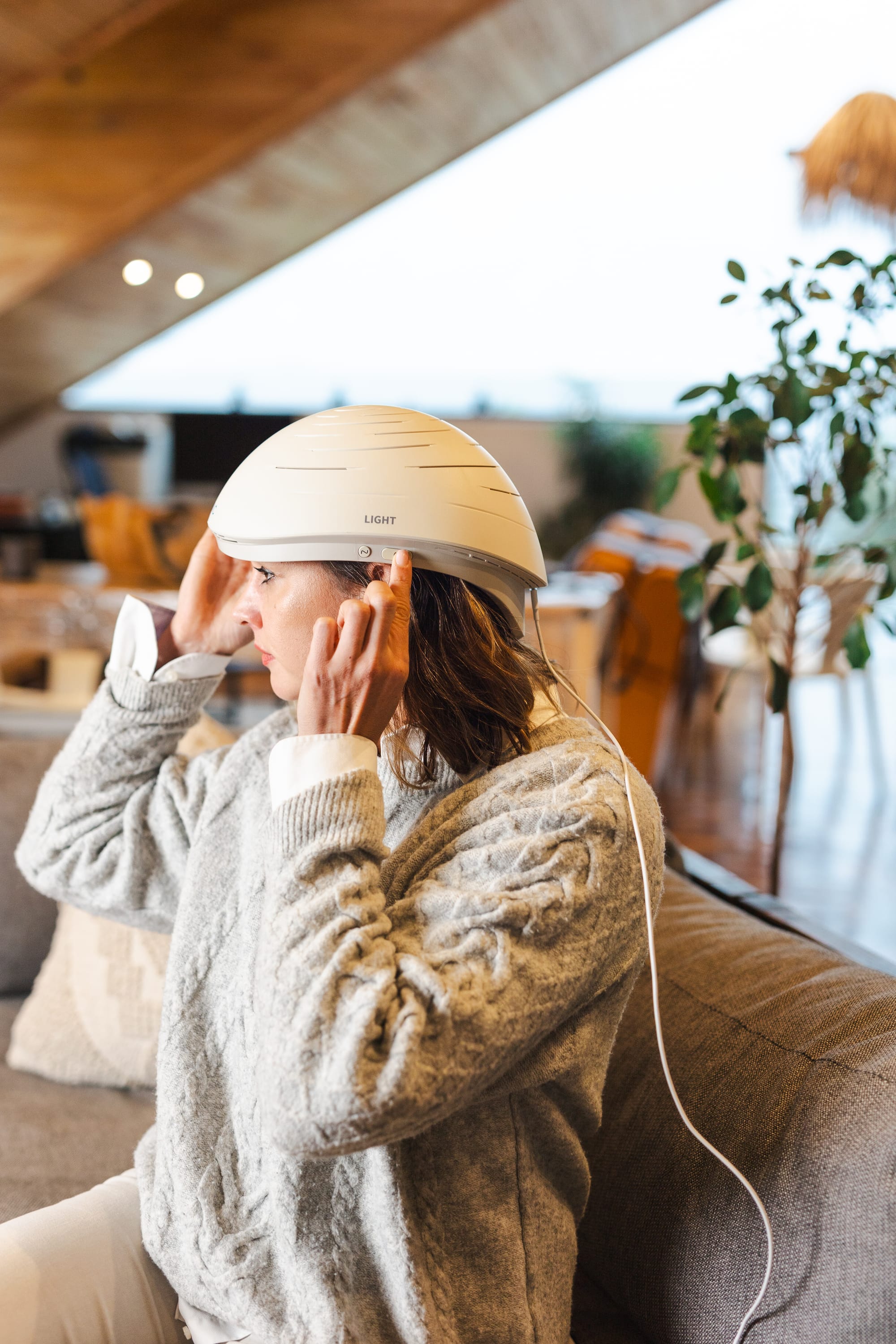
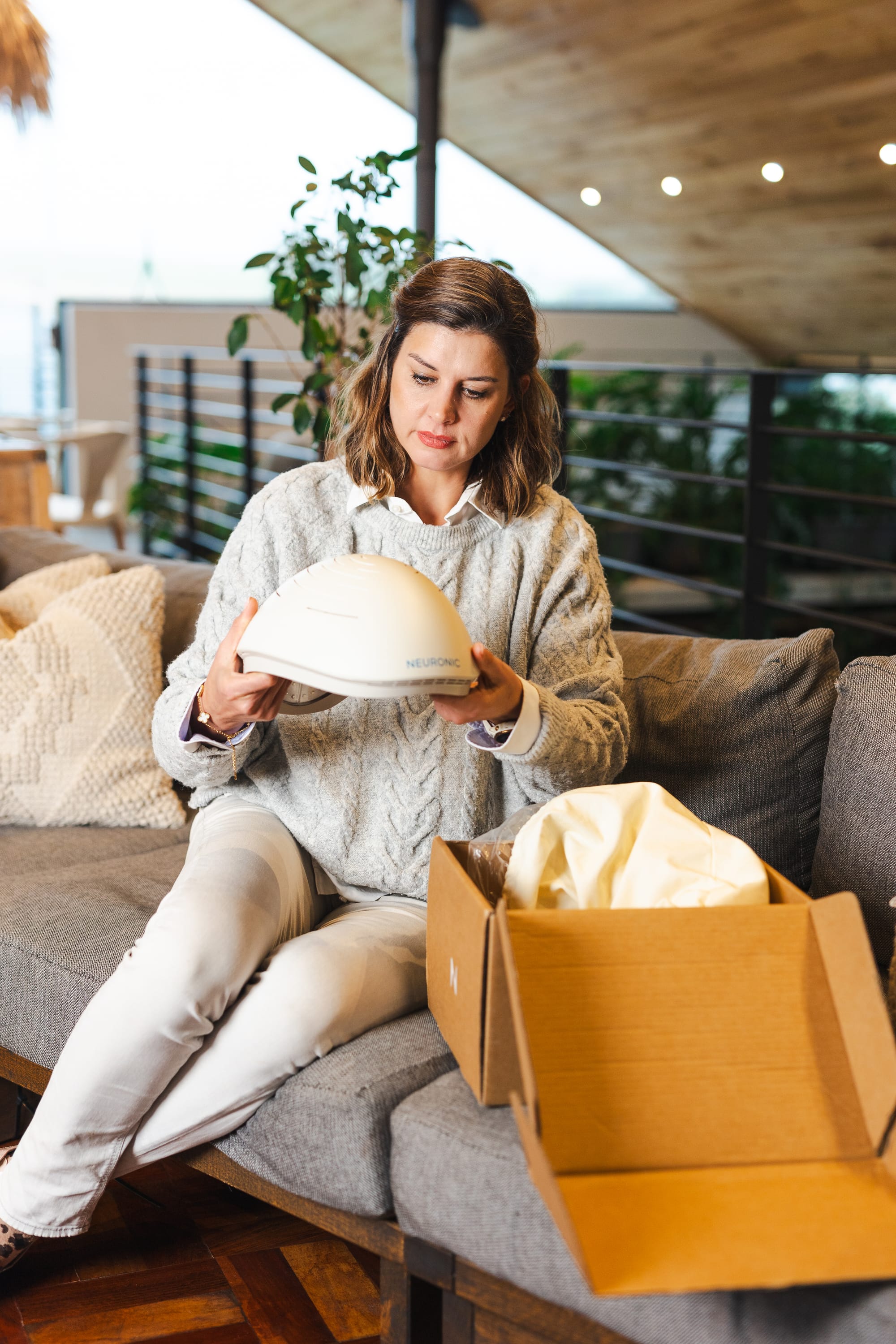
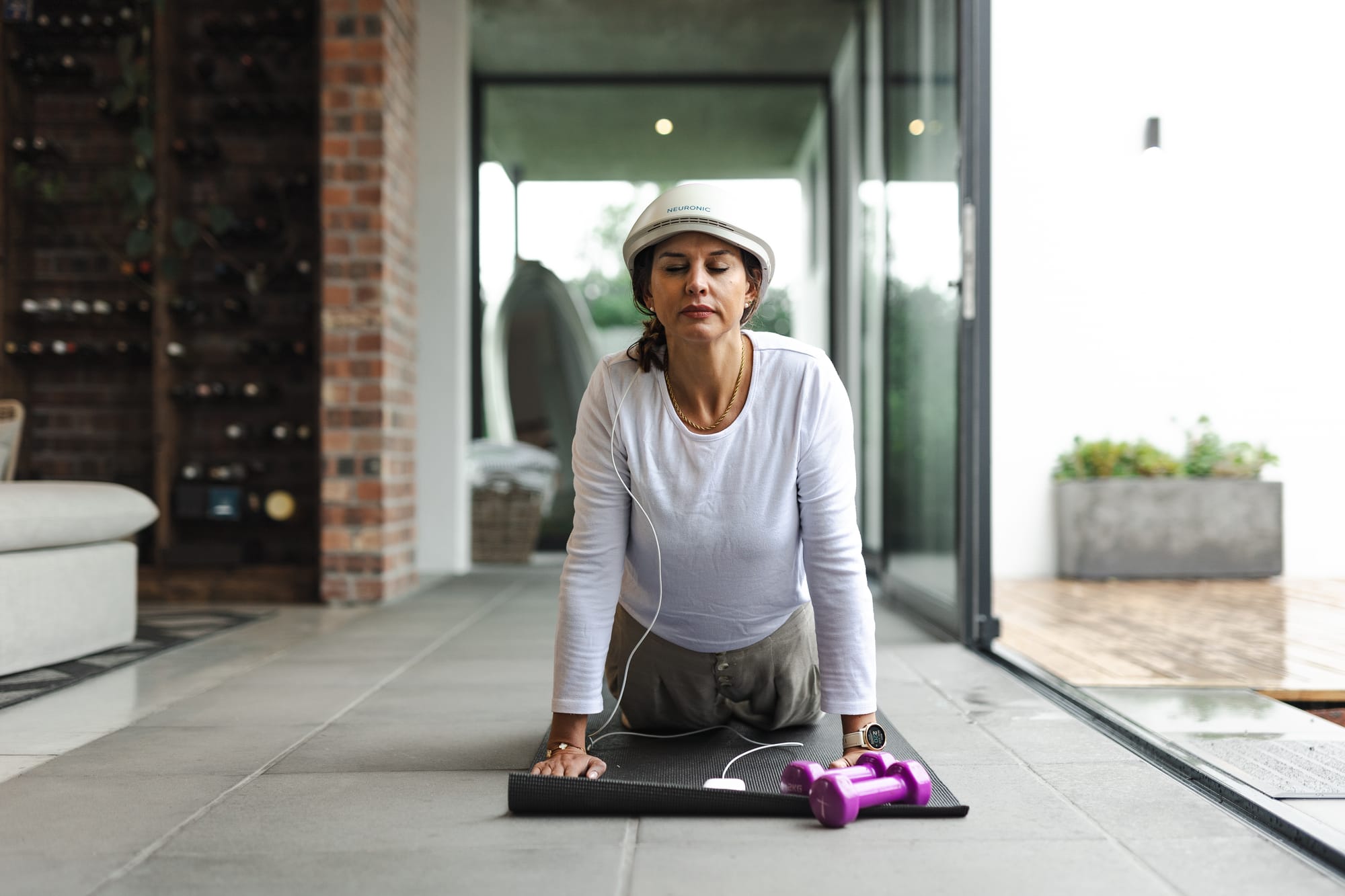
Cardboard box to yoga mat: the daily at-home Neuronic routine
How does the business make money, and where are you now?
We sell hardware, direct to consumers online and through clinics and practitioners. We've done eight figures in revenue since launch, and we reinvest 100% of our profits back into growing the team, research and product development.
We have thousands of customers and a team of over 30 people. Our latest device launched in March 2025, and users have already completed over 450,000 sessions on it.
What has been the hardest part, and what would you do differently?
The hardest part, as with any new business, is the uncertainty that it might not work out. When revenue is down, the pressure to make things work is extreme, and that leads to a lot of sleepless nights.
It's a mental drain. You also lose a part of yourself, because everything goes into building the company and less into your own personal growth. That's a big change from working at someone else's company.
I don't think I'd do anything differently. It's easy to look back and say you'd change X, Y and Z, but you don't have that knowledge the first time. You never do something for the first time the way you'd do it the second time, because the experience is what teaches you.
Which founders do you watch, and what's next?
In college I wasn't sure what career I wanted. Then I heard Warren Buffett say not to focus on the career you want but on the life you want: is there anyone living a life you'd really like to live? For me that was Richard Branson.
After reading his book, I saw that he still has fun, runs business meetings from his own island, talks to people all over the world and keeps starting new ventures. That's the life I want: using my time to meet people and build new companies, because I find it fun. I can't imagine doing anything else.
I've also watched what Elon Musk has built in his lifetime. The scale is outstanding, but it clearly takes a huge personal toll.
What's next? I hope we keep growing the team, keep getting our helmets out into the world, and keep making people's lives better. Some of the reviews we get are heartwarming. Not everyone can say that about their job, so it's special to be part of something bigger than ourselves.
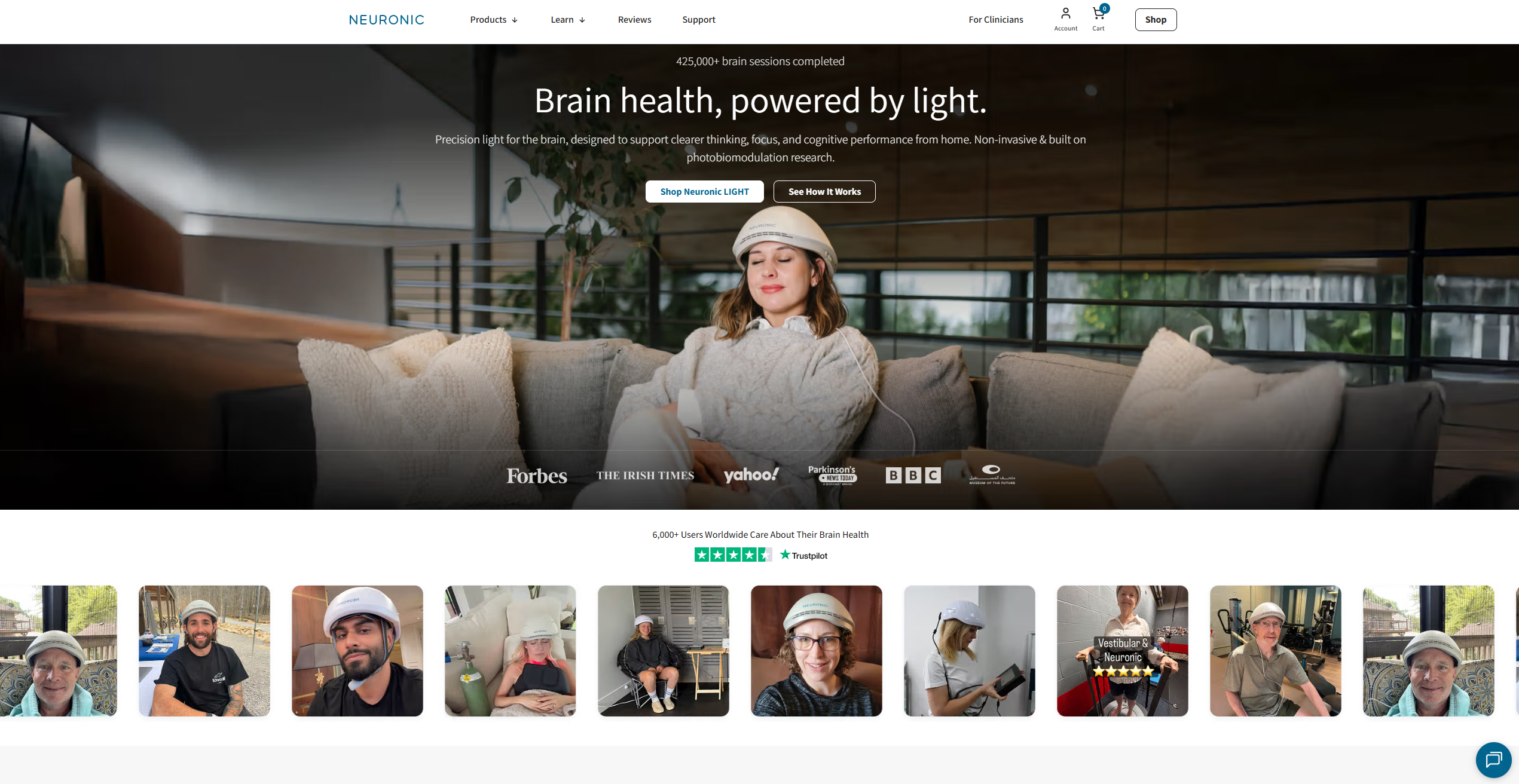
Website: neuronic.com
Neuronic's descriptions of its products and their effects are the company's own, and this interview isn't medical advice.