Most articles about ElevenLabs tell you the same thing: the voices sound great, podcasters love it, and you can clone your own voice in minutes. Fine. All true.
But if you're a founder, that framing misses the point.
The interesting question isn't whether ElevenLabs can replace a voice actor. It's whether AI voice unlocks things in your business that were previously too expensive, too slow, or too technical to bother with.
The answer, as it turns out, is yes — and most of the winning use cases have nothing to do with making a podcast.
Here are five ways founders are actually using it in 2026.
Quick Context: What ElevenLabs Actually Does
Before the use cases, a two-paragraph refresher so this article makes sense on its own.
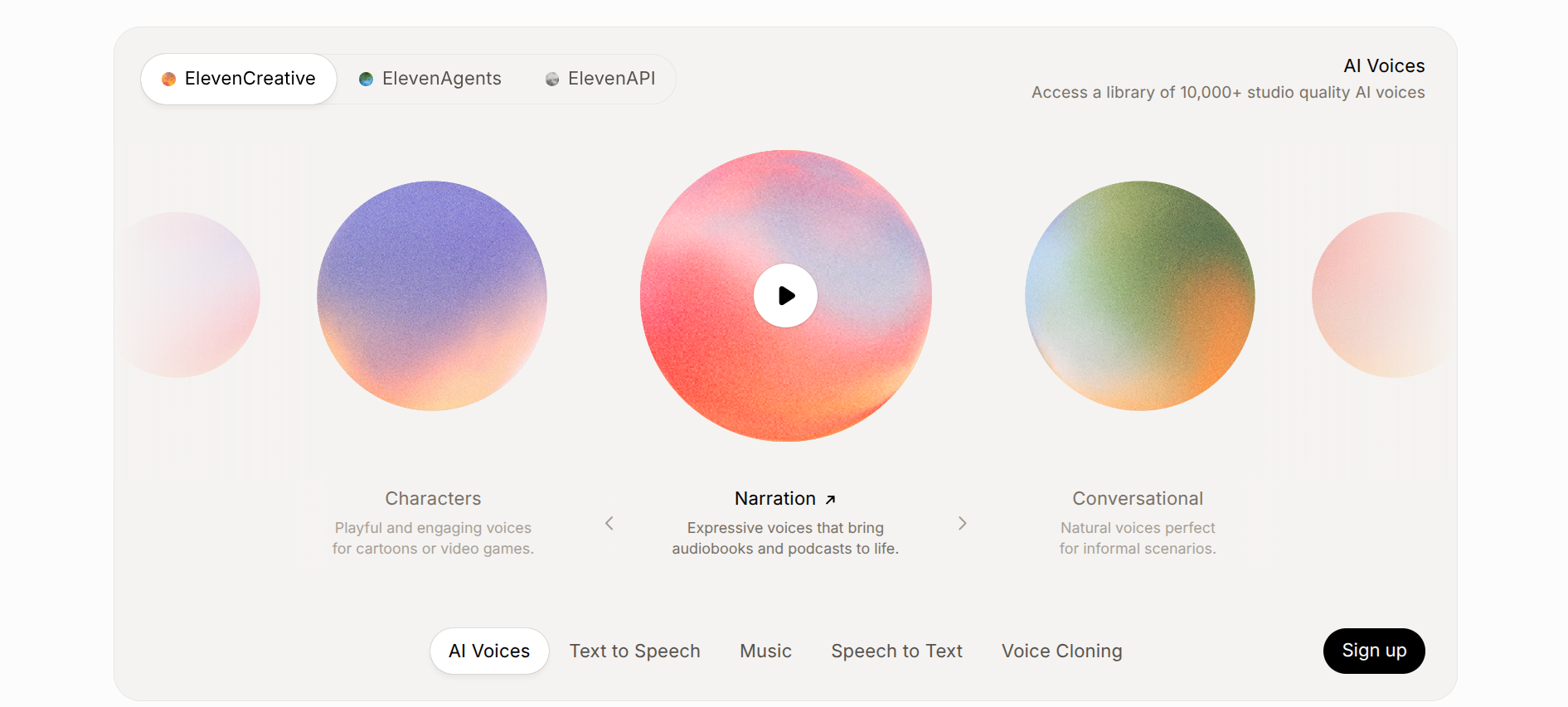
ElevenLabs is an AI voice platform. At its core, it takes text and generates speech that sounds close to human, in over 70 languages, at a latency fast enough to power real-time voice agents. You can use stock voices, clone your own, or build multi-character conversations.
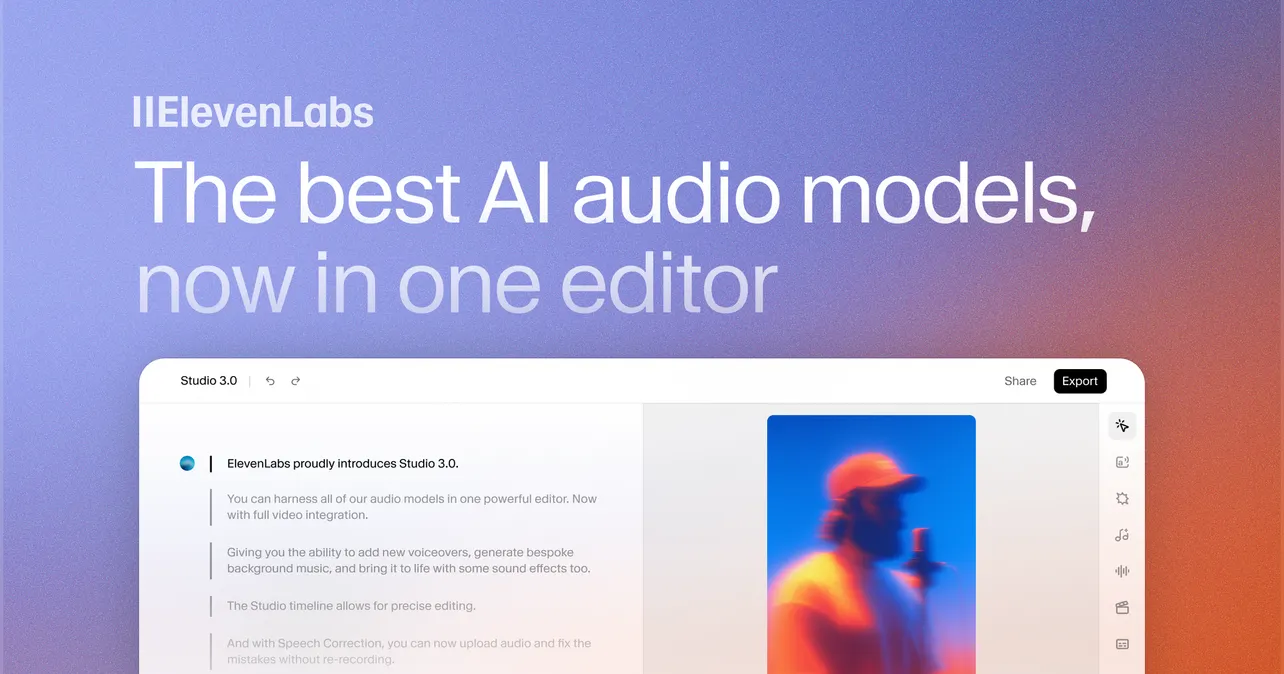
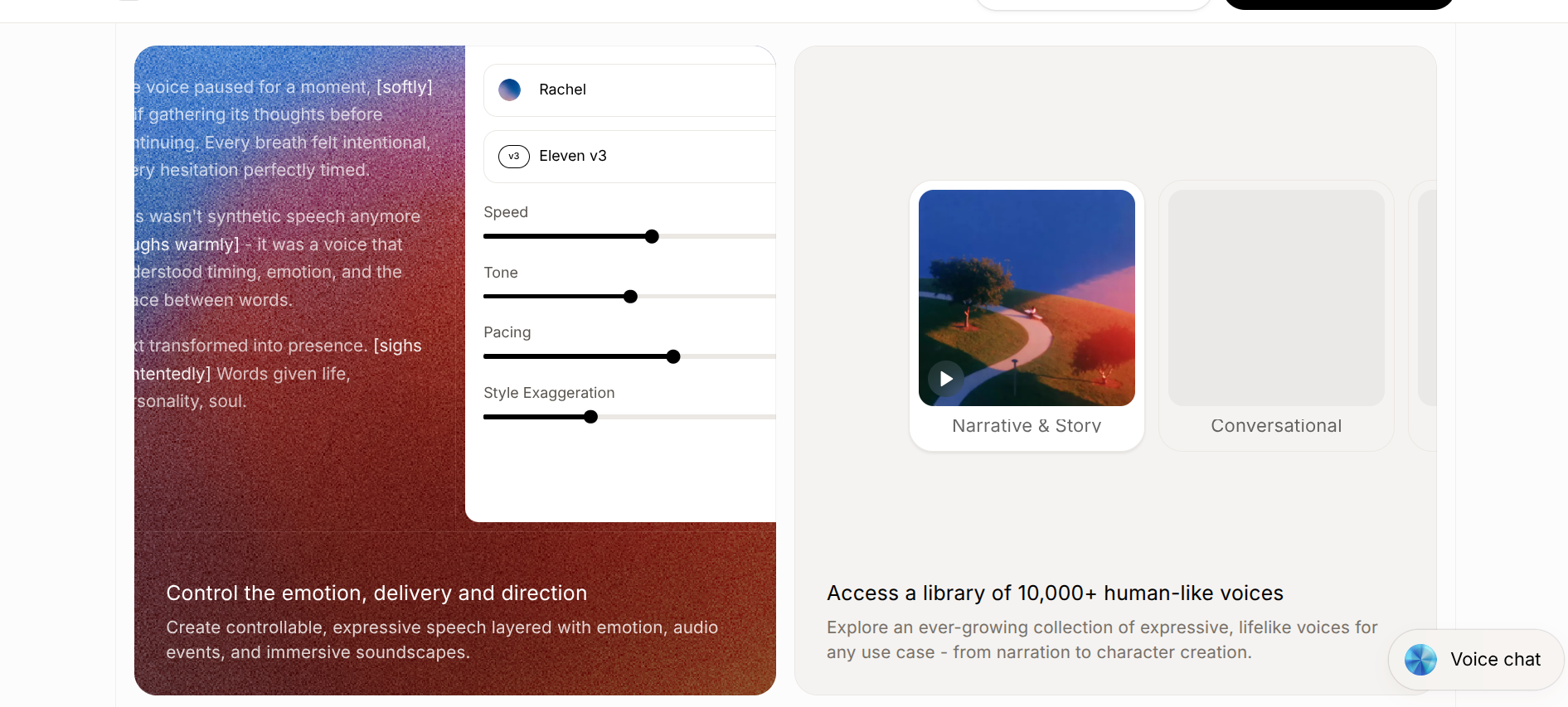
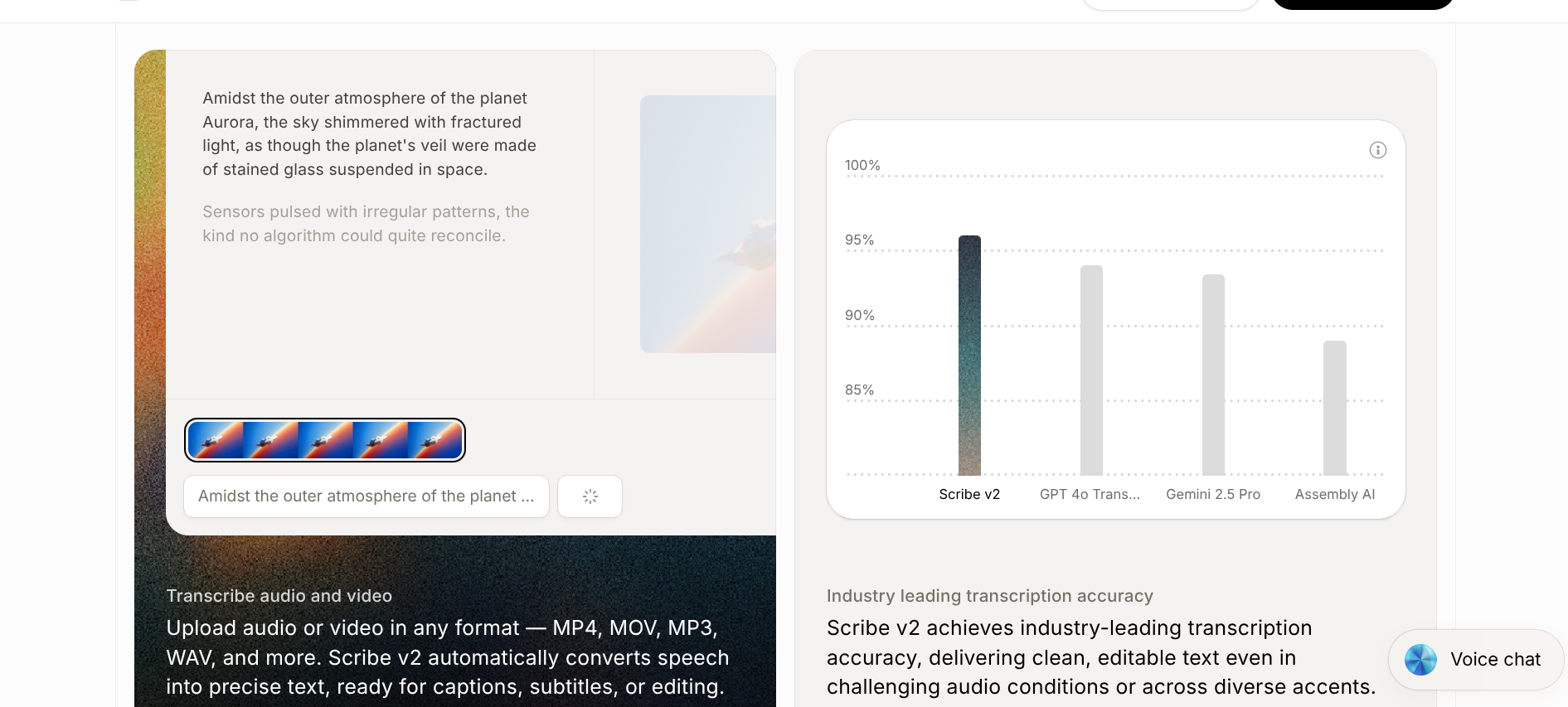
On top of text-to-speech, the platform now includes Conversational AI (voice agents that can hold a phone call), Scribe (speech-to-text), and a Reader app. For founders, the interesting shift over the past 18 months has been the move from "AI voice as a content tool" to "AI voice as infrastructure."
Use Case 1: A Voice Agent on Your Support Line
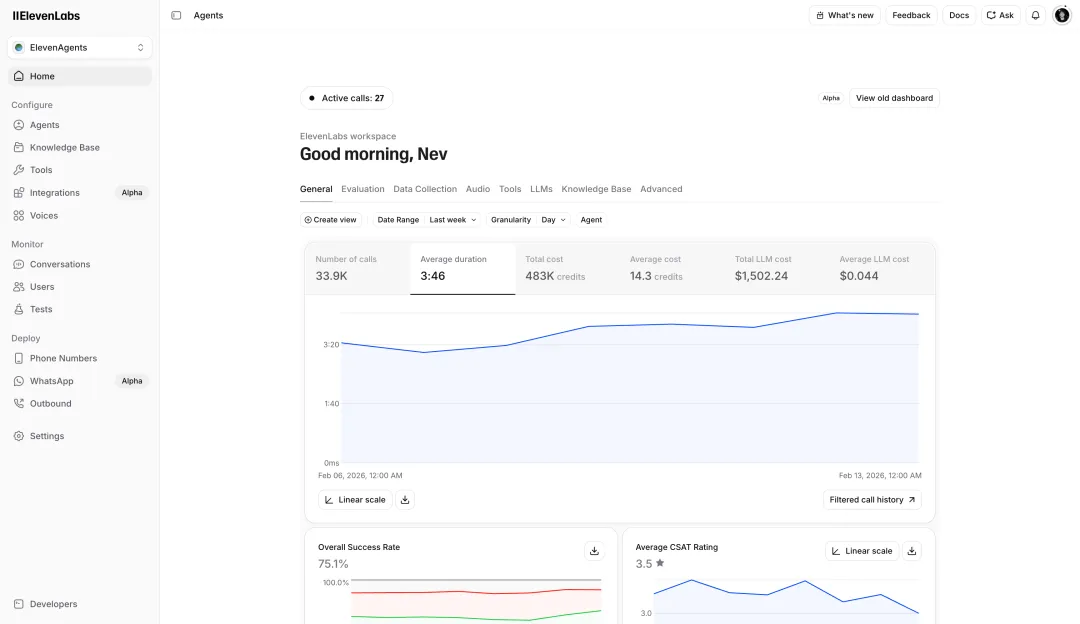
This is the big one. If you've ever looked at Zendesk pricing and quietly died inside, ElevenLabs' Conversational AI is worth a serious look.
You can build a voice agent that answers your support number, handles the routine 60 to 70 percent of calls (order status, password resets, business hours, booking changes), and escalates anything complex to a human. The agent runs in over 70 languages, plugs into your CRM and calendar, and costs a fraction of a full-time support hire.
For a solo founder or early team, this is the difference between taking customer calls personally at 9pm on a Tuesday and having a system that handles the first line while you sleep.
A few things worth knowing before you dive in:
The voice quality on Conversational AI is genuinely good. Customers can tell it's an agent within a few seconds, but it doesn't feel like the old robotic phone trees. Latency is under a second, which is the threshold where conversations start to feel natural rather than stilted.
The credit maths is different from text-to-speech. Voice agent time burns roughly 10,000 credits per 10 minutes of high-quality conversation. On the Creator plan (100,000 credits per month), that's around 100 minutes of agent time. Fine for low-volume support, but if you're running anything at scale you'll want to model the usage carefully before committing.
Use Case 2: Localised Marketing Content Without Hiring Voice Actors
If you're selling into more than one country, this is where ElevenLabs quietly pays for itself.
Translating your marketing videos or ad creative used to mean either hiring native-speaker voice actors for every language (slow, expensive, painful to coordinate) or accepting that your Spanish, German, and French markets got worse-quality content than your English one.
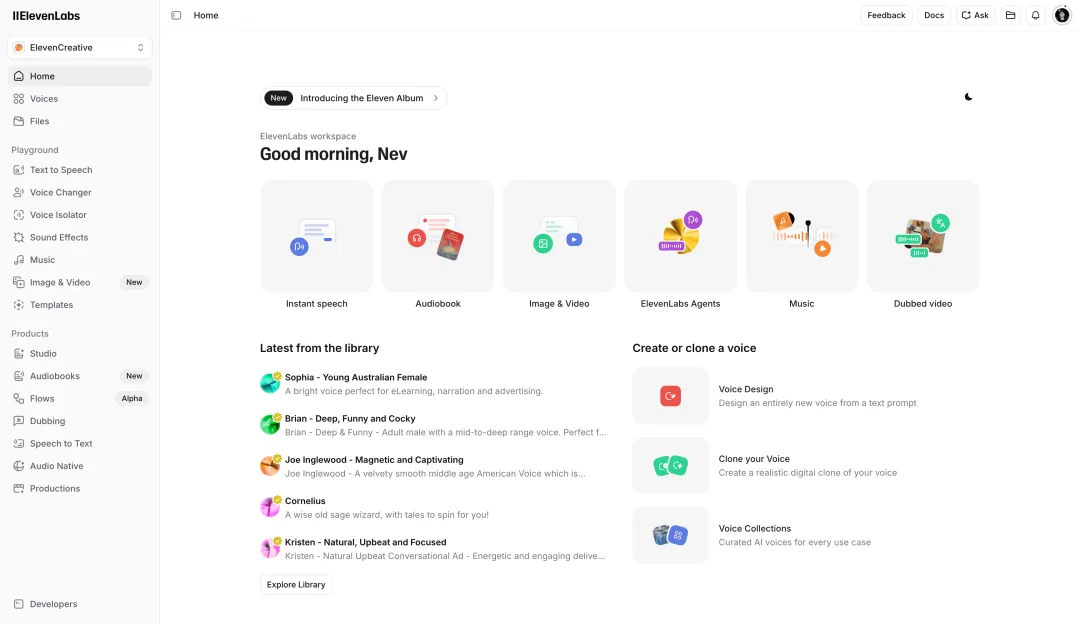
ElevenLabs collapses that. Write your script once, generate it in the languages you need, and you've got natively-voiced versions ready to drop into video editing. The voice cloning feature means you can even keep the same "brand voice" across every language, which is something even well-funded companies couldn't do reliably two years ago.
The practical workflow most founders use: record one voice sample (or use a stock voice), generate every language variant from that base, and maintain consistency across your YouTube ads, website hero videos, and onboarding content.
Use Case 3: Product Demo Voiceovers You'll Actually Update
Here's a pattern every founder recognises. You record a product demo video. It's fine for six months. Then the UI changes, the feature names shift, the pricing updates. Now your demo video is lying to prospects, but re-recording it feels like too much effort, so it stays up for another six months.
AI voice breaks that cycle.
When the script lives as text rather than a recording, updating the demo means editing a document and regenerating the voiceover. Screen recording and voice track can be updated independently. The whole thing goes from a half-day project involving microphones and retakes to a 20-minute turnaround.
The quality trade-off is minimal. For product demos specifically, where clarity matters more than emotional range, ElevenLabs voices are indistinguishable from a competent voice actor to most listeners. The people who'd notice aren't watching your demo video.
Use Case 4: Audio Versions of Your Best Content
If you write a newsletter, run a blog, or publish long-form content, audio versions are one of the highest-leverage additions you can make. They push engagement time up, give readers a second way to consume your content, and open up a distribution channel (Spotify, Apple Podcasts) that most content sites ignore.
The problem has always been cost. Recording a 2,000-word article yourself takes maybe 30 minutes, then another 30 to edit. For a weekly newsletter, that's an hour a week of work that doesn't scale. Hiring it out costs more than the newsletter earns in most cases.
ElevenLabs turns that calculation on its head. Paste the article in, pick a voice, generate, upload. Total workflow: around 10 minutes per piece. The voice stays consistent issue to issue, which builds listener familiarity the same way a podcast host does.
A tactical note: for long-form content, the Multilingual v2 model sounds warmer but burns credits faster. The Flash model is half the cost per character and fine for informational content. Most founders doing audio versions of blog posts default to Flash and reserve the premium model for paid content or flagship pieces.
Use Case 5: Onboarding Flows That Feel Human
This one's less obvious, but the founders using it are seeing outsized impact.
Most SaaS onboarding flows are text-heavy. Modal popups, tooltips, welcome emails, a product tour that people skip. It works, but it's flat. Adding a short voice welcome, or a voice-guided walkthrough of the first use case, changes the texture of the experience meaningfully.
This isn't about sounding fancy.
It's about the fact that voice carries emotional information text can't. A 30-second voice welcome from the founder (cloned or genuine) inside the app shifts the relationship from "I signed up for a tool" to "I'm using something a person built for me."
Product teams at larger companies have quietly been using ElevenLabs for this for a while: voice-based user research flows, in-app voice guidance, multi-language onboarding that adapts to the user's locale automatically. For smaller founders, the barrier has mostly been time rather than cost, and the 10-minute generation workflow removes most of that.
ElevenLabs Pricing: What You'll Actually Pay
Which plan you need depends almost entirely on which of the five use cases you're chasing. Here's the quick version:
Best for most founders: the Creator plan at around $22/month covers audio versions of content, localised marketing, and onboarding voiceovers comfortably. If you're building a support voice agent at any volume, you'll want to model usage carefully — voice agent time burns credits significantly faster than text-to-speech.
What to Watch Out For
A few honest caveats before you commit:
Credit Consumption for Voice Agents is Unpredictable
The 10,000-credits-per-10-minutes rule of thumb is a starting point, not a guarantee. Complex agent workflows with tool calls, CRM lookups, and multi-turn conversations can burn through credits faster. Run a week on a lower tier before upgrading.
Voice Cloning Quality Varies by Input
Instant Voice Cloning (available from Starter) is fine for content but noticeably synthetic on longer pieces. Professional Voice Cloning (Creator plan and up) uses longer training samples and sounds closer to the original speaker. If you're cloning your own voice for onboarding or brand consistency, the upgrade is worth it.
The Free Tier isn't Built for Production
10,000 credits is enough to test voice quality and run a few experiments, but it's deliberately limited. It also doesn't include commercial rights, so anything you publish from the free tier technically needs attribution. The Starter plan at $5 is where real work starts.
ElevenLabs stopped being "the voice cloning tool" a while ago. What it is now, for founders specifically, is voice infrastructure: a way to add a dimension to your product, your content, and your support that was previously only available to teams with budget for voice actors and localisation agencies.
The five use cases above are the ones actually paying back for founders in 2026. Support agents for tools that can't afford a Zendesk deployment. Localised marketing without a translation agency. Demo videos that stay current because they're text, not tape. Audio versions of content that take 10 minutes rather than an hour. Onboarding flows that feel like a person built them.
Start with the Free tier, pick the one use case most relevant to where your business is stuck, and run it for a week. The right plan will be obvious from your credit usage by day five.
Frequently Asked Questions
What is ElevenLabs used for?
ElevenLabs is used for AI voice generation, voice cloning, and building conversational voice agents. Common founder use cases include customer support automation, localised marketing content, product demo voiceovers, audio versions of written content, and voice-guided onboarding flows.
Does ElevenLabs have a free plan?
Yes. The free tier includes around 10,000 credits per month (roughly 10 minutes of generated audio) with no credit card required. It's enough to test voice quality and run small experiments, but doesn't include commercial rights and isn't built for production use.
How much does ElevenLabs cost?
ElevenLabs plans start from around $5/month for the Starter tier and scale up to $330/month for Scale. The Creator plan at around $22/month is the most popular entry point for founders, offering 100,000 credits and professional voice cloning. Check the ElevenLabs pricing page for current plan details.
Can I use ElevenLabs for a customer support phone line?
Yes. ElevenLabs' Conversational AI product lets you build voice agents that handle inbound and outbound calls, integrate with CRMs and calendars, and operate in 70+ languages. Voice agent time burns credits faster than standard text-to-speech, so usage modelling matters before committing to a plan.
What's the difference between Instant Voice Cloning and Professional Voice Cloning?
Instant Voice Cloning (available from the Starter plan) creates a voice clone from a short sample in minutes. It's fine for content but can sound synthetic on longer pieces. Professional Voice Cloning (Creator plan and up) uses longer training samples and produces a hyper-realistic digital twin of your voice, suitable for brand-critical use cases.
Disclosure: Some links in this article are affiliate links. If you sign up through them, we may earn a commission at no extra cost to you. We only recommend tools we've actually tested and believe are worth using.
For more on building your startup's AI stack, see our Lindy AI Review 2026 and Best AI Automation Tools for Startups in 2026.