


A spreadsheet works right up until it doesn't. Land your third client, send an invoice past midnight, or hit your first quarterly tax deadline, and the DIY approach starts costing you real money in missed deductions and late-payment chases.
Good accounting software fixes that quietly in the background. It sends the invoices, nags the clients so you don't have to, tracks every deductible expense, and turns tax season from a two-week panic into an afternoon. For a freelancer, the right tool costs less than an hour of an accountant's time and saves you many.
We compared the main options for 2026 on the things that actually matter to a one-person operation: invoicing, expense tracking, tax prep, ease of use, and what you truly pay once processing fees are counted.
Here are the picks, and how to choose between them.
The quick answer
If you want the short version before the detail: Wave is the best free choice for freelancers just starting out.
FreshBooks is the best pick if you invoice clients regularly and want it to look polished. QuickBooks is the one to grow into if you're scaling toward an agency or need serious tax and reporting depth.
UK freelancers should look at FreeAgent or Xero, since Wave no longer operates outside North America.
Now the detail.
Wave: best free option
Best for: New freelancers and solopreneurs who want real accounting at zero monthly cost.
Wave is genuinely free for its core accounting and invoicing, not a crippled trial. You get unlimited invoices, expense tracking, bank reconciliation, and proper double-entry bookkeeping without paying a monthly fee. For a freelancer earning under roughly $80,000 with straightforward income, it's hard to beat at the price.
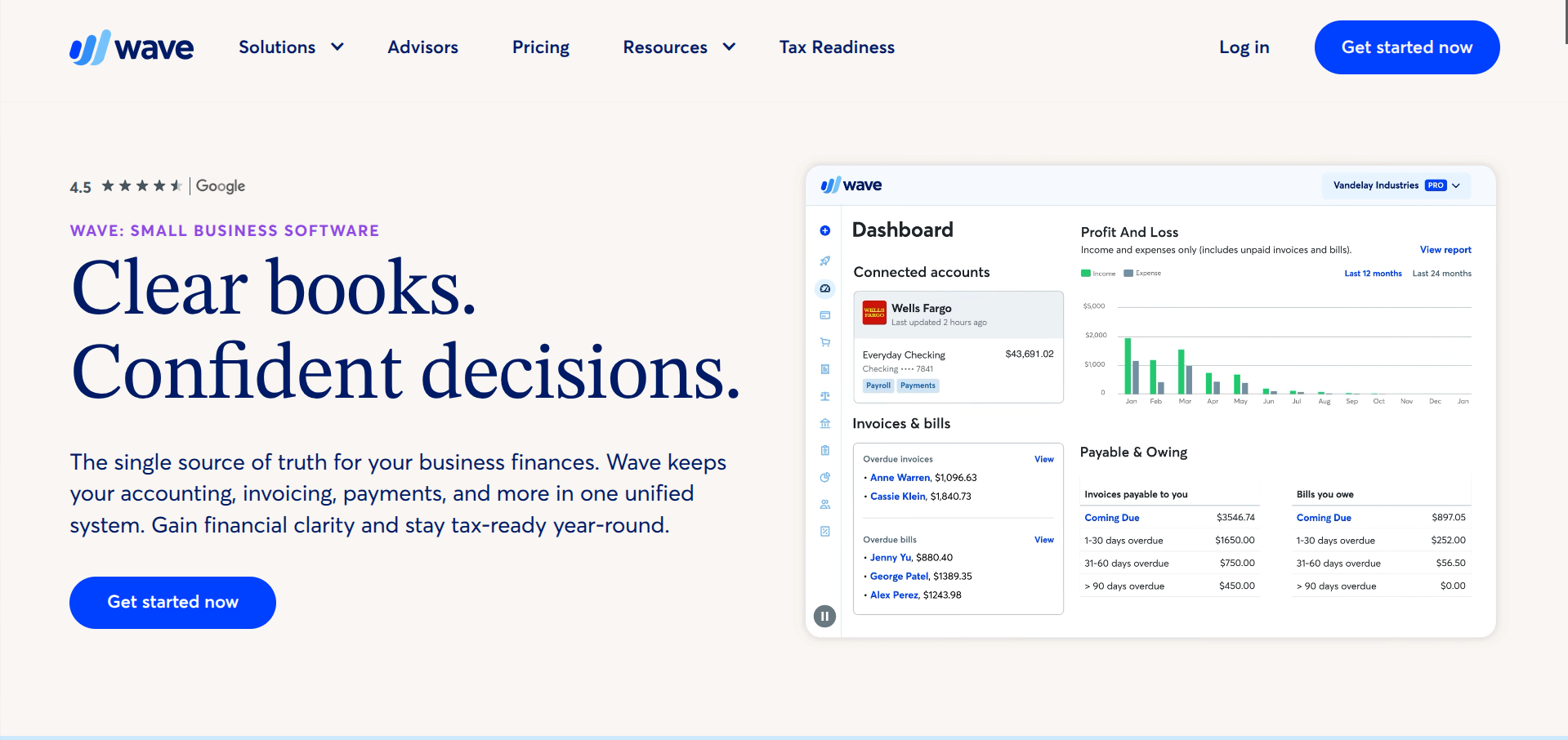
The catch is where the money actually comes from: payment processing. If you use Wave to take card payments, you pay around 2.9% + $0.60 per transaction, so at real invoice volume the "free" tool still costs something. It also won't calculate your quarterly estimated taxes for you, so you'll need a separate calculation or calendar reminders to avoid underpayment penalties.
One important limitation for UK and international readers: Wave is no longer available outside North America. If you're in the UK, skip to FreeAgent or Xero below.
FreshBooks: best for invoicing and client work
Best for: Service freelancers who bill clients by time or project and want a polished, client-facing experience.
FreshBooks started life as invoicing software and it still does that better than anyone. If you're a designer, consultant, writer, or marketer who lives and dies by getting invoices out and paid, this is the one built for you.
Invoicing is clean, proposals and contracts are built in, time tracking flows straight into invoices, and clients get a portal where they can view and pay. The automated payment reminders alone recover real money for anyone who forgets to chase.
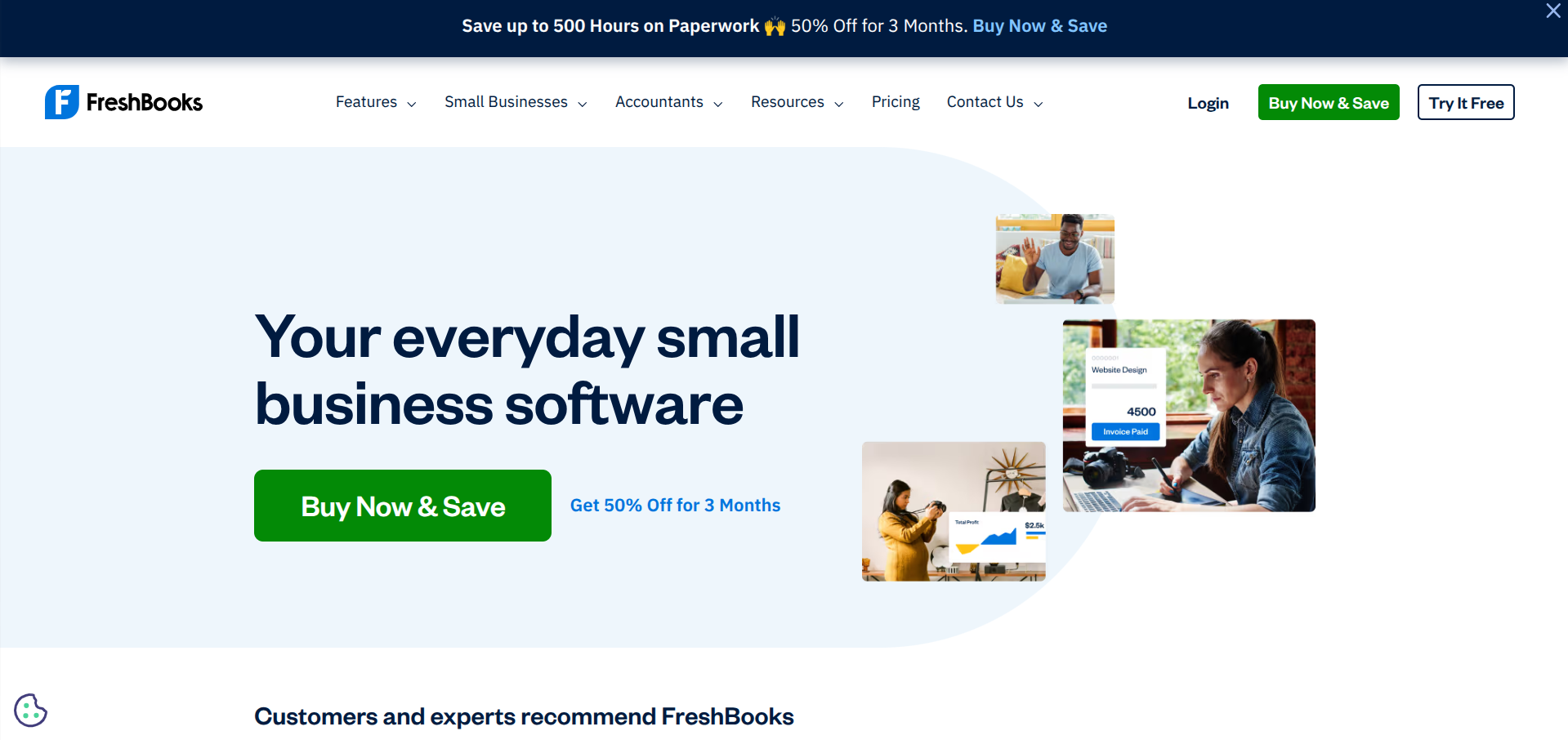
Pricing starts at $19/month for the Lite plan (up to 5 billable clients), scaling to around $33/month (Plus, up to 50 clients) and $60/month (Premium, unlimited). One thing to watch: the entry Lite plan is lighter on double-entry accounting reports, which you'll want come tax time, so budget for Plus if accurate reporting matters.
The trade-off overall is depth. FreshBooks prioritises ease of use over advanced accounting, so it's less suited to inventory-heavy work or complex compliance needs.
QuickBooks: best for scaling and tax prep
Best for: Freelancers scaling toward an agency, or anyone who wants the deepest tax and reporting support.
QuickBooks Online holds the largest share of the small-business accounting market, which matters for one practical reason: most accountants are trained on it. If you ever bring in a bookkeeper or CPA, they can almost certainly work with your QuickBooks file, which isn't guaranteed with the cheaper tools.
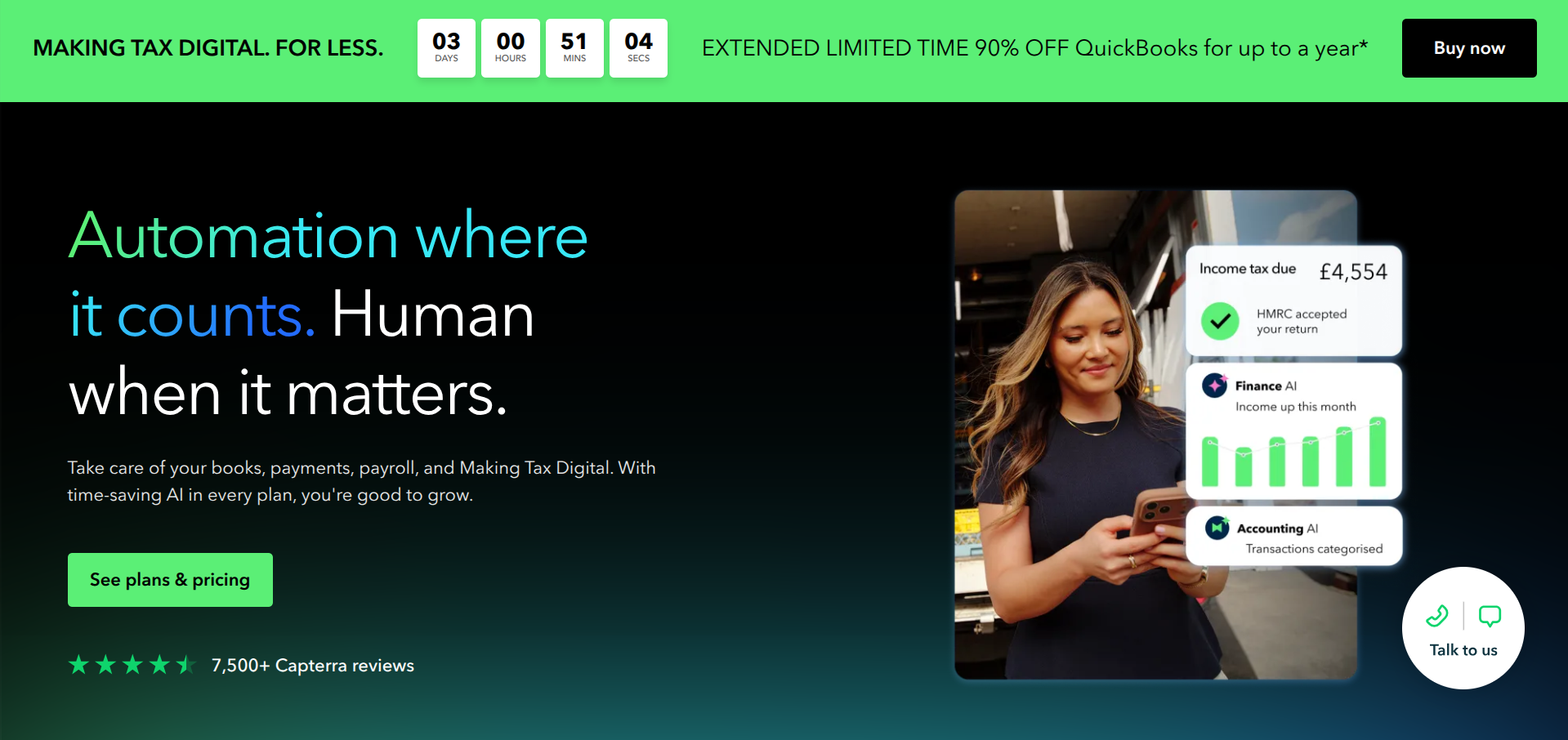
Its self-employed tier is laser-focused on tax: it auto-categorises transactions, tracks mileage from the mobile app, separates business from personal spending, and surfaces your estimated quarterly tax number automatically. Step up to Simple Start when you outgrow that and need fuller reporting and multi-feature accounting.
Pricing sits at the higher end and Intuit runs near-constant promotions, so the sticker price and what you actually pay in month one rarely match. Expect roughly $15/month at the self-employed end up to around $38/month for Simple Start before any discount. Check the current promo before you commit.
The downside is complexity. QuickBooks is more powerful than a solo freelancer often needs, and the interface can feel overwhelming if all you want is to send an invoice.
Zoho Books: best value for growth
Best for: Freelancers who want more depth than Wave but not QuickBooks pricing, especially if they use other Zoho apps.
Zoho Books is the quiet value pick. It offers genuinely strong accounting features (unlimited invoicing, expense tracking, a solid mobile app) at a lower price than QuickBooks, starting around $15/month with a free tier for the smallest operations.
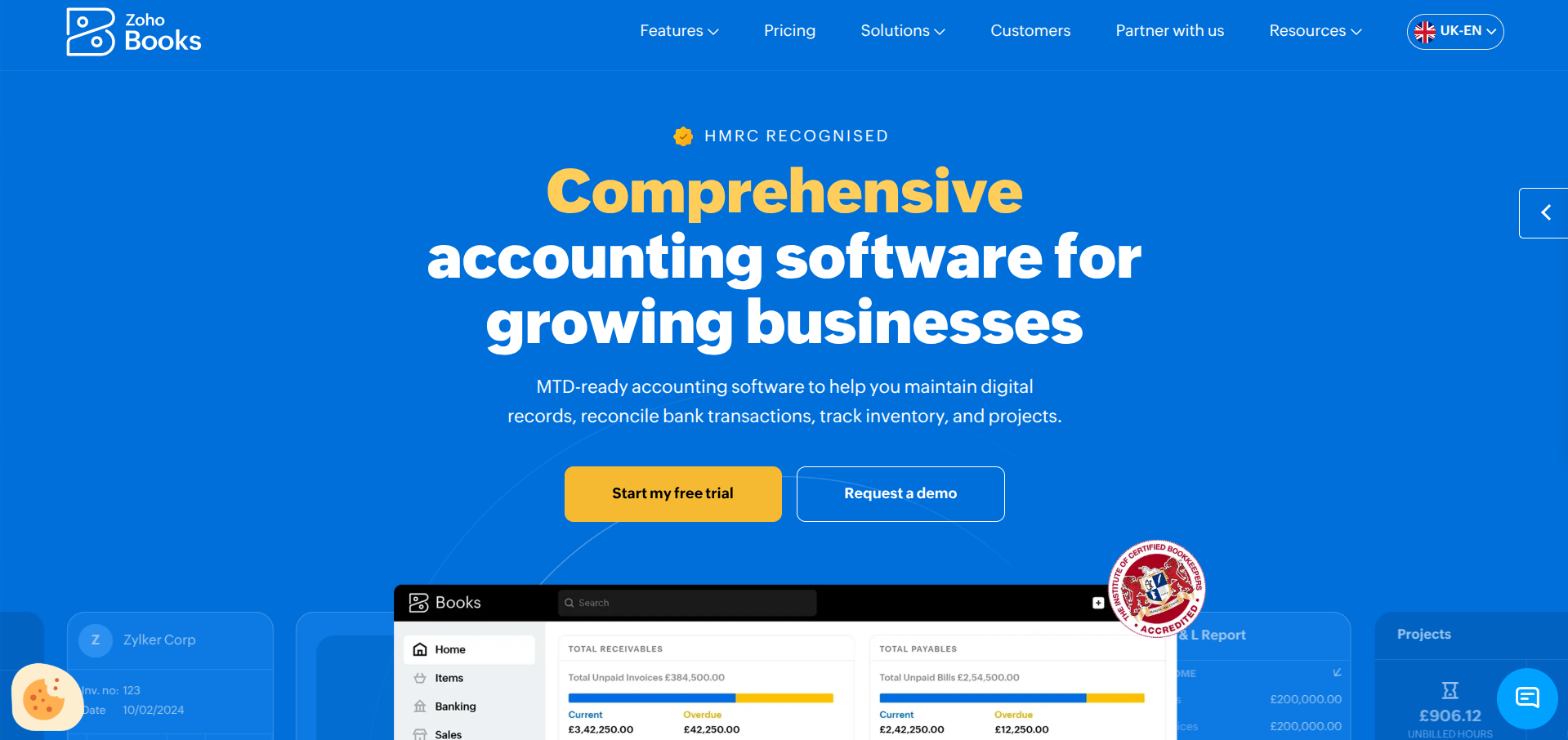
If you already use anything in the Zoho ecosystem, it slots straight in. It's the sensible middle ground: more room to grow than the free tools, without the cost or learning curve of the market leader.
Xero and FreeAgent: the UK picks
Best for: UK freelancers and anyone needing strong multi-currency support.
Since Wave left the UK market, Xero has become a default for British freelancers and small businesses. It has a modern interface, strong multi-currency handling for anyone invoicing overseas clients, and wide accountant support. Pricing starts around $20/month (UK plans priced in sterling).
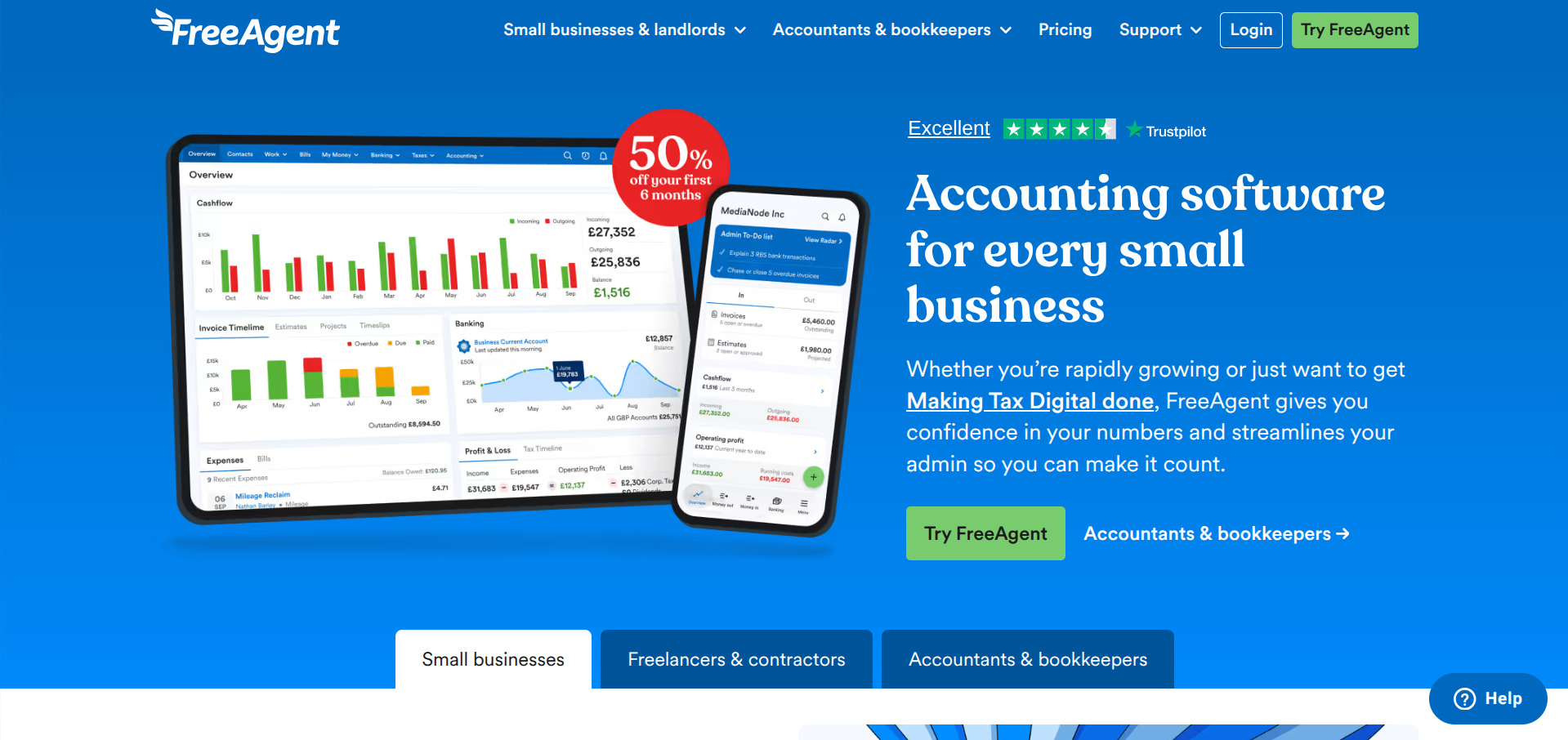
FreeAgent is the other UK-native option, built specifically around sole traders and limited companies, with self-assessment and Making Tax Digital support baked in. It's often free if you bank with certain UK providers, which is worth checking before you pay for anything.
If you invoice international clients regularly, pair whichever tool you choose with a low-fee multi-currency account so exchange-rate markup doesn't quietly eat your margin.
 Kai Chen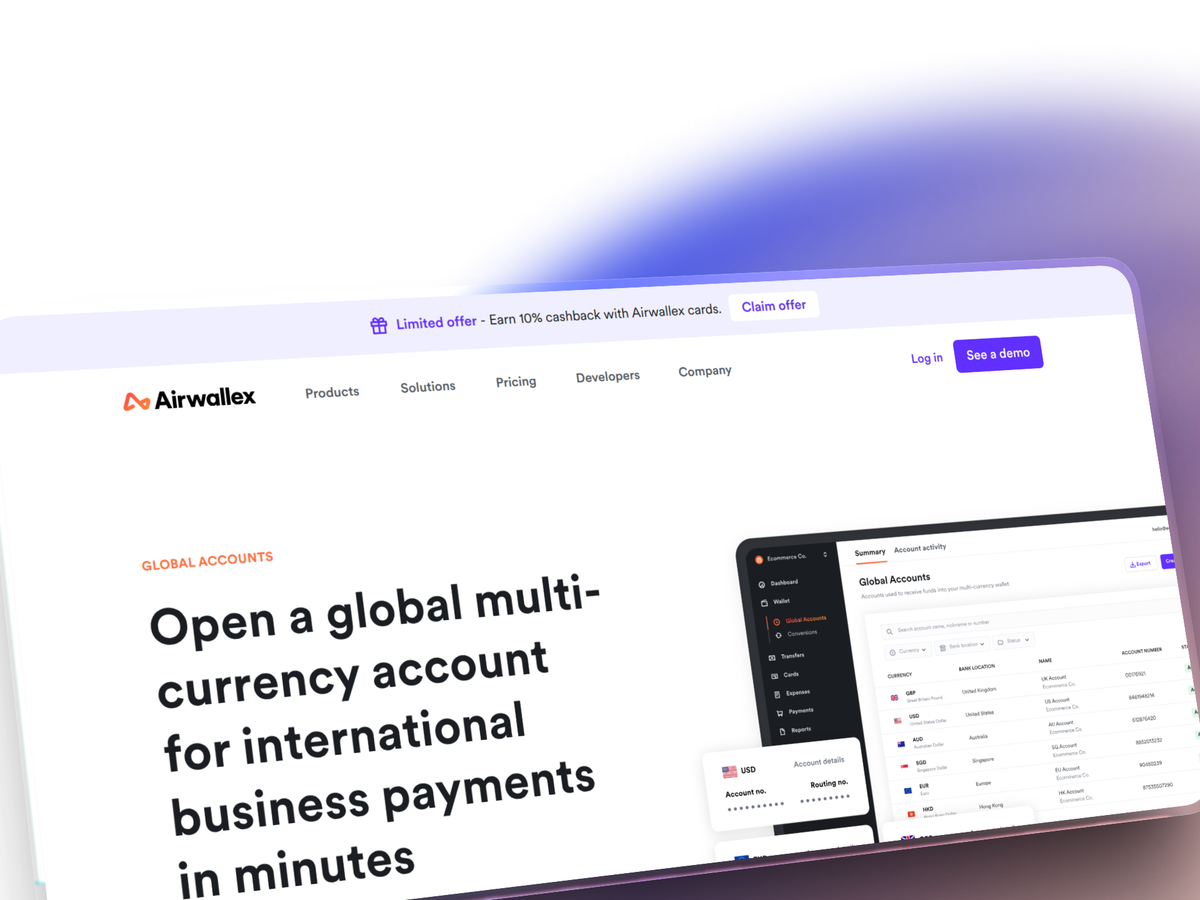
Freelance accounting software compared
| Tool | Starts at | Best for | Watch out for |
|---|---|---|---|
| Wave | Free (core) | New freelancers, tight budgets | Payment fees; no UK; no tax calc |
| FreshBooks | $19/mo | Invoicing & client work | Lite plan light on reports |
| QuickBooks | ~$15–38/mo | Scaling & tax prep | Complex; promo pricing shifts |
| Zoho Books | ~$15/mo (free tier) | Value & growth room | Best inside Zoho ecosystem |
| Xero | ~$20/mo | UK freelancers, multi-currency | Pricier entry tier |
| FreeAgent | Free w/ some UK banks | UK sole traders, MTD | UK-focused |
How to choose the right one
Match the tool to your situation, not to whichever has the loudest marketing.
Just starting out and watching every penny: use Wave (or FreeAgent if you're in the UK and bank somewhere that includes it free). Free core accounting is plenty until you're past your first handful of clients.
Invoicing clients as your main workflow: FreshBooks. The polished invoices, client portal, and automated reminders pay for themselves in faster payments.
Focused on tax and planning to scale: QuickBooks. The accountant compatibility and automatic quarterly tax numbers matter more the bigger you get.
Want depth without the QuickBooks price: Zoho Books sits neatly in the middle.
Whatever you pick, the habit matters more than the tool. Connect one dedicated business bank account, categorise transactions weekly rather than at year-end, and keep business and personal spending apart from day one. Fifteen minutes a week saves fifteen hours in tax season.
Frequently asked questions
What's the best free accounting software for freelancers?
Wave is the standout free option in North America, offering unlimited invoicing, expense tracking, and proper double-entry bookkeeping at no monthly cost. You only pay when you process card payments or run payroll. UK freelancers can't use Wave, but FreeAgent is free with several UK bank accounts.
Do freelancers really need accounting software?
Once you have more than a couple of clients or your first tax deadline, yes. Software automates invoicing, captures deductible expenses you'd otherwise lose, and surfaces quarterly tax estimates before penalties hit. A spreadsheet can't reliably do the last two.
How much should a freelancer spend on accounting software?
Anywhere from nothing (Wave, or FreeAgent with the right bank) to about $60/month for a full-featured plan. Most freelancers land between free and $30/month. Start on the cheapest tier that covers your invoicing and tax needs, and upgrade only when a real limit gets in your way.
Which accounting software is best for UK freelancers?
Xero and FreeAgent are the strongest UK picks, since Wave no longer operates outside North America. FreeAgent is built around UK sole traders with Making Tax Digital support, and is often free through UK business bank accounts. Xero suits those needing stronger multi-currency and reporting.
What's the difference between invoicing software and accounting software?
Invoicing software just creates and sends invoices. Accounting software does that plus tracks expenses, reconciles your bank, produces financial reports, and helps with tax. FreshBooks blurs the line by doing both well; QuickBooks and Xero are fuller accounting systems.