


There's a version of entrepreneurship that lives rent-free in everyone's head. The late-night eureka moment, the perfectly timed pitch, the overnight valuation that makes the news. It looks nothing like what most founders actually experience.
Here's the truth: most successful businesses started small, solved a specific problem, and grew from there. No revolutionary idea required. No VC money. No dramatic origin story.
If you've been waiting for the perfect concept before you take the leap, this guide is for you. We're breaking down the easiest businesses to start right now, what they actually require, and how to get moving without overthinking it.
Why "Easy" Doesn't Mean "Worthless"
Before we get into it, let's address the elephant in the room. When people hear "easy business," they assume it means low income or low ambition. That's not the case.
Easy in this context means low barriers to entry. Low startup costs. No need for commercial premises on day one. Skills you probably already have, or can develop quickly. These businesses are a launchpad, not a ceiling.
Some of today's biggest agencies, consultancies, and e-commerce brands started exactly this way. The founders didn't wait until everything was perfect. They picked something manageable, started generating revenue, and built from there.
The Three Categories Worth Your Attention
1. Service-Based Businesses
If you have a skill, you have a business. It really is that straightforward.
Freelancing and consulting sit at the top of the list for a reason. Web design, copywriting, social media management, SEO, bookkeeping, HR consulting, these are all things businesses need and will pay for consistently.
Your startup costs are essentially zero beyond a laptop and an internet connection. You find clients, you do the work, you get paid.
The model scales too. Start solo, raise your rates as your reputation grows, and eventually bring in subcontractors or build a small team. What starts as a side hustle can turn into a six-figure agency faster than most people expect.
Handyman and trade services are another strong option if your skills lean more practical. Plumbing, tiling, general maintenance, garden work.
These services are always in demand, recession-resistant, and often underleveraged by younger founders who overlook the trades as a business opportunity. Word of mouth travels fast, and a sharp brand in a local market can carve out serious income quickly.
What you need to get started: A clear offer, a simple website or LinkedIn profile, and the confidence to reach out to your first few potential clients directly.
2. Online Businesses
The internet has genuinely flattened the playing field for early-stage founders. You can sell to a global audience from your spare bedroom, and your competition has the same access to tools as you do.
E-commerce is the obvious starting point. Platforms like Shopify and Etsy have removed almost every technical barrier, so the work is really in picking the right niche, sourcing products, and building a brand that people actually connect with.
The founders who win here are the ones who think like marketers first. They understand their audience, build community, and treat content as a distribution channel rather than an afterthought.
Affiliate marketing is worth considering if you'd rather promote than create products. Build an audience around a specific topic, recommend relevant products and services, and earn a commission on sales.
It takes time to gain traction, but the model is passive by nature once it's running. A strong newsletter, YouTube channel, or niche blog can become a genuine income stream.
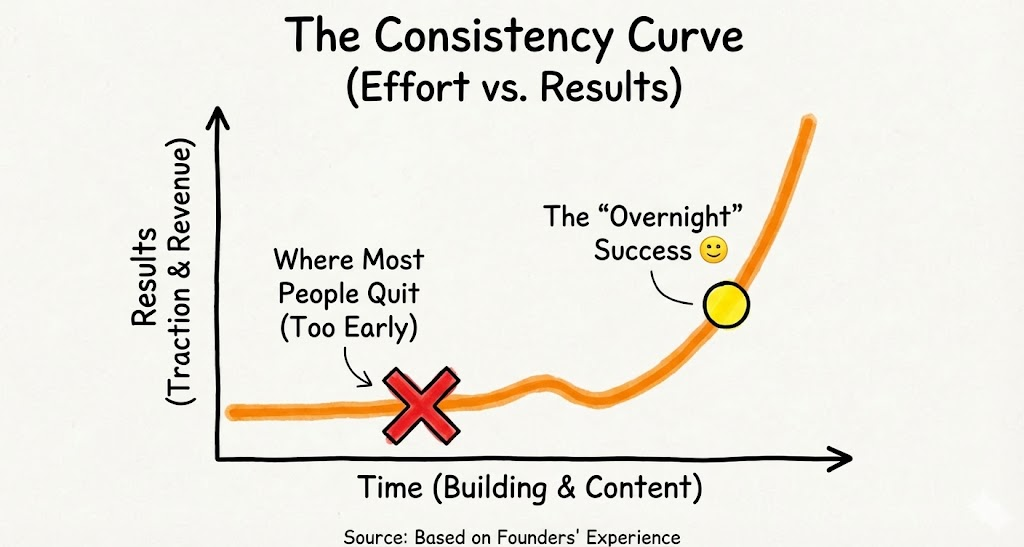
Both of these models reward consistency over everything. The people who fail usually quit too early. The ones who stick around long enough to build an audience, test their messaging, and iterate their offer tend to come out the other side with something real.
What you need to get started: A niche you understand, a platform to sell from or a channel to build on, and a willingness to treat content creation as part of the job.
3. Retail and Product Businesses
Not everyone wants to stare at a screen all day, and that's fine. Physical retail and product reselling remain solid options for founders who want more tangible work.
Pop-up shops are an underrated entry point. Low commitment, low overhead, and they let you test demand before signing a lease or committing to serious inventory.
Markets, events, and temporary spaces give you direct access to customers and feedback in real time. It's the fastest way to validate a product idea without spending heavily upfront.
Product reselling follows a similar logic. Buy wholesale, sell at retail margin. It's a model that's been around forever because it works. The modern version includes platforms like eBay, Amazon, Vinted, and Depop, which give you immediate access to buyers. Building supplier relationships and understanding your margins are the core skills here.
What you need to get started: Initial product inventory, a platform to sell through, and an eye for what your target customer actually wants to buy.
The Steps That Actually Matter
Reading about business types is useful. But most people already know roughly what they want to do. What stops them is everything that comes after the idea.
Here's what to focus on:
Research the market before you spend a penny. Understand who your customers are, what they're already buying, and where the gaps are. This doesn't require a formal research agency.
Talk to people, read forums, look at what's selling, and pay attention to the questions people are asking online. Your job is to find a real problem and position your offer as the solution.
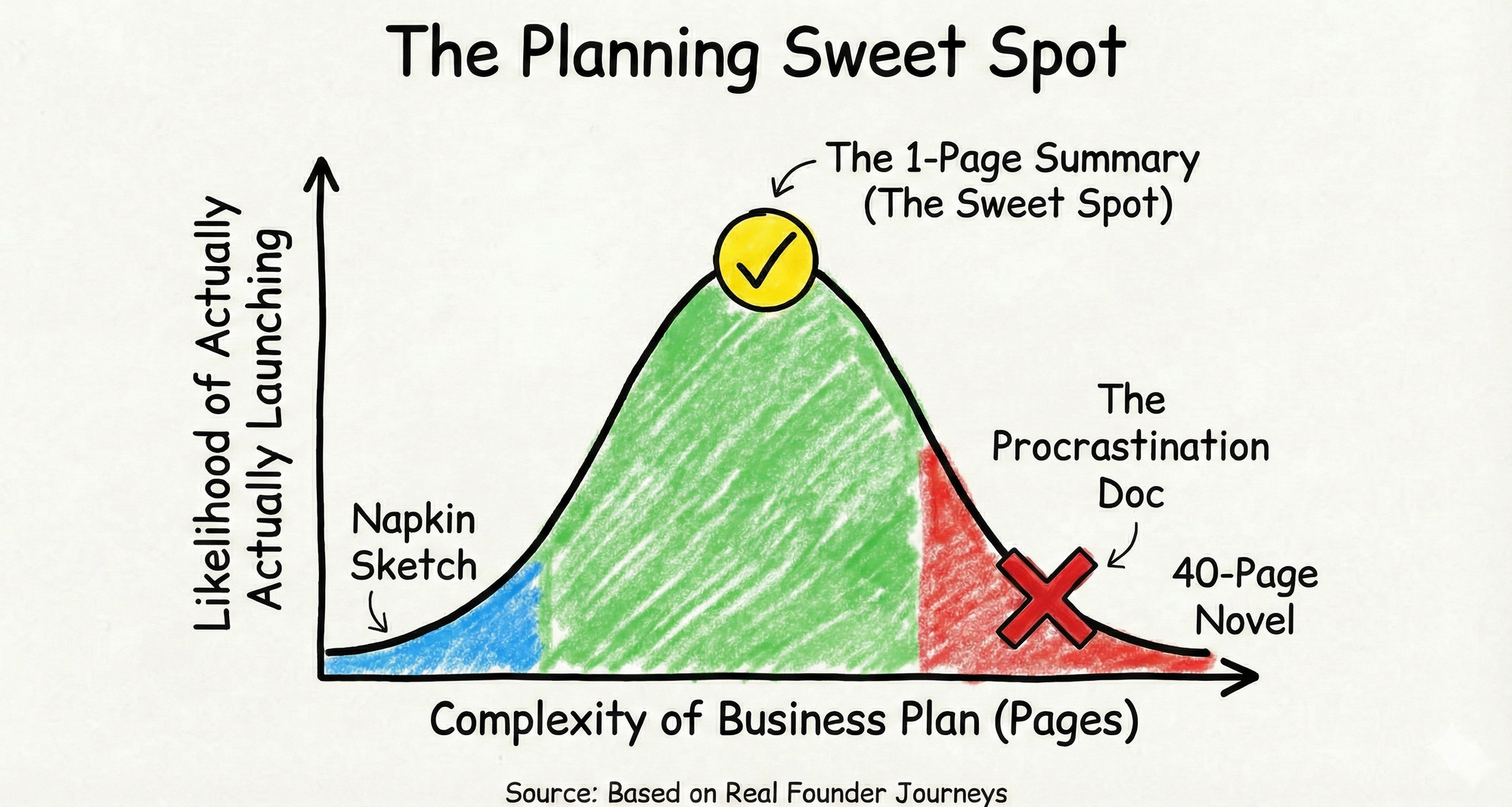
Write a basic business plan. It doesn't need to be a 40-page document. A clear summary of what you're selling, who you're selling it to, how you'll reach them, and what the numbers look like is enough to start. The discipline of writing it down forces clarity, and that clarity is what keeps you focused when things get messy.
Set your pricing with confidence. One of the most common early mistakes is undercharging. Especially in service businesses, founders price low to win clients and then burn out delivering work that doesn't pay enough.
Know your costs, know your time, and charge accordingly. You can always adjust, but starting too low is a hard hole to climb out of.
Pick a legal structure and get it set up. Sole trader or limited company, depending on your situation. If you're unsure, a quick conversation with an accountant will save you a headache later. Don't let this step delay you, it's administrative, not complex.
The One Thing Most Guides Won't Tell You
The biggest challenge isn't finding the right idea, navigating legal structures, or even finding your first clients. It's managing your time and staying consistent when the initial excitement wears off and results are still slow.
Almost every founder hits this wall. The businesses that survive are the ones built on genuine interest and realistic expectations, not just enthusiasm for the idea of being your own boss.
Pick something you find genuinely interesting. Build it steadily. Treat every early client or customer like they matter, because they do. And resist the urge to pivot the moment something feels hard.
The business you start doesn't have to be the business you run forever. But you do have to actually start it.

