Branding is often mistaken for surface polish: a clever logo, a catchy tagline, a splash of colour that sticks in someone’s mind, and you’re done. But, in reality, branding goes far deeper, especially for factory start-ups. It is about how your business is:
- Recognised
- Trusted
- Remembered
In fact, over 80% of consumers need to trust a brand to even consider buying from it. Branding doesn’t only affect your customers. It also matters for the business strategy, as 77% of marketing leaders say a strong brand is critical to growth plans.
In other words, that level of trust and recognition doesn’t happen by accident. It’s built from the ground up, through every decision you make to establish your business, from the standards you uphold to the values you live by.
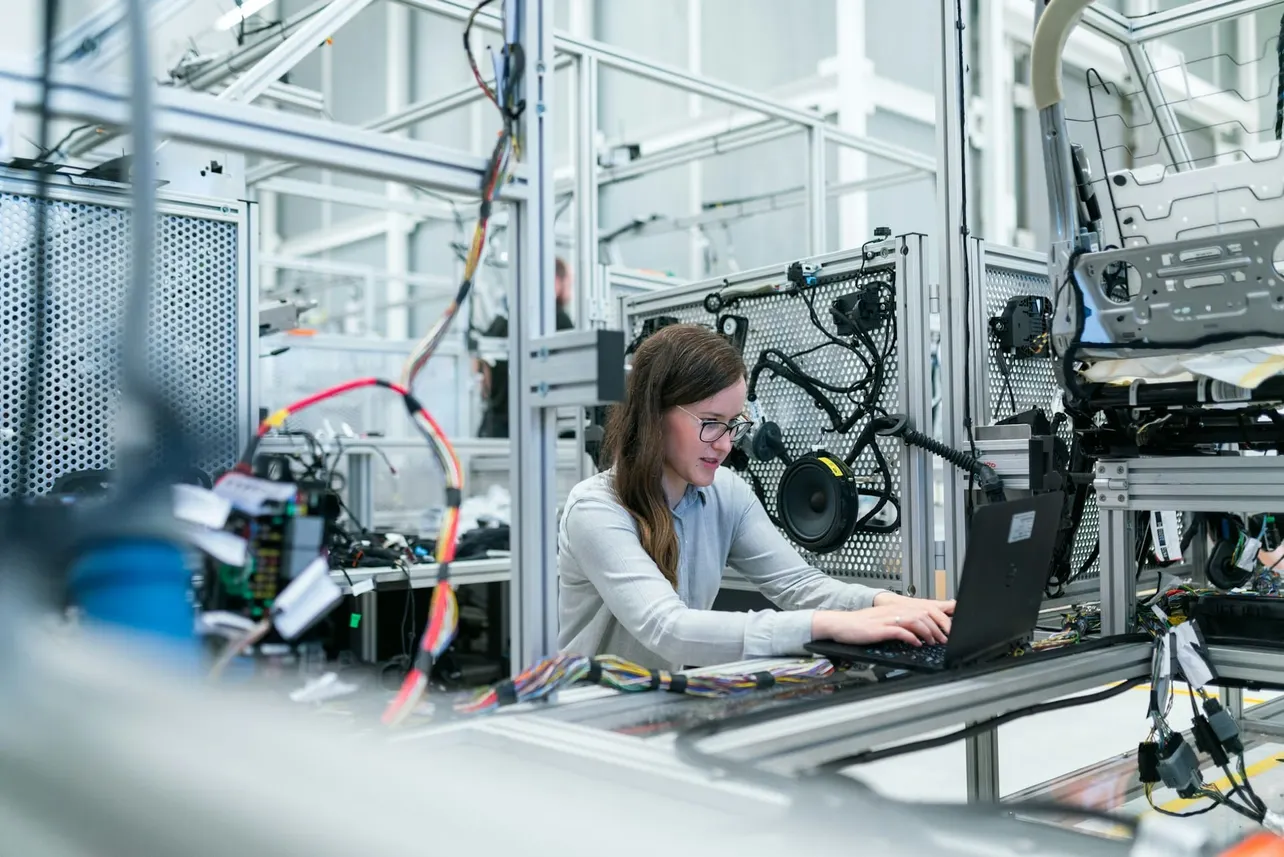
For factory start-ups, branding might not look like glossy social media campaigns or billboard ads. It’s often expressed through operational excellence, quality assurance, and a clear sense of purpose.
From production choices to community involvement, every element of your factory contributes to your identity. When those elements align, you create more than a brand; you build a reputation that can last.
Equipment investment
When starting out, factory founders often take the easy route and go for the cheap option when it comes to gear. This makes sense, especially as cash is tight and top-notch machinery can seem like a luxury that’s not in the budget.
But the truth is that the choice of tools and equipment has a big impact on your factory brand. When you purposefully choose reliable, efficient, and precise equipment, you’re basically also sharing that your business is all about producing high-quality products that last, rather than churning out a quick profit.
Take something as simple as a spray nozzle, for example. While this may not sound like the peak of equipment, it can make all the difference to your output. Whether you use it for cooling, coating, cleaning, or dust control, a quality nozzle gives you consistency, cuts waste and keeps your production in top condition.
It’s not just about making your production line run better. It is also about showing your audience that you really care about what you do. You can’t afford to cut corners when you are launching a brand.
Sustainability Focus
Every business is aware of the importance of sustainability, especially as it has now become a brand differentiator. For a start-up in an industrial and manufacturing sector, the pressure to build a sustainable strategy is undeniable.
However, there is no more excuse not to minimise the impact on the environment in 2025. As a factory start-up, sustainability needs to be embedded into your operations.
Sustainable operations, however, come at a high cost, which can be tricky to finance for a start-up. But, on the other hand, the majority of customers are not only actively rewarding sustainable businesses, but they are also willing to pay more for sustainably produced and/or sourced products.
In other words, environmental responsibility has a direct impact on the brand value. For founders, this is good news. Investing in sustainability is central to brand reputation and, therefore, growth.
At a factory level, there are different actionable approaches that can help create a sustainable production:
- Sourcing eco-friendly materials
- Reducing waste (water, energy, materials, etc.)
- Investing in energy-efficient equipment
- Prioritising closed-loop systems
- Choosing recyclable packaging
- Etc.
Small changes at this level can go a long way in communicating your sustainable strategy outward and establishing your “green focus” brand. In the long term, this is about earning the trust of customers, partners, and potential investors.
Giving Back to the Community
Branding doesn’t stop at your factory gates. The most trusted start-ups are those that recognise their role within a wider ecosystem. They are not just producers. They become contributors.
This is why engaging in Corporate Social Responsibility (CSR) initiatives gives factory start-ups an authentic way to show their values in action. In fact, 9 in 10 consumers trust socially responsible businesses more, and 77% are more likely to buy from brands that take an active role in bettering their communities.
The message is crystal clear: CSR isn’t just good for PR. It is good for brand recognition and business growth.
For factory start-ups, CSR can take many shapes. It could mean supporting local charities and sponsoring community events. But it could also be more practical with apprenticeship offers for young people in the area. No matter what you decide, your efforts will build trust and help establish your brand as a positive local force.
Besides, CSR also boosts employee pride and retention. People want to work for a business that cares. Naturally, you want initiatives to align with your operational reality and core values. But, that being said, there are plenty of opportunities for factory start-ups to show they care.
Creating Local Jobs
A strong brand is partially built through marketing campaigns, but that’s not all. Your brand is built by people more than advertising.
For a factory start-up, this translates into becoming a reputable, local employer, as this is one of the more effective and authentic ways to grow brand equity.
Ultimately, when you provide stable and skilled jobs, you are contributing to the local economy, and you are also shaping how your business is perceived. Hiring locally creates a sense of pride and ownership that can directly compete against external brands.
Employees who live nearby become brand advocates, as they share their positive experiences with family, friends, and neighbours.
Over time, local employers build goodwill organically. Additionally, this also positions your business as a community feature rather than a faceless operation. Your brand becomes a place where local talent can build meaningful careers.
For factory start-ups, branding doesn’t come from a creative agency or a slick ad campaign. It’s built, day by day, through every operational choice. From investing in quality equipment to prioritising sustainability, from supporting your community to developing local talent and partnerships, every action contributes to how people perceive your business.
In a market where trust and authenticity matter more than ever, factory start-ups can be more than just places of production; they can be symbols of values, innovation, and integrity.
