
Last updated: November 2026
We’ve all been there: you pick up your phone to check a quick Slack message, and 20 minutes later, you’re deep in an Instagram scroll hole.
According to Reviews.org's 2026 Cell Phone Usage report, Americans now check their phones an average of 186 times a day (roughly once every five minutes while awake) and nearly half consider themselves addicted.
That's not a willpower problem. That's an engineering problem.
The good news: you can fight tech with tech. We’ve curated the best apps to reduce phone addiction that actually work - helping you reclaim your focus, whether you need a gentle nudge or a total digital detox.
Free vs paid: what each app costs
| App | Free tier | Paid option | Platforms |
|---|---|---|---|
| Champ | Yes: unlimited shielding, resets, Rules and Focus rounds | Optional Champ Pro for most of the content library | iPhone and iPad (iOS 18+) |
| Brainrot | Check current price | Check current price | Check the App Store listing |
| Screen Time / Digital Wellbeing | Yes, built in | None | iPhone and Android |
| Freedom | Yes, with limited features | Monthly, yearly (7-day trial) or one-off Forever plan | Phone, tablet and computer |
| Forest | Check current price | Optional Forest Plus subscription | iPhone, Android and browser |
| StayFree | Check current price | Check current price | Phone and computer |
| One Sec | Yes, for one app | Pro unlocks unlimited apps; around $19 a year at the time of writing | iPhone, Android and desktop browser |
| Blank Spaces | Check current price | Check current price | iPhone |
How We Chose the Best Digital Wellbeing Tools
As founders and builders, we can't afford to lose hours to screen time. We selected these apps based on three criteria:
- Friction: How effectively they stop the "mindless open."
- Stickiness: Do they help build long-term habits?
- Device support: Can they sync between your phone and laptop for total focus?
Top Apps for Breaking Phone Addiction
Champ
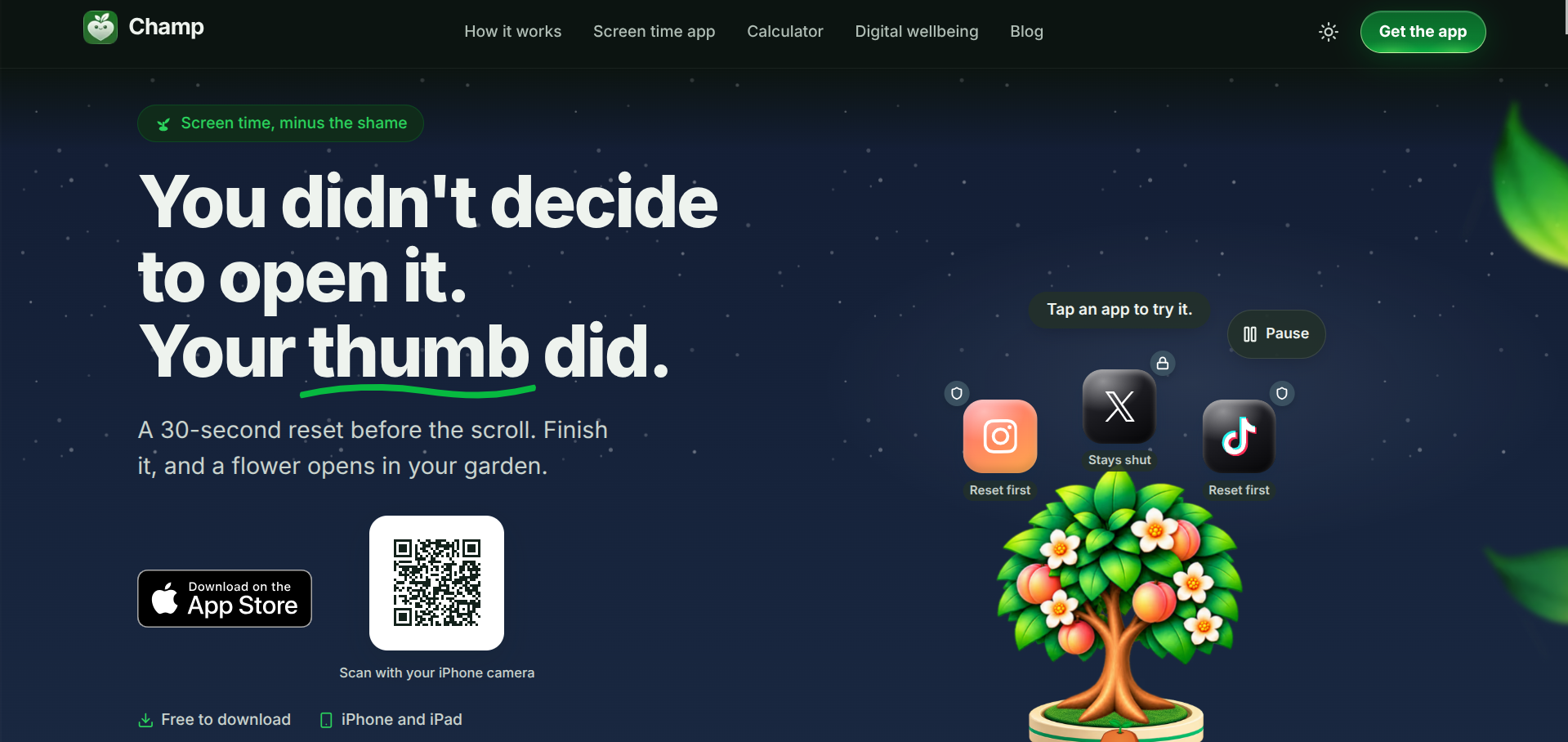
Champ is a screen time app for iPhone and iPad, built by Ahil, a solo developer in Singapore. It adds a short pause before you open the apps you want to spend less time on.
When you open a shielded app, Champ offers a 30-second reset, such as a breathing exercise, an affirmation, or a short meditation. You then decide whether to continue. If you still want to use the app, it opens for a time window you choose.
Each completed reset opens a flower in your garden. Nothing withers or dies if you slip up, so you can pick up where you left off without losing progress.
For firmer limits, Strict mode prevents you from changing or switching off a Rule while it runs. Focus rounds keep your chosen apps closed until the session ends.
- Key feature: Every time you reset, a new flower grows in your wellness garden. 🌸
- Why it works: The pause gives you a moment to question the habit before you start scrolling.
- Price: Free to download. Unlimited app shielding, resets, Rules, and Focus rounds are free. An optional Champ Pro subscription unlocks most of the content library.
- Works on: iPhone and iPad running iOS 18 or later.
Want the story behind it? We spoke to Champ's founder, Ahil Sinnaiah, about why he skipped punishments and kept every app guard free in our Champ founder Q&A.
Brainrot
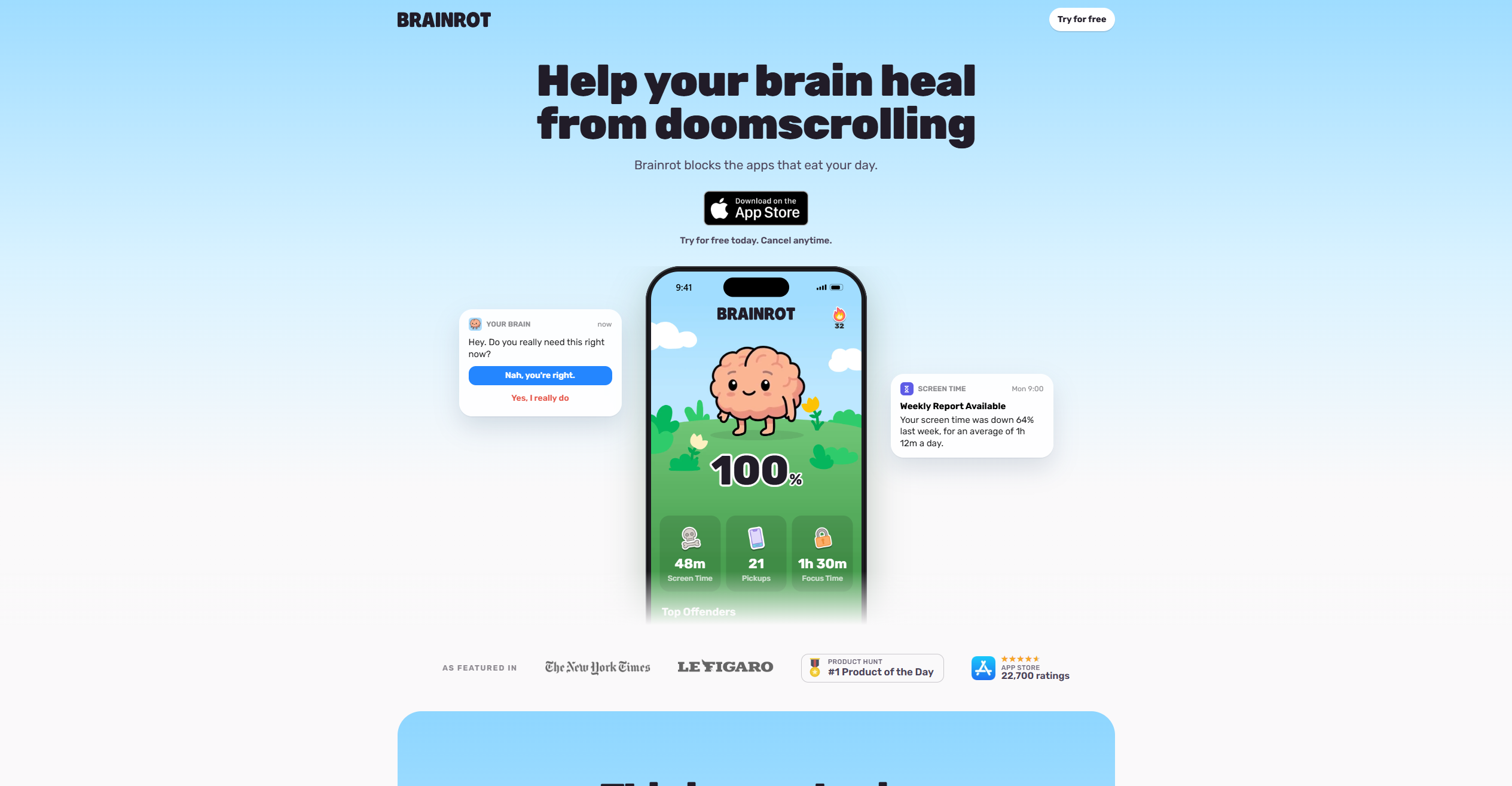
Brainrot uses AI to catch you when you're mindlessly scrolling and actually intervenes.
Created by a developer who couldn't stop checking his own phone, the app made £26,000 in its first 30 days because it tackles a problem most of us can relate to.
Instead of just blocking apps, it jumps in during those zombie scrolling moments and redirects your attention somewhere better.
Screen Time & Digital Wellbeing (Built-in Options)
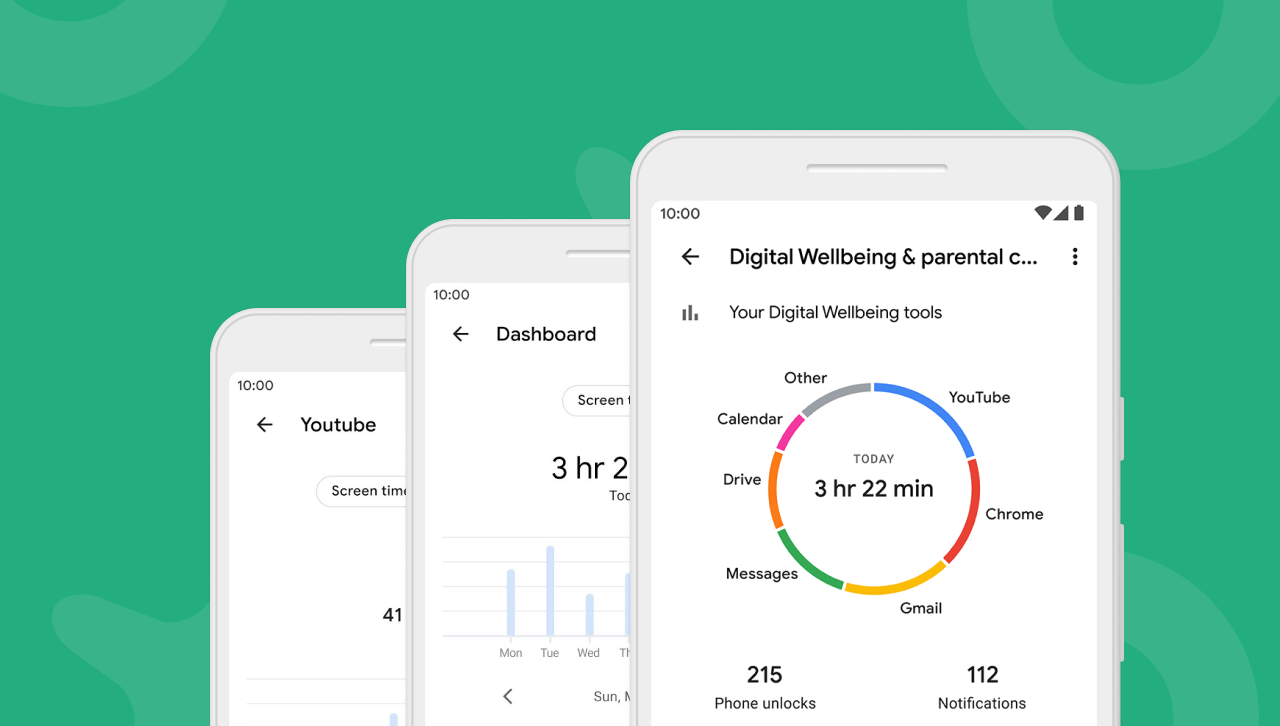
Before downloading third-party tools, check what you already have. Apple's Screen Time and Google's Digital Wellbeing offer basic app limits and usage reports.
- Key Feature: Free, integrated, and privacy-focused.
- Why it works: It’s a low-barrier way to start seeing where your time goes.
Find out more about Google's Digital Wellbeing.
Freedom
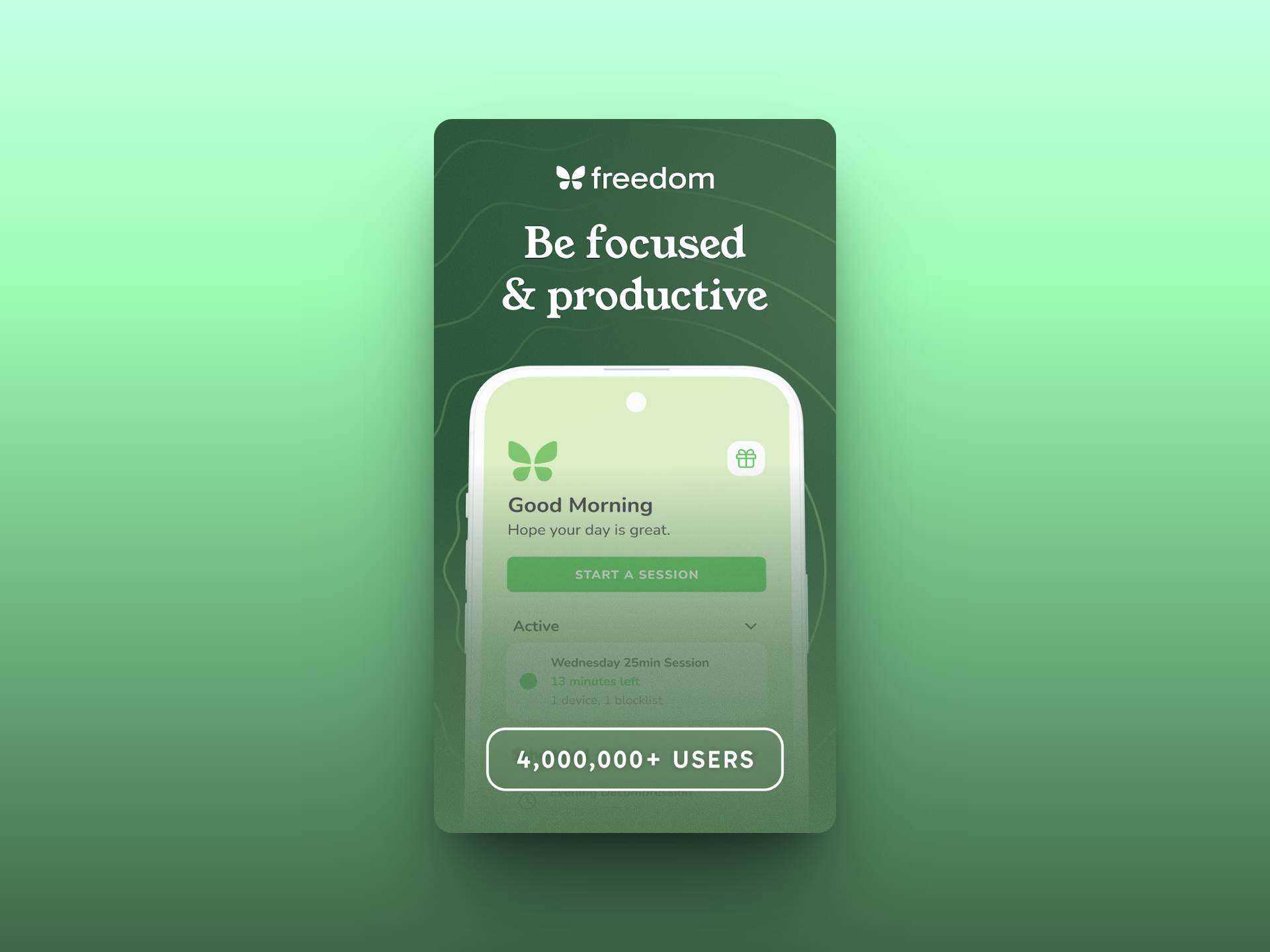
If you find yourself jumping from Instagram on your phone to Reddit on your desktop, Freedom is the solution. It allows you to block distracting websites and apps across all your devices simultaneously.
- Key Feature: Syncs blocks across phones, tablets, and computers.
- Why it works: It prevents the "device switch" cheat that many of us do when one screen is blocked.
Forest
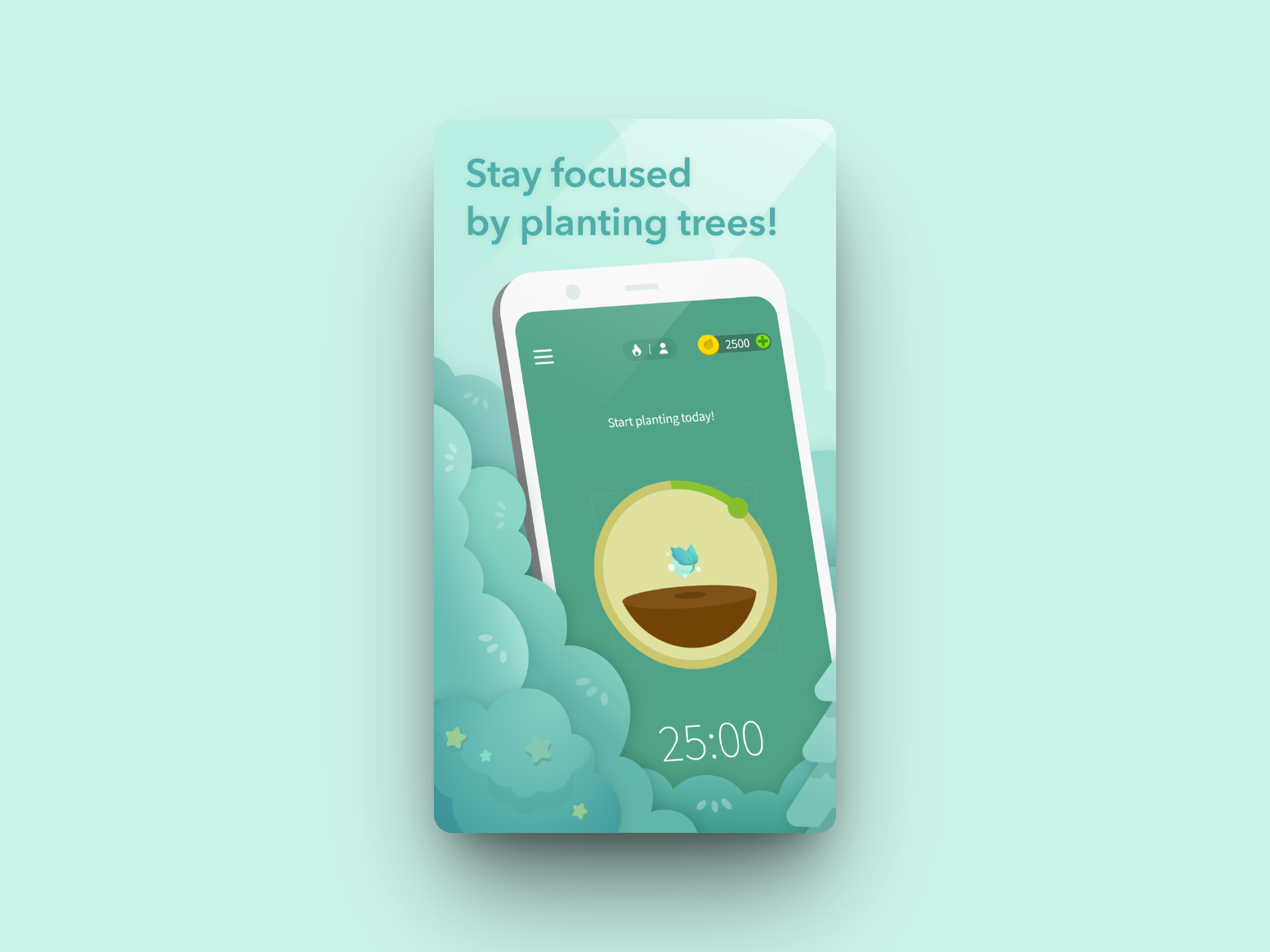
Forest turns staying off your phone into a game. When you want to focus, you plant a virtual seed. If you leave the app to check social media, your tree dies. Over time, you build a lush forest representing your focused hours.
- Key Feature: Forest partners with Trees for the Future, which plants trees in Africa.
- Why it works: It utilizes the Pomodoro technique combined with gamification to make focus rewarding.
StayFree
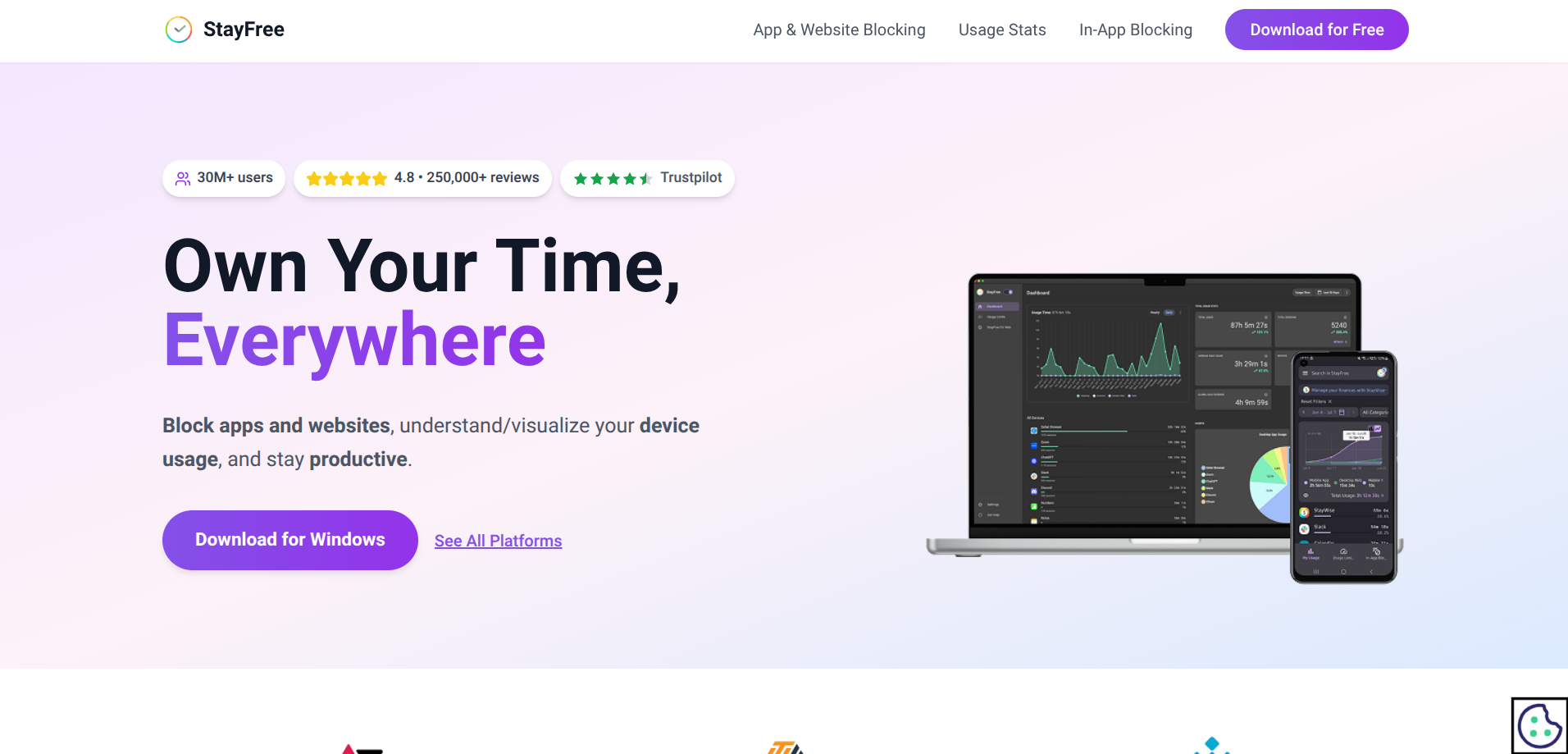
StayFree takes a comprehensive approach to screen time by syncing usage data across your phone and computer. It visualizes exactly how you spend your day with detailed charts and usage history. Instead of just blocking apps, it helps you understand your habits so you can set smarter limits and genuinely reclaim your time.
- Dive into detailed analytics to see exactly where your time goes without feeling guilty about it.
- Keep your scrolling in check by setting usage limits that nudge you when it is time to disconnect.
- Build a healthier relationship with your tech by comparing your progress to global averages and hitting your personal targets.
One Sec
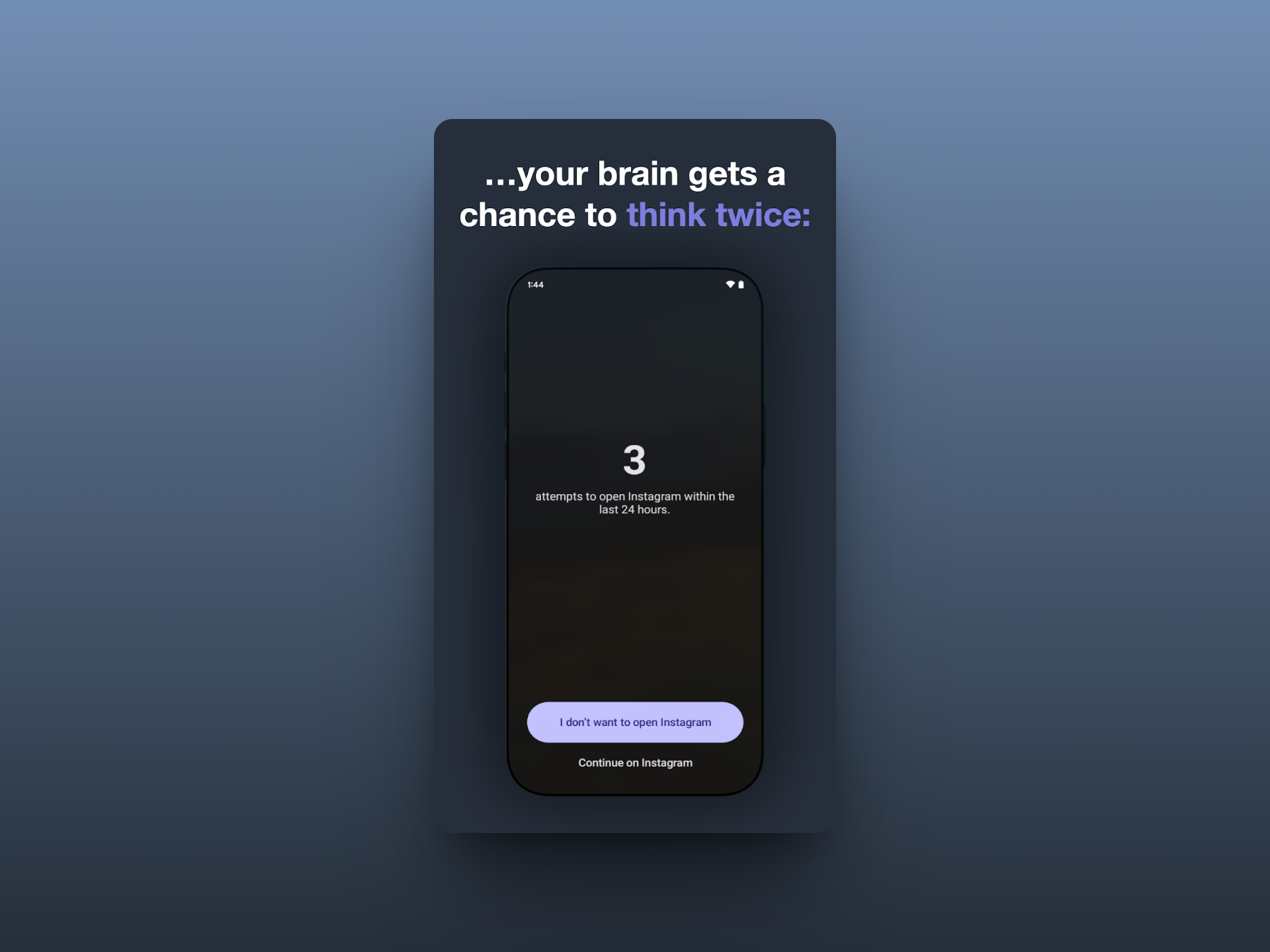
One Sec doesn't block you permanently; it forces you to take a deep breath for one second before an addictive app opens. This simpler "pattern interrupt" breaks the dopamine loop, making you ask: Do I actually want to open this, or am I just bored?
- Key Feature: Forces a breathing exercise before opening target apps.
- Why it works: One sec says its research shows a 57% reduction in app usage (source).
Blank Spaces
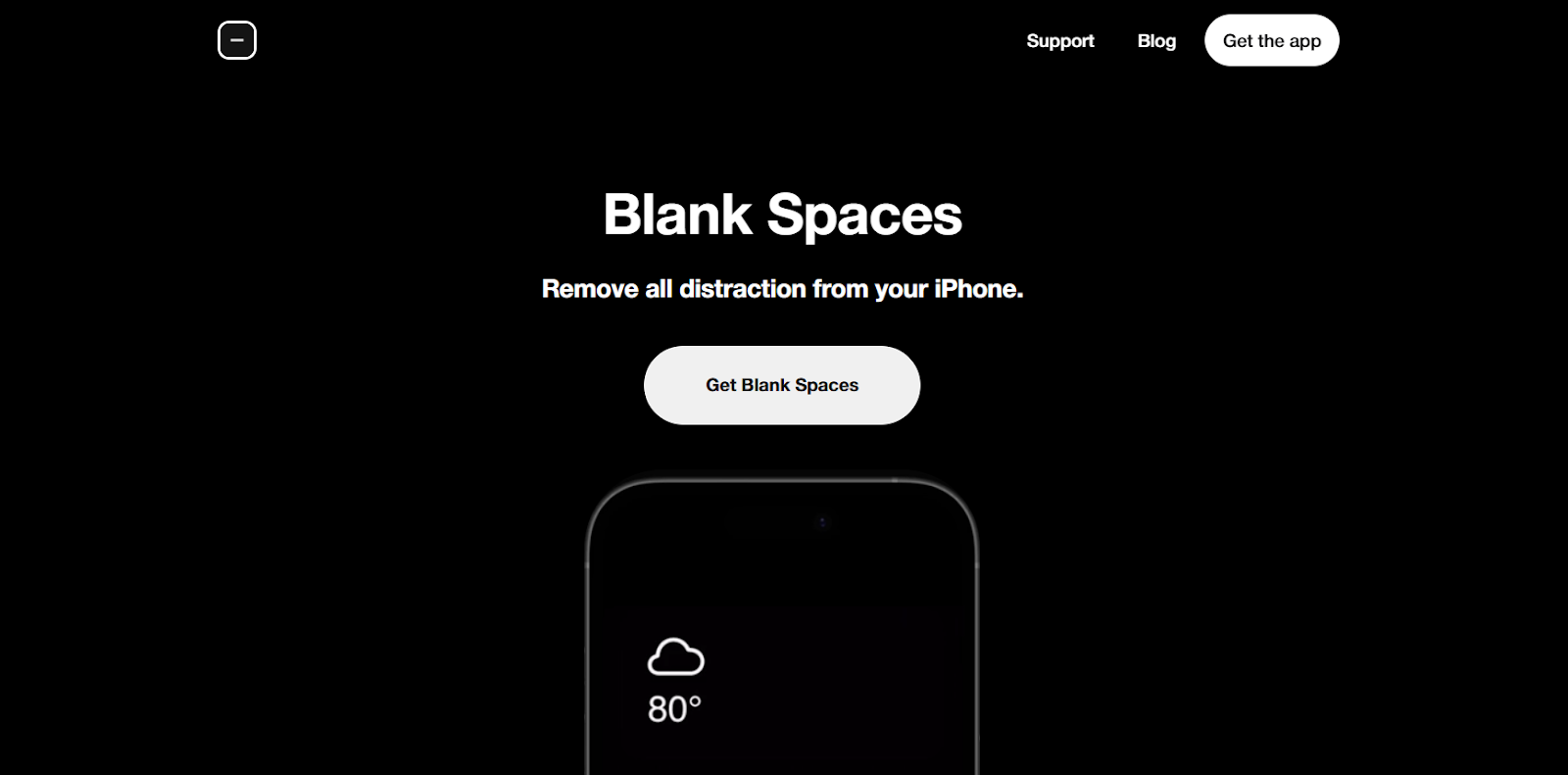
Blank Spaces helps you reduce phone addiction by transforming your home screen into a minimalist, distraction-free environment.
Instead of relying only on blocking, Blank Spaces removes the cues that lead to distraction in the first place. It replaces your home screen with a clean interface focused on essential tools like calendar, weather, or tasks, while hiding distracting apps from immediate view.
It also adds friction when opening certain apps by requiring small actions like a breathing exercise, passcode, or even physical activity before access is granted. This makes impulsive scrolling less automatic and more intentional.
Key Feature: Minimalist home screen + app locking with intentional friction.
Why it works: It removes visual triggers and disrupts habitual behavior, making your phone feel more like a tool than a distraction.
Find out more about Blank Spaces.
Tips for Choosing the Right App
- Start Simple: Try the built-in Screen Time controls first. If you just ignore the notifications, upgrade to One Sec or Freedom.
- Match Your Habits: If you doomscroll at night, look for apps with strict scheduling. If you open apps unconsciously during the day, look for friction tools.
- Check Reviews: Ensure apps stay updated and work reliably with your specific phone OS.
Best Apps to Reduce Phone Addiction by Who's Using Them
The right app depends a lot on who's holding the phone, so here's how the options above fit founders, people with ADHD, students and parents.
How to Stop Phone Addiction as a Founder or Working Adult
Most working adults lose their focus to a mix of Slack pings, email checks and the odd doomscroll after a launch doesn't go to plan.
If you bounce between a phone and a laptop, Freedom is the easiest way to stop the device-switching habit, because a block on one screen applies to all of them.
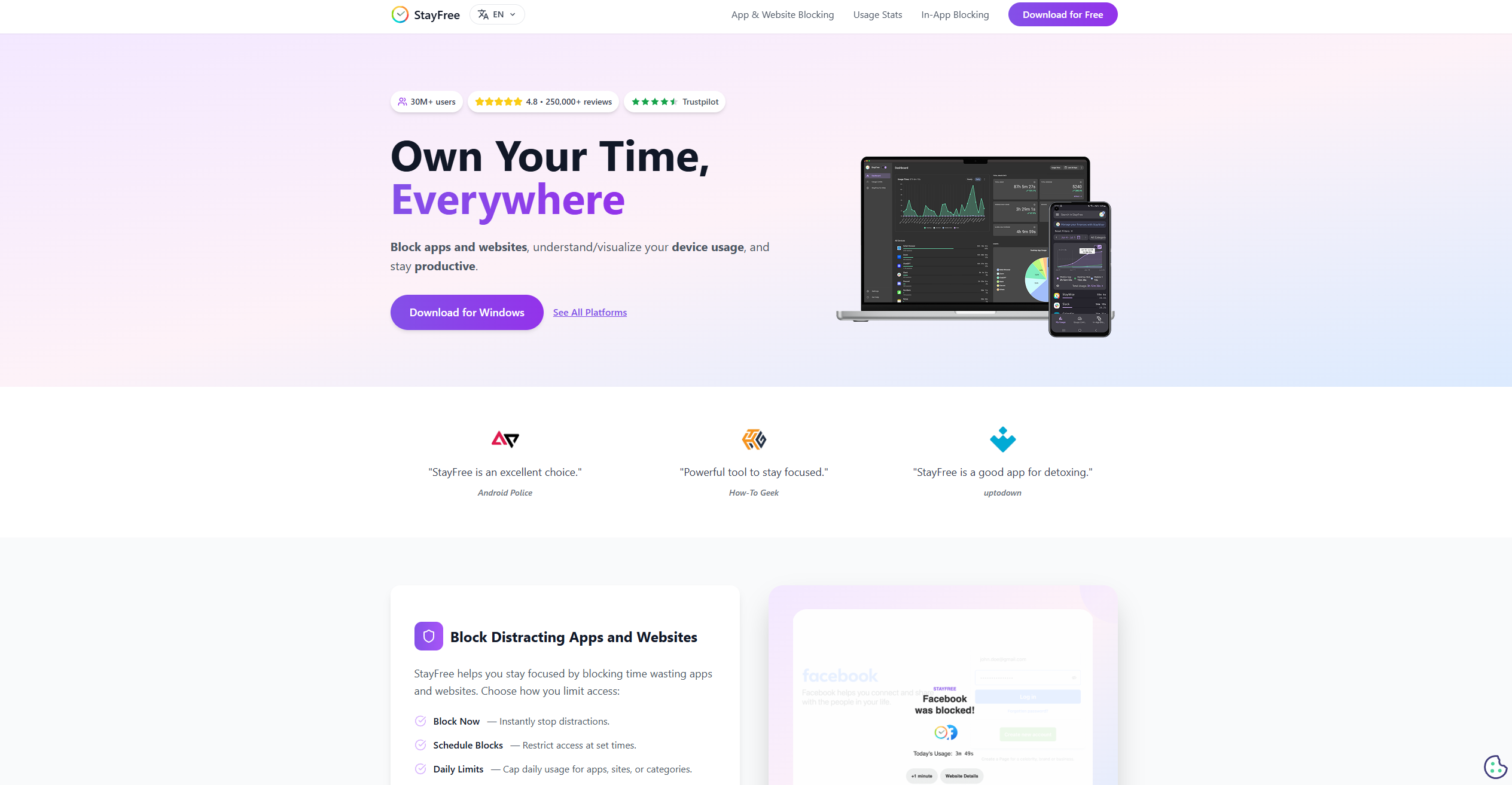
StayFree suits anyone who likes data, since seeing your mobile habits in a chart is often enough to talk you into setting a limit, and One Sec handles the reflex of opening Instagram or X between tasks.
A sensible first move is to block the two or three apps that eat your workday and leave the rest alone, which keeps your smartphone useful as a tool while taking the sting out of the mindless open.
Apps to Get Rid of Phone Addiction With ADHD
If you have ADHD, the tricky part is often the impulse to open an app before you've decided to, so tools that add a small pause tend to beat tools that rely on willpower.
One Sec and Blank Spaces both build in that friction, and Blank Spaces also clears visual triggers off your home screen, which helps when procrastination usually starts with a stray icon. Forest adds a visual reward for staying off your phone, which some people find easier to stick with than a plain timer.
Apps can support your habits, though they're no substitute for advice from a doctor or specialist if ADHD is affecting your work or daily life.
Best Apps to Reduce Phone Addiction for Students
Studying and a smartphone rarely mix well, and procrastination tends to win around exam season. Forest turns a study session into a Pomodoro-style challenge where leaving the app kills your tree, which is oddly effective at keeping people at their desks.
Freedom can block social media and gaming sites on your phone and laptop for a set study window, so your studies get a proper run at your attention. If you're on a budget, the built-in Screen Time or Digital Wellbeing limits are a free place to start.
How to Reduce Phone Addiction in Kids and Teens
For children and teens, the built-in controls are the best starting point because they're free and designed for family use. Apple's Screen Time with Family Sharing and Google's Family Link let you set daily limits, schedule downtime and approve new apps from your own phone.
Teens who want to cut back by choice might get on better with One Sec or Forest, which don't feel like parental controls. For toddlers, keeping devices out of mealtimes and bedrooms usually does more than any app, with the built-in limits as backup. At any age, talking it through tends to go down better than a surprise lockout.
Making It Stick
Apps work best as part of a broader strategy. The goal isn't eliminating your phone but using it more intentionally.
Try creating phone-free zones in your home (like the bedroom), establishing screen-free morning routines, and being mindful of where you place your device throughout the day. These apps help you rediscover what it feels like to be present instead of constantly pulled toward your screen.
Breaking phone addiction is a process, so be patient as you find the right combination of tools and habits that work for you. The 186 daily check-in figure isn't a life sentence , but a baseline.