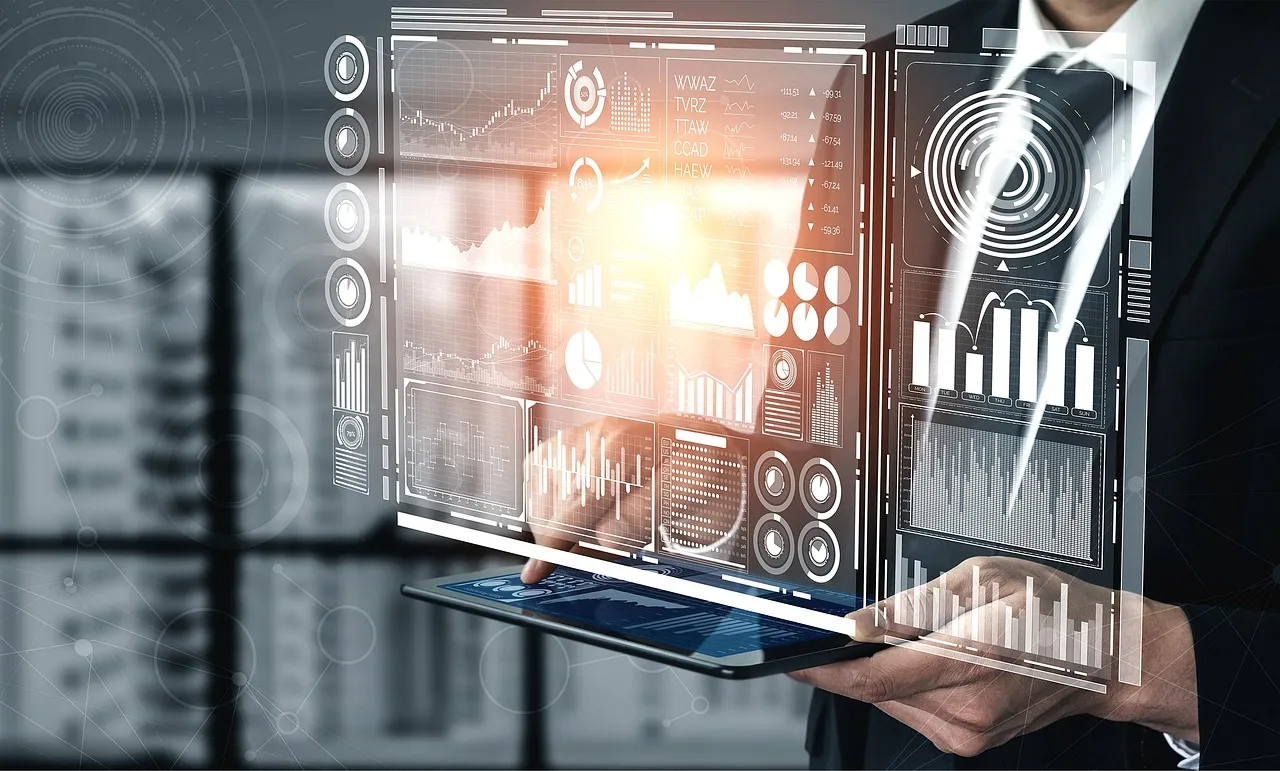
Love it or loathe it, artificial intelligence is quickly becoming a core part of how UK companies think about so many different things, including productivity, people. and risk, and workplace safety is no exception.
From smart monitoring to predictive maintenance, many AI tools are helping organisations transform their workplaces into genuinely safer working environments.
Why AI Matters for Safety
At its simplest, AI is very good at spotting patterns in large volumes of data that, as humans we would miss.
Putting this in a safety context, this would mean identifying subtle warning signs before an incident occurs rather than doing it the backwards way and investigating what went wrong afterwards.
For UK businesses operating under strict Health and Safety Executive (HSE) expectations, this is a far more proactive approach.
AI is already being tested across sectors regulated by HSE such as logistics and manufacturing and even more like construction and energy.
These do not just replace traditional safety controls like training, procedures and PPE, but provide a more layered approach where technology will augment rather than replace good management and the right people.
How Does AI Boost Workplace Safety in Practical Ways?
- Strong partnerships with PPE suppliers remain essential as AI systems could flag risks like missing goggles or helmets, but still depend on workers having access to the right compliant equipment in the first place.
- Computer vision can monitor busy environments to detect unsafe behaviours, particularly in warehouses or factories, such as entering restricted zones, bypassing guarding or operating without required PPE, and AI can trigger real-time alerts before harm occurs.
- Predictive analytics can analyse maintenance logs, sensor readings, and near-miss reports to forecast where equipment failures or process deviations are more likely. This means targeted interventions that prevent accidents and downtime.
- Wearable devices and IoT sensors can track noise, temperature, vibration and air quality, so AI models present a live picture of conditions and can prompt action when there are concerns in place such as fatigue or exposure limits.
- Smart scheduling and workload optimisation tools can reduce incidents caused by fatigue, as they can spot patterns in shift data over time and error rates. This means managers can design safer rotas and allocate tasks more effectively.
- Documentation and compliance tools can automatically pull in regulatory updates, flag gaps in risk assessments and keep digital audit trails, so this demonstrates AI safety measures can actually meet the rigorous standards of UK health and safety.
What Smaller Businesses Can Do to Get Started
The Health and Safety Executive demands that AI-related risks need to be assessed and controlled like any other workplace hazard, such as cyber security.
Businesses and startups looking to embed this need to treat AI as part of a broader safety management approach rather than looking at it as a magic bullet.
The best starting point usually is a focused pilot in a clearly defined risk area. This could be manual handling in a small production line or forklift-pedestrian interactions in a warehouse.
A basic road map could include mapping the highest risks, verifying that additional controls like PPE are robust, but then layering the AI implementations where it does add value.
Of course, safety in business is about the real alongside the technological. Collaboration across all disciplines from external partners to data teams and safety professionals will need to have their say in how the AI becomes better implemented.
AI is certainly an incredibly useful thing, but it should not be a buzzword for health and safety; it's always about recognising that the thing that matters most is sending people home safe every single day.

