

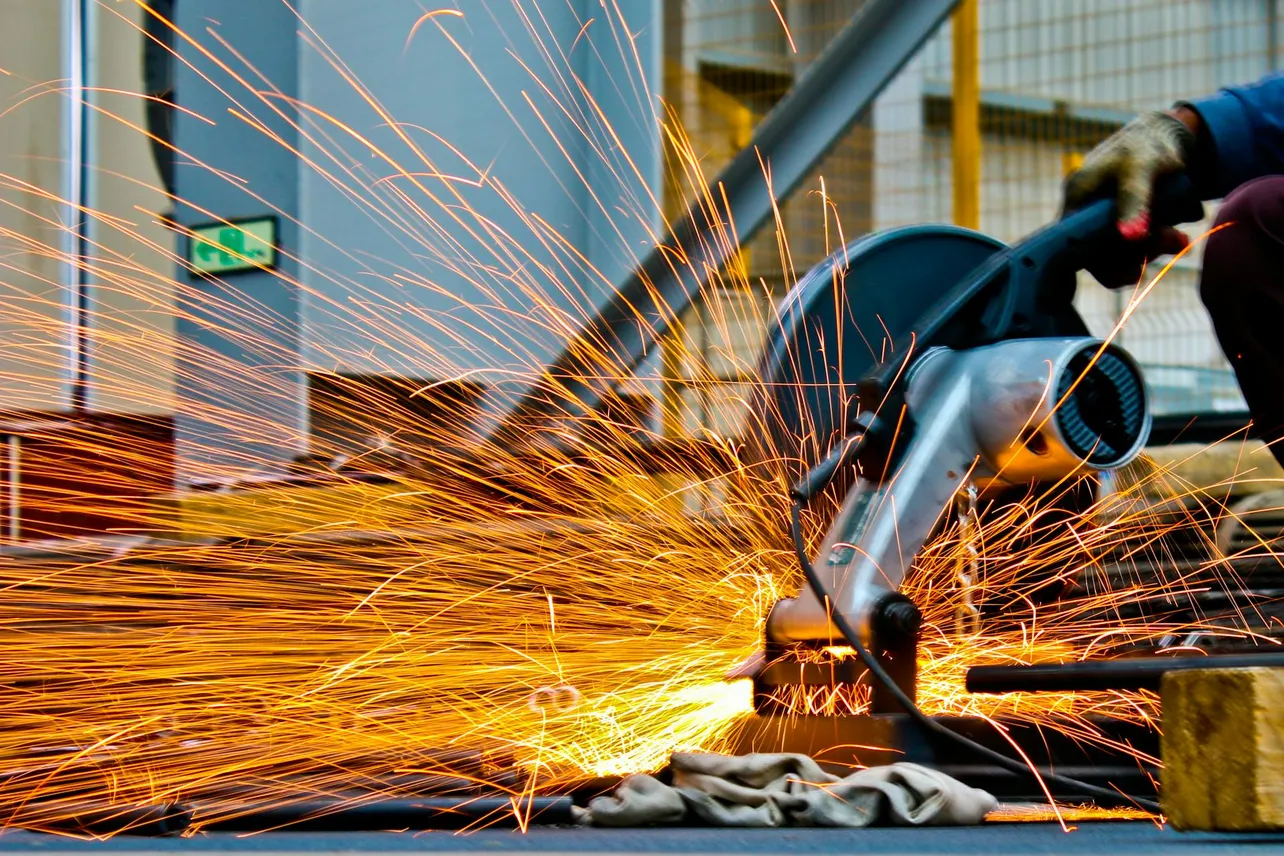
Managing safety threats is important for all businesses, but it’s triply important in the manufacturing sector, where danger is seemingly lurking in all corners.
In fact, there are often so many threats that, with a priority placed on the most obviously dangerous threats, many end up being slightly overlooked.
The potential for negative outcomes as a result of a manufacturing incident - including injured employees, reputational damage, and poor productivity - means that all threats, both little and large, must be proactively managed.
In this post, we’ll run through some of the occasionally forgotten threats that manufacturing facility security managers should be aware of.
Slips, Trips, and Falls
Slips, trips, and falls aren’t exactly overlooked - they’re one of the most common manufacturing facility injuries - but the conditions that make them possible frequently are.
The risk of fall-based injuries is that they can happen virtually at any time, even in facilities that have practices in place designed to prevent them.
The best way to prevent these forms of injuries is to have all stakeholders vigilant about maintaining safe and secure flooring, such as keeping walkways clear and having policies for addressing the effects of inclement weather (such as ice/snow/rainwater tracked in by employees).
Poorly Maintained Equipment
Equipment-based injuries aren’t just common; they’re also more likely to lead to a serious injury. Unfortunately, the most common injury that occurs as a result of equipment malfunction is amputation.
Given its potential impact, it’s imperative that manufacturing facility managers go above and beyond to prevent the likelihood of them occurring. Incidents are more likely to happen when a machine has been poorly maintained (or not maintained at all).
They’re also more likely to occur and produce more serious injuries if the worker has low-quality or defective personal protective equipment (PPE).
It should also go without saying that employee training is vital for preventing injuries. Even quality, well-maintained equipment can cause severe injuries if used incorrectly.
Worker Fatigue
No one functions at their highest level when they’re tired. In a manufacturing environment, this can lead to serious injury or even death.
Up to 15% of workplace injuries can be attributed to fatigue, with those who undertake long work hours and shift work at particular risk.
Unfortunately, there’s no way to guarantee that an employee isn’t overly tired, since that’s influenced by factors outside of your control (such as what time they go to bed). However, you can create an environment that generally discourages fatigue.
For instance, by keeping shift times reasonable, providing (paid) breaks, and providing energy-boosting food and drinks. Rotating tasks, so that an employee isn’t performing the same monotonous task over and over, can also help.
There’s also value in training floor managers to recognize signs of tiredness, which can be a good way to address sleep-related issues that happen outside of your control.
Chemical Spills and Gas Leaks
In some manufacturing facilities, there is a threat of injury caused by hazardous materials, such as chemical spills and gas leaks.
Having procedures in place for both preventing and managing these issues (should they occur) is paramount for maintaining a safe environment.
You’ll manage gas and liquid chemicals in different ways. For gas, installing an infrared gas detector that can automatically detect gas leaks and putting together emergency shutdown procedures can keep workers safe.
For chemicals, robust storage, clear labelling, and utilising spill-control techniques can be effective.
Noise Pollution
Manufacturing facilities tend to be noisy, with the average noise levels in factory settings often ranging from 80 to 100+ dB. That can negatively impact workers in multiple ways, with the most pressing concern being its impact on hearing health.
Sustained exposure to loud noises can damage the ears, resulting in premature hearing loss and/or tinnitus. In addition, working in a noisy environment can make it difficult to focus, increasing the chances that a worker makes a mistake that results in an injury.
Protecting your workers from dangerous noise levels goes beyond providing adequate hearing protection. Installing sound-absorbing materials and redesigning the facility’s layout with sound travel in mind can both make a noticeable difference, as can enclosing excessively loud machines.
Repetitive Strain Injuries
Workers in manufacturing facilities are particularly at risk of experiencing repetitive strain injuries due to the nature of their work. Without task rotation, many workers can end up making the same motion for hours, often while in an uncomfortable position.
Proactively managing the threat of RSIs is key to prevention. There are multiple ways to do this, including encouraging workers to take breaks, change positions, and perform warm-up exercises before they start working.
Task rotation, however, is perhaps the most effective strategy, since it will allow the worker to work in a different position.
Poor Temperature Control
Extreme temperatures are more common in manufacturing facilities. In some cases, both extreme heat and extreme cold can be present in the same facility, since different processes require different temperatures.
Both heat and cold can affect workers. Heat can cause dehydration, fatigue, and heat stress. Cold temperatures can decrease dexterity, particularly in the hands, and produce slower reaction times. Investing in climate control infrastructure and providing PPE for areas/machines with excessive temperatures is key to keeping employees safe.
Indoor Air Quality
Manufacturing facilities are hotspots for poor air quality due to the presence of dust, fumes, fibers, and vapors. Over time, that air quality can cause respiratory issues.
It can also have an effect on a shorter-term basis, producing fatigue, headaches, and dizziness, all of which can increase the likelihood of accidents. Installing air filtration devices and enhancing ventilation can both help to preserve good indoor air quality, and it’s also recommended to regularly perform checks.
Insufficient Lighting
Insufficient lighting can seriously enhance the probability of safety incidents, as well as impact employee productivity and morale.
Upgrading the facilities' lighting to brighter LED lighting, redesigning the lighting system to ensure all spaces receive good lighting, and committing to routine maintenance that proactively ensures all lighting is in good condition can help to manage this issue.