Forget TikTok. That is old news.
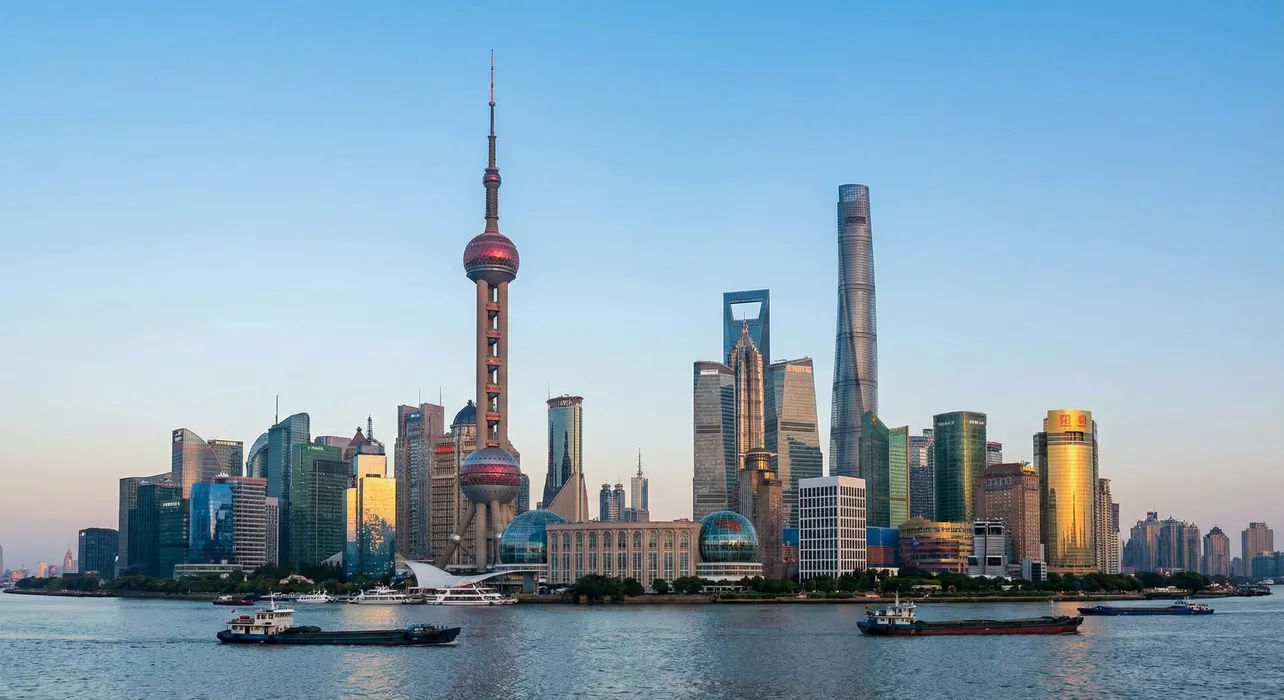
The real innovation in China isn't happening in social media anymore. It is happening in labs that look more like sci-fi movie sets.
While Silicon Valley obsesses over Chatbots, China is quietly building the infrastructure of the future.
We are talking humanoid robots, commercial space fleets, and AI that runs on a fraction of the power.
Here is your watchlist for 2026. These are the companies that will likely be household names (or acquired for billions) in the next 18 months.
1. DeepSeek (The "Efficiency" King)
- Sector: Generative AI
- HQ: Hangzhou
- The Hook: They beat GPT-4 for pennies.
Western AI companies are burning billions of dollars to train models. DeepSeek, founded by quant-trader Liang Wenfeng, took a different approach. They focused on "sparse" architecture.
Why watch them in 2026:
They just released the R1 model. It rivals the best American models but costs about 90% less to run. In a world where AI profitability is the new gold rush, DeepSeek is selling the shovels at a discount.
2. Agibot (The "Tesla Bot" Killer)
- Sector: Humanoid Robotics
- HQ: Shanghai
- The Hook: Founded by a viral "Genius Youth" star.
Meet Peng Zhihui. He is famous in China as "Wild Iron Man." He was a star engineer at Huawei before quitting to build robots.
His company, Agibot (or Zhiyuan Robotics), is building the Expedition A1.
Why watch them in 2026:
Most humanoid robots are just PR stunts. Agibot is already testing in factories. They are targeting a price point of ~$28,000 per robot. That is cheaper than a forklift. If they hit mass production next year, the global labor market changes overnight.
3. GalaxySpace (The "Starlink" Rival)
- Sector: Aerospace / Satellites
- HQ: Beijing
- The Hook: The internet, but from space.
Elon Musk has Starlink. China wants its own version. GalaxySpace is the frontrunner to build it.
Why watch them in 2026:
They aren't just launching satellites; they are building a "space internet" for the Belt and Road Initiative countries. As 6G talks heat up, whoever owns the satellites owns the data standards.
GalaxySpace is currently valuing itself at nearly $2B and is expected to ramp up launches aggressively in Q1 2026.
4. MiniMax (The "Character" Engine)
- Sector: Consumer AI
- HQ: Shanghai
- The Hook: AI that feels human.
While ChatGPT tries to be a smart encyclopedia, MiniMax tries to be your friend. They specialize in "Glow," an AI companion app that is exploding in popularity among Chinese Gen Z.
Why watch them in 2026:
They are betting that the future of AI isn't search - it's companionship. They have backing from Tencent and Alibaba. Rumor has it they are prepping a global launch to challenge Character.ai, but with better voice synthesis and video capabilities.
5. Abogen Biosciences (The Biotech Heavyweight)
- Sector: mRNA Therapeutics
- HQ: Suzhou
- The Hook: Curing cancer with code.
We know mRNA from the COVID vaccines. Abogen is taking that tech and aiming it at cancer.
Why watch them in 2026:
They are currently running clinical trials for an mRNA cancer vaccine. If the data looks good in late 2025, this company becomes one of the most valuable biotech firms on the planet. They have already raised over $1B, so they have the runway to finish the job.
The "Soonicorns" Class of 2026
Keep an eye on these rising stars. They are valued under $1B today but won't be for long.
| Startup | Sector | The "Alpha" |
|---|---|---|
| Unitree | Robotics | They make the "Robot Dog" you see on YouTube. Moving into industrial inspection. |
| Bluepha | Synthetic Bio | They use bacteria to create biodegradable plastics. Massive ESG potential. |
| Moore Threads | GPU/Chips | One of the few Chinese companies trying to build a domestic rival to Nvidia. |
The Vibe Shift
In 2026, the Chinese startup scene is moving from "Soft Tech" (Apps, Games, Shopping) to "Hard Tech" (Atoms, Energy, Space).
For investors and founders, the lesson is simple:
If you can touch it, it's fundable. If it's just code, it better be incredibly efficient.
The world is splitting into two tech ecosystems. We track both. Subscribe to We Are Founders for the full breakdown