
TL;DR: The modern startup landscape is defined by tools that replace entire departments. We vetted over 100 platforms to find the "Founder Friendly" stack where you can build, launch, and grow without a credit card. The data shows that between AI coding assistants and generous free tiers from infrastructure giants, the cost to operate a software business has plummeted.
The Cheat Sheet: Free vs Paid Triggers
This table breaks down when you can stay free and exactly when you need to pull out the wallet.
| Category | The Tool | The Free Tier Cap | The "Pay Now" Trigger |
|---|---|---|---|
| Coding | Cursor | Free for basic usage | You need Pro speed for complex AI diffs. |
| Database | Supabase | 500MB database size | Your app hits substantial user scale. |
| Hosting | Vercel | Unlimited hobby sites | You need commercial or team features. |
| Design | Figma | 3 files and unlimited drafts | You hire a second designer or need Dev Mode. |
| Analytics | PostHog | 1 million events per month | You hit viral scale. |
| Beehiiv | 2,500 subscribers | You want to remove branding or add more team members. | |
| Banking | Mercury | Free accounts | You need advanced treasury features. |
There is too much noise in the software market. New founders often waste weeks debating which project management tool to use instead of actually building their product.
This guide exists to cut through that noise. We have curated this list based on a single criterion: Founder Friendliness.
A tool is "Founder Friendly" if it has a generous free tier, requires zero upfront sales calls, and scales painlessly as you grow.
Here is your definitive stack.
The Build Stack
You no longer need a DevOps engineer to deploy an application.
Cursor (The Editor)
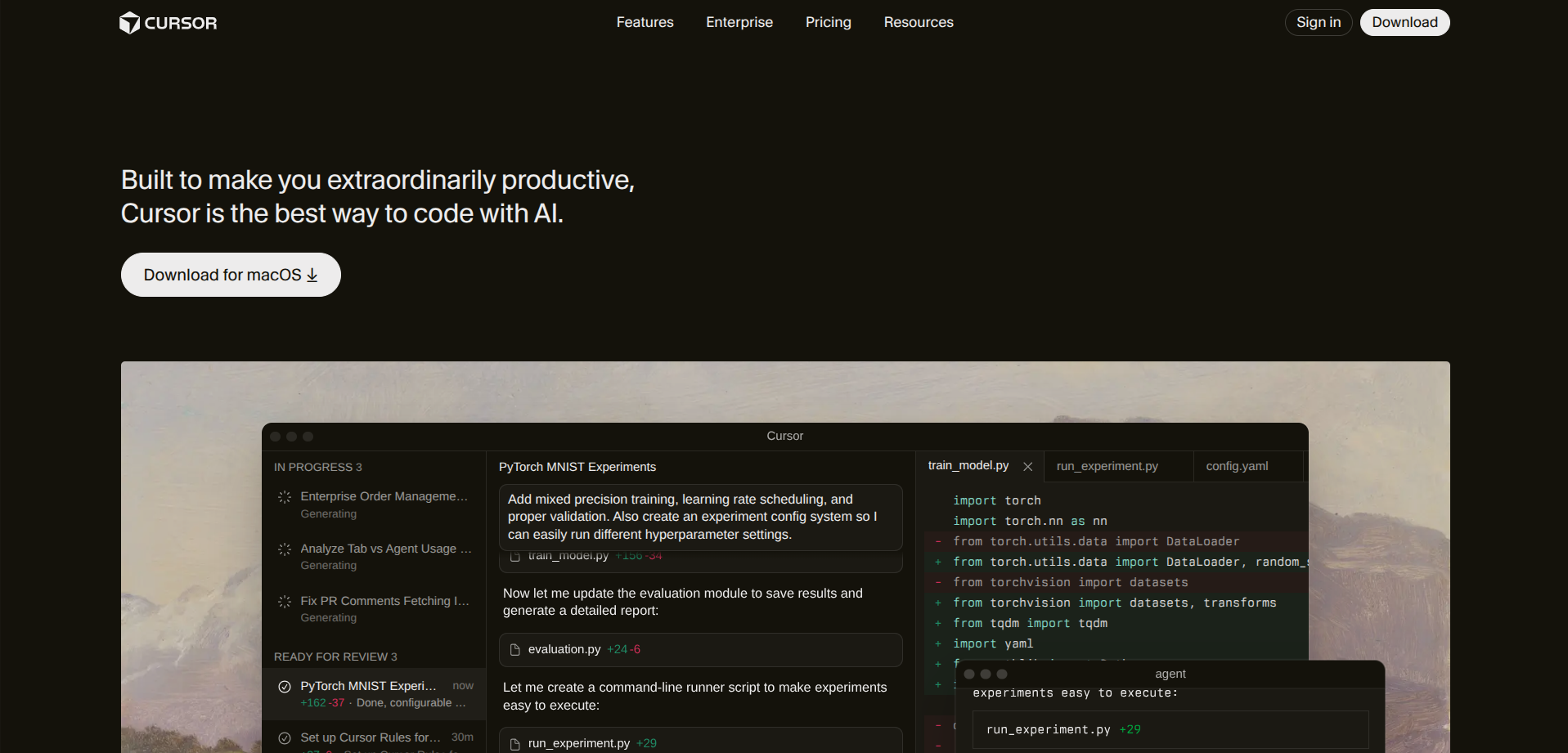
Visual Studio Code is still great, but Cursor has replaced it as the default for independent builders. It integrates AI directly into the terminal and codebase. It allows a single founder to write code at the speed of a three-person team.
Supabase (The Backend)
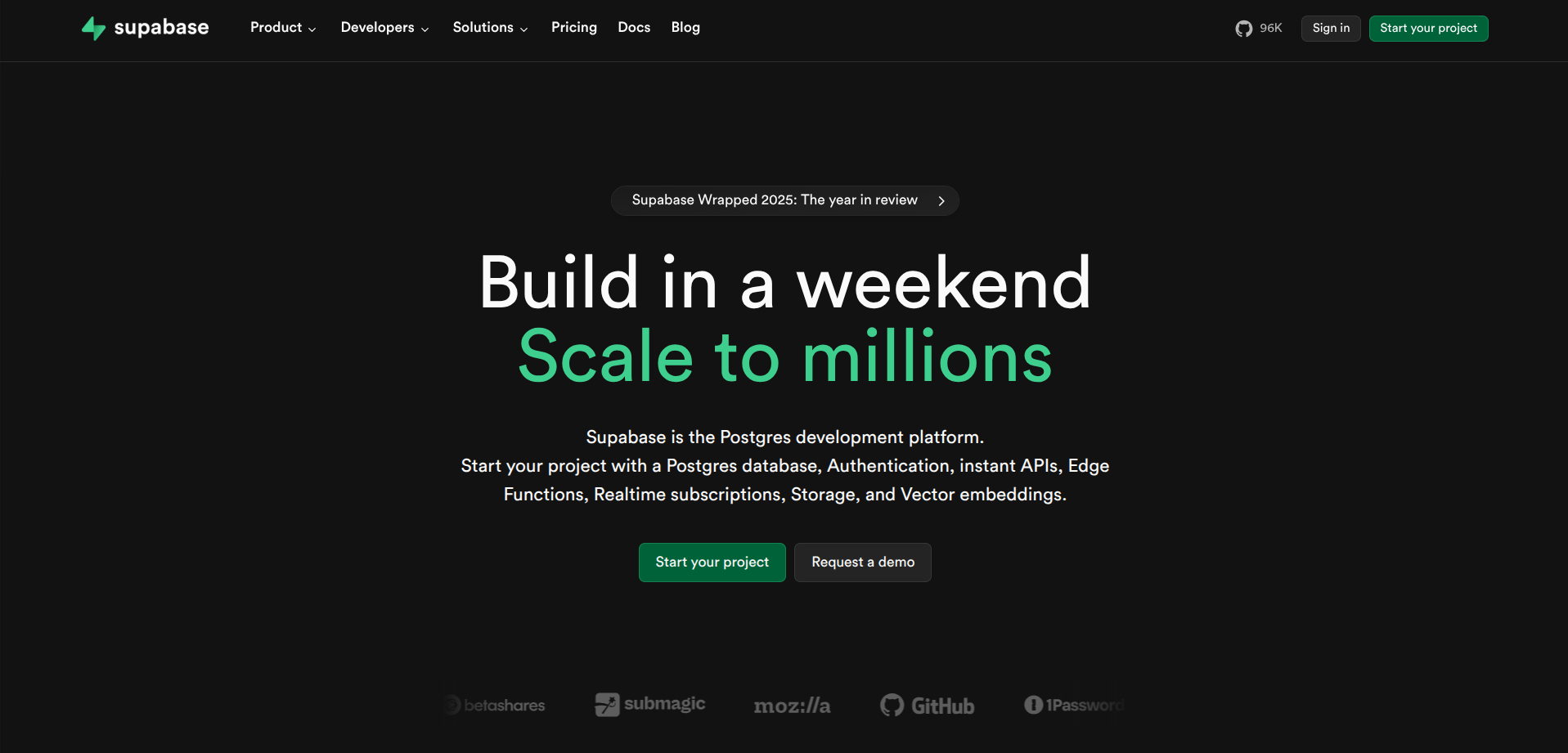
This is the open-source alternative to Firebase. It gives you a database, authentication, and real-time subscriptions out of the box. Their free tier is legendary among indie hackers because it can support thousands of active users before costing a dime.
Vercel (The Deployment)
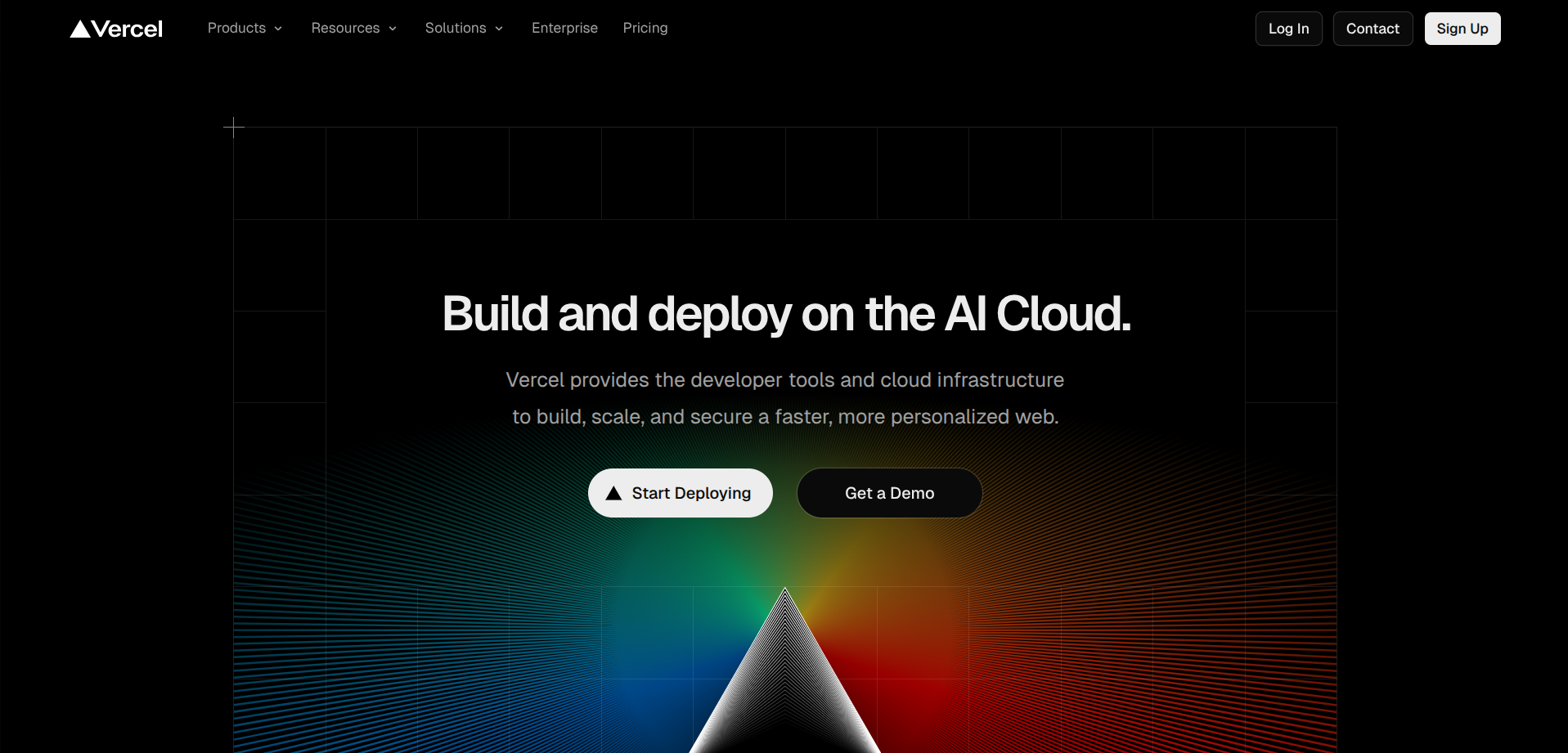
If you are building a web app, Vercel remains the gold standard for hosting. You connect your GitHub repository, and it deploys automatically every time you push code. The global content delivery network ensures your site is fast anywhere in the world.
The Growth Stack
Marketing tools are usually the most expensive line item, but these three buck the trend.
Beehiiv (The Newsletter)
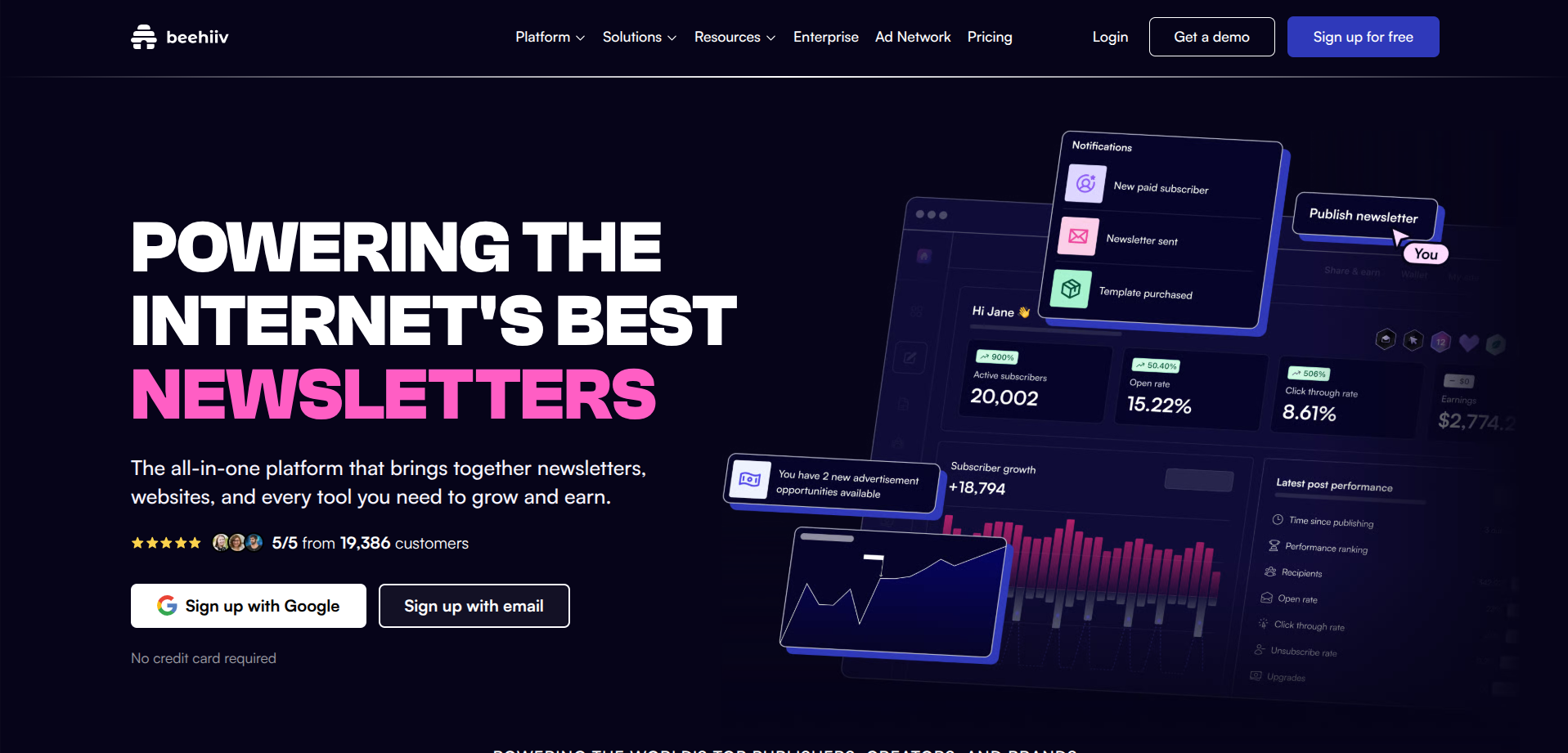
Email remains the highest ROI channel for startups. Beehiiv allows you to build a website and a newsletter in one platform. Unlike competitors that charge you early, Beehiiv lets you grow to 2,500 subscribers for free.
PostHog (The Analytics)
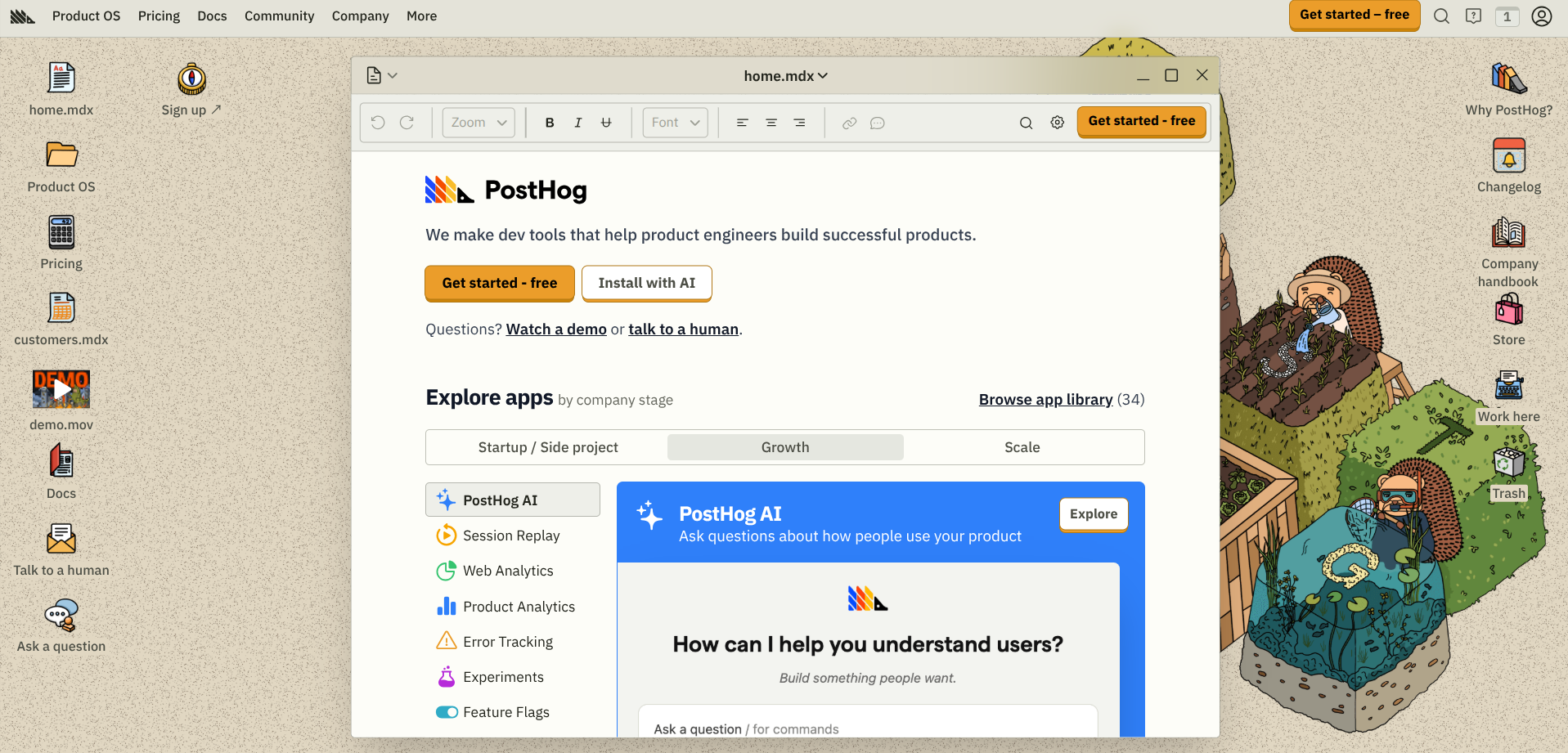
Google Analytics 4 is powerful but overly complex for most early-stage products. PostHog offers product analytics, session recording, and feature flags in one suite. Their free tier includes 1 million events per month, which is enough runway for almost any MVP.
Apollo.io (The Outreach)
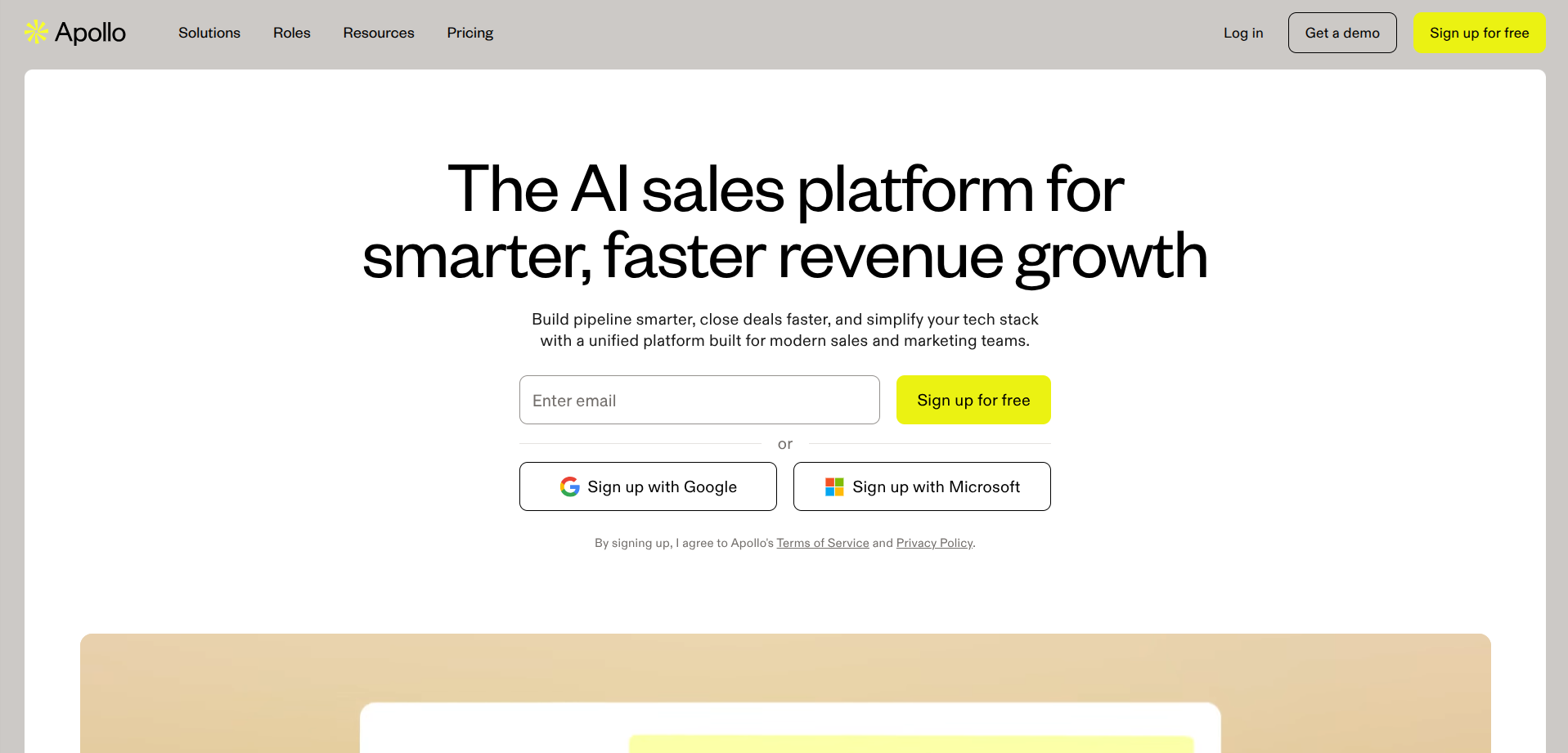
If you are selling B2B, you need to find email addresses. Apollo has the most accurate database of contact information. Their free plan gives you enough credits to send targeted outreach to your first 100 potential customers.
The Operations Stack
These tools act as the operating system for your business.
Notion (The Brain)
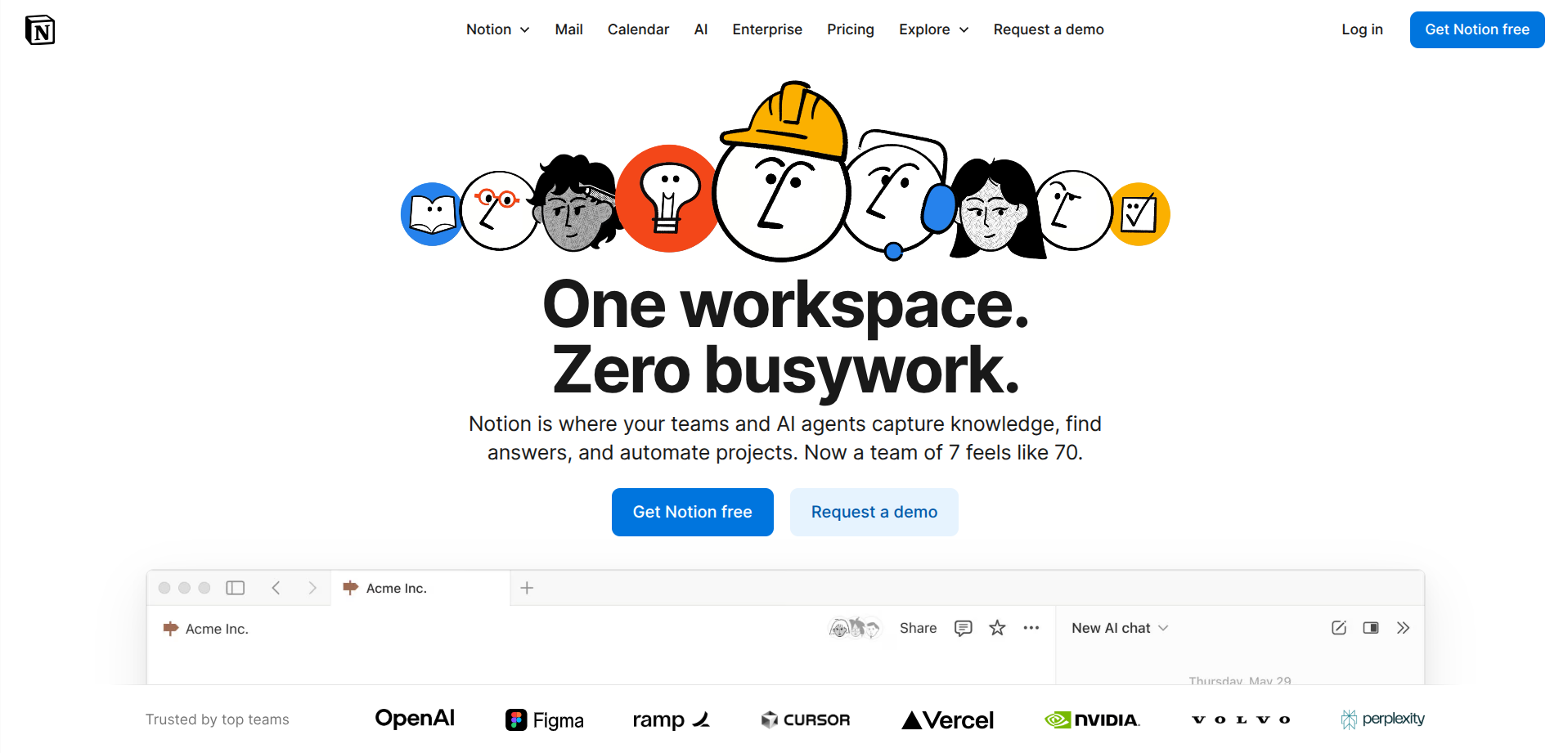
Notion is where your documents, roadmap, and meeting notes live. It replaces Trello, Google Docs, and Asana for early-stage teams. The free plan is robust enough to run your entire company until you start hiring employees.
Mercury (The Bank)
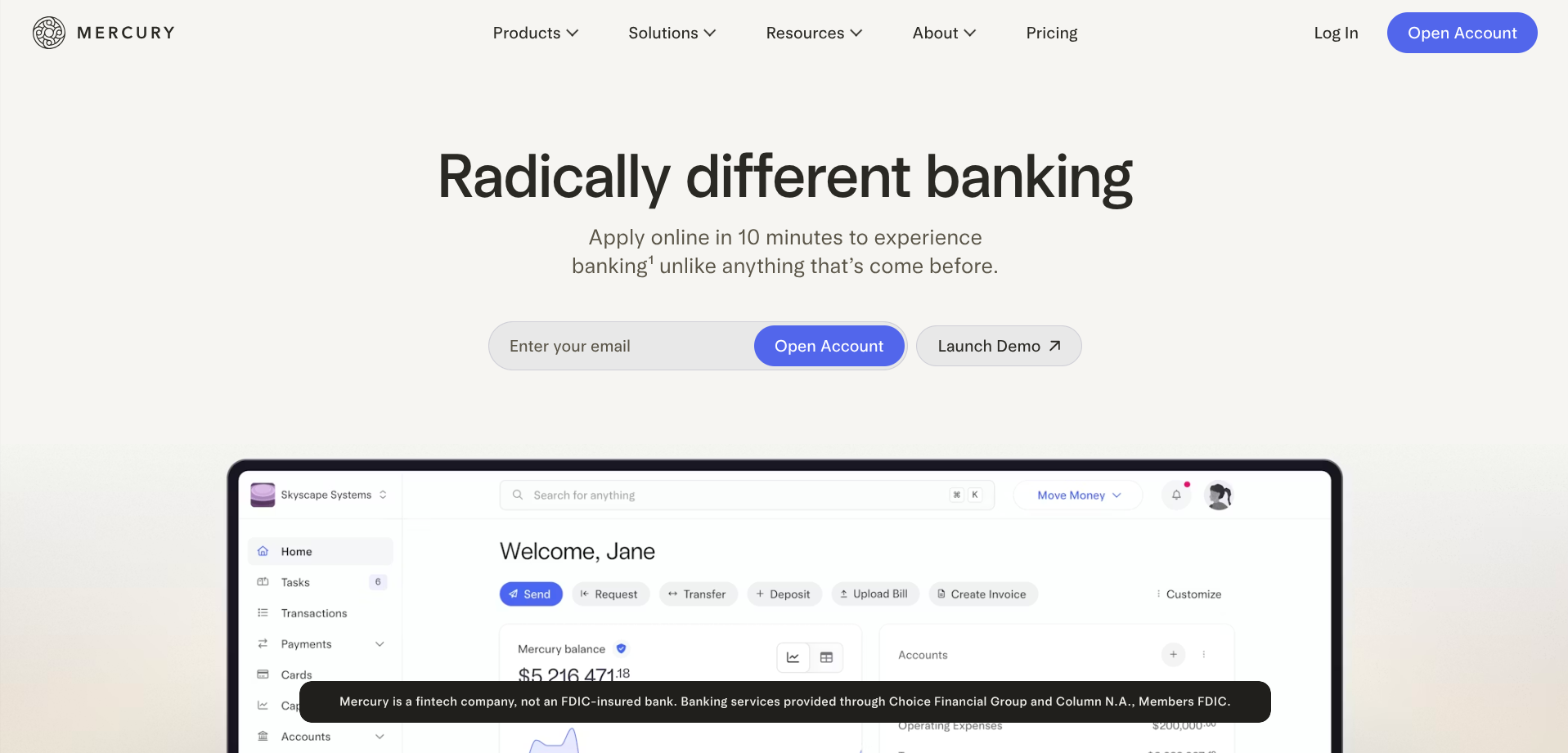
Traditional banks are painful for digital startups. Mercury is built specifically for tech companies with no monthly fees and an interface that actually makes sense. You can set up physical and virtual cards instantly for your expenses.
Stripe Atlas (The Entity)
When you are ready to incorporate, Stripe Atlas is the safest bet. It handles the formation of your Delaware C-Corp and sets up your tax ID for a one-time fee.
The Design Stack
You do not need to be an artist to have a professional brand.
Figma (The Interface)
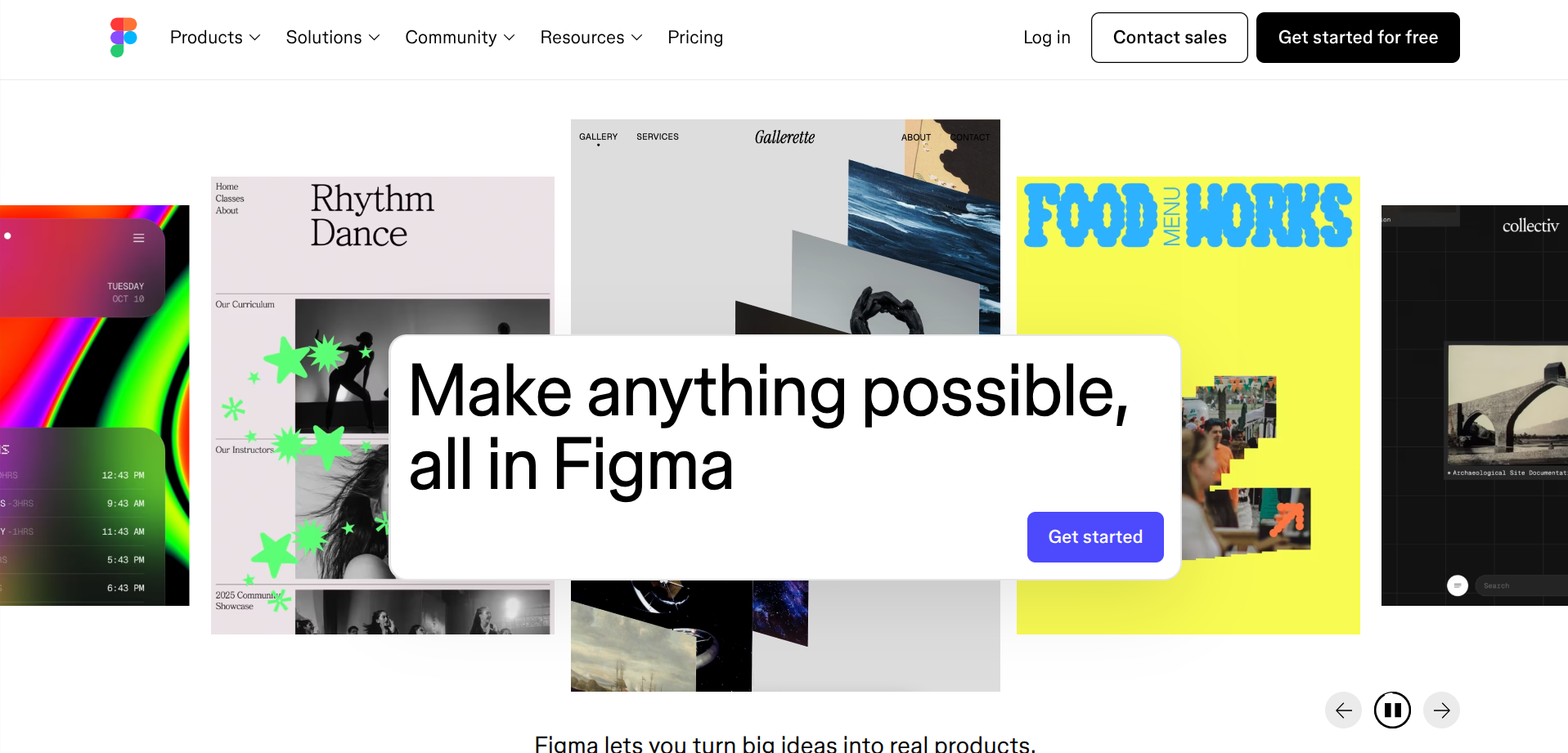
Figma is the industry standard for interface design. It runs in your browser and allows for real-time collaboration. Even if you are not a designer, the community offers thousands of free UI kits you can copy and paste.
Canva (The Marketing Assets)
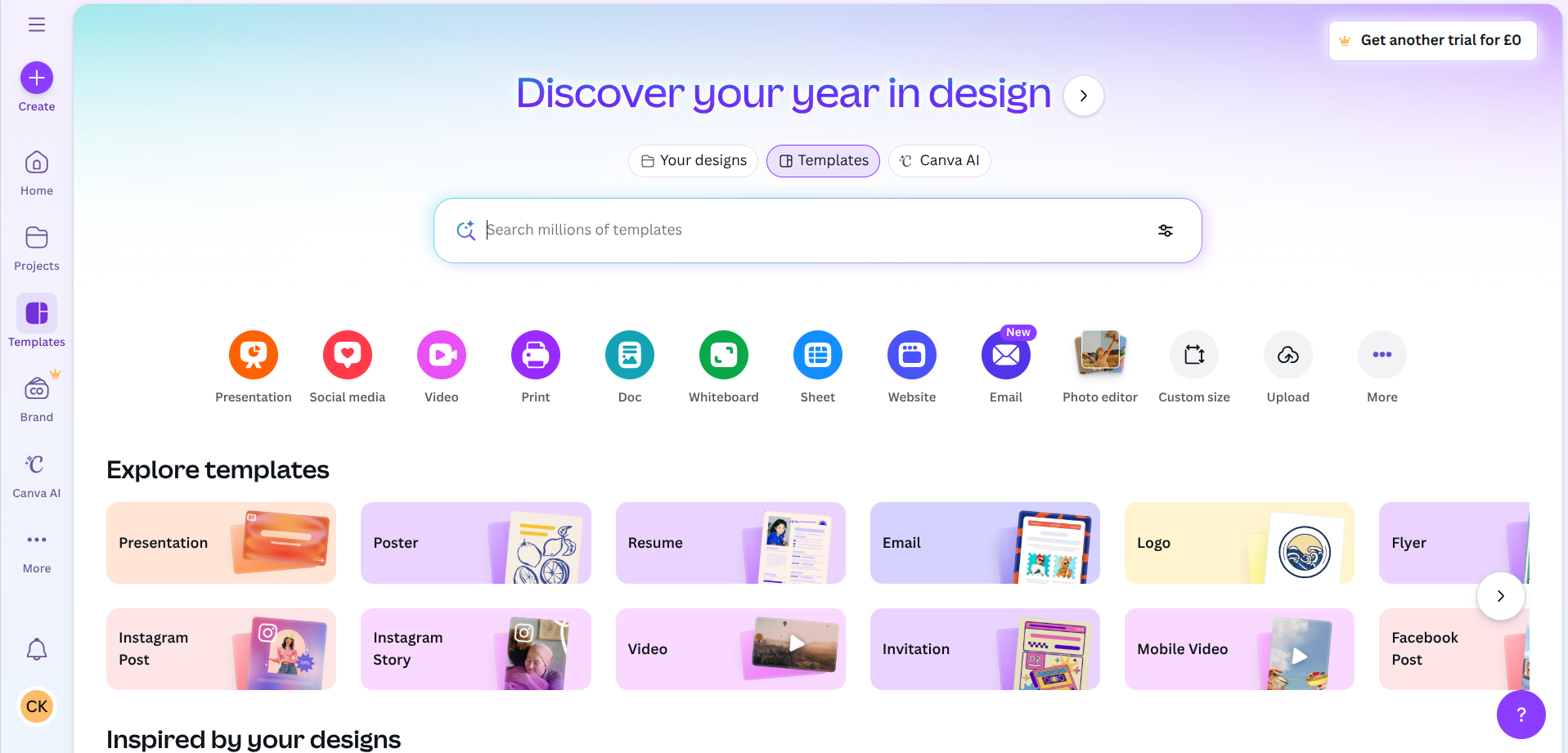
For social media graphics and pitch decks, Canva is faster than professional tools. Its "Magic Studio" features use AI to resize images and generate layouts automatically. It bridges the gap between a blank page and a finished asset.
The cost of failure has never been lower. You can spin up this entire stack for $0 upfront.
The only thing stopping you from building your idea is the effort required to start.
Don't let "tool research" become a form of procrastination. Pick these tools, set them up in an afternoon, and get back to work.

