
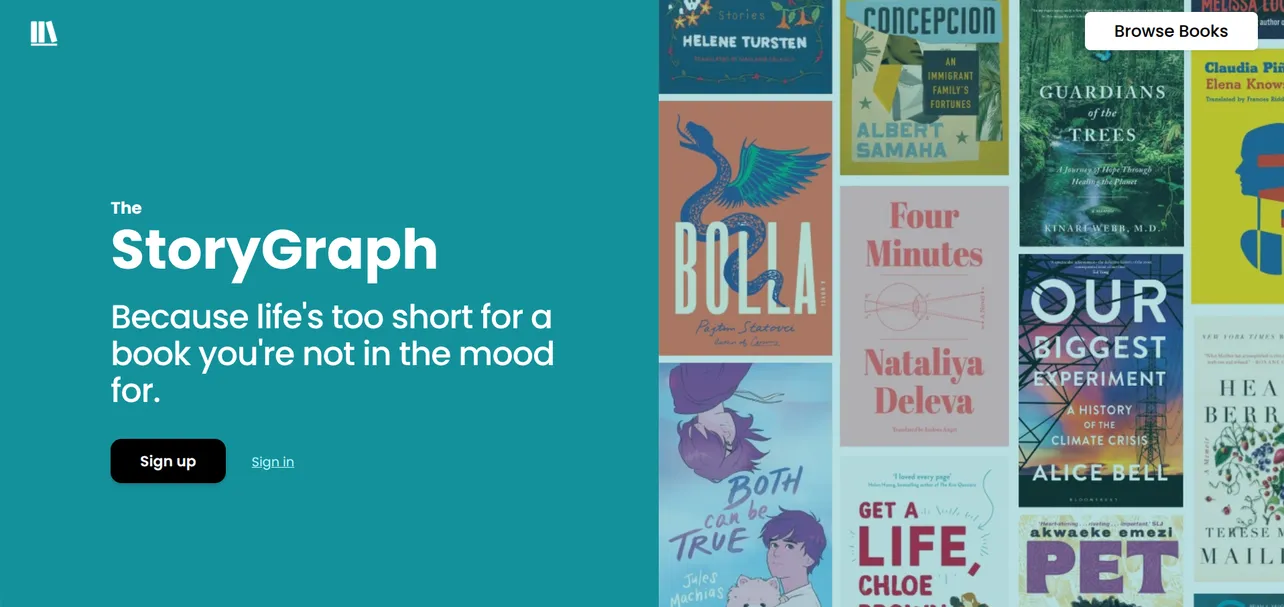
Most apps with 5 million users have a team of investors behind them, a cluttered ad experience, or both. The StoryGraph has neither.
Founded in 2019 by software engineer Nadia Odunayo, The StoryGraph is a fully bootstrapped, independently owned book tracking platform. No venture capital. No corporate parent company. No advertising revenue whatsoever.
So how does a free-to-use app competing against Amazon's Goodreads (which has an estimated 150 million users and the backing of one of the world's largest companies) actually keep the lights on?
The answer is a lean freemium model, a growing B2B revenue stream from authors and publishers, and a community that was willing to fund the platform before any formal monetization even existed.
Here's how each revenue stream works.
 Mia Jones
1. StoryGraph Plus: The Core Revenue Engine
The foundation of StoryGraph's business model is a paid subscription tier called StoryGraph Plus. The core platform is completely free, and genuinely usable at that level: you can track books, set reading goals, access mood-based recommendations, and view basic stats without paying anything.
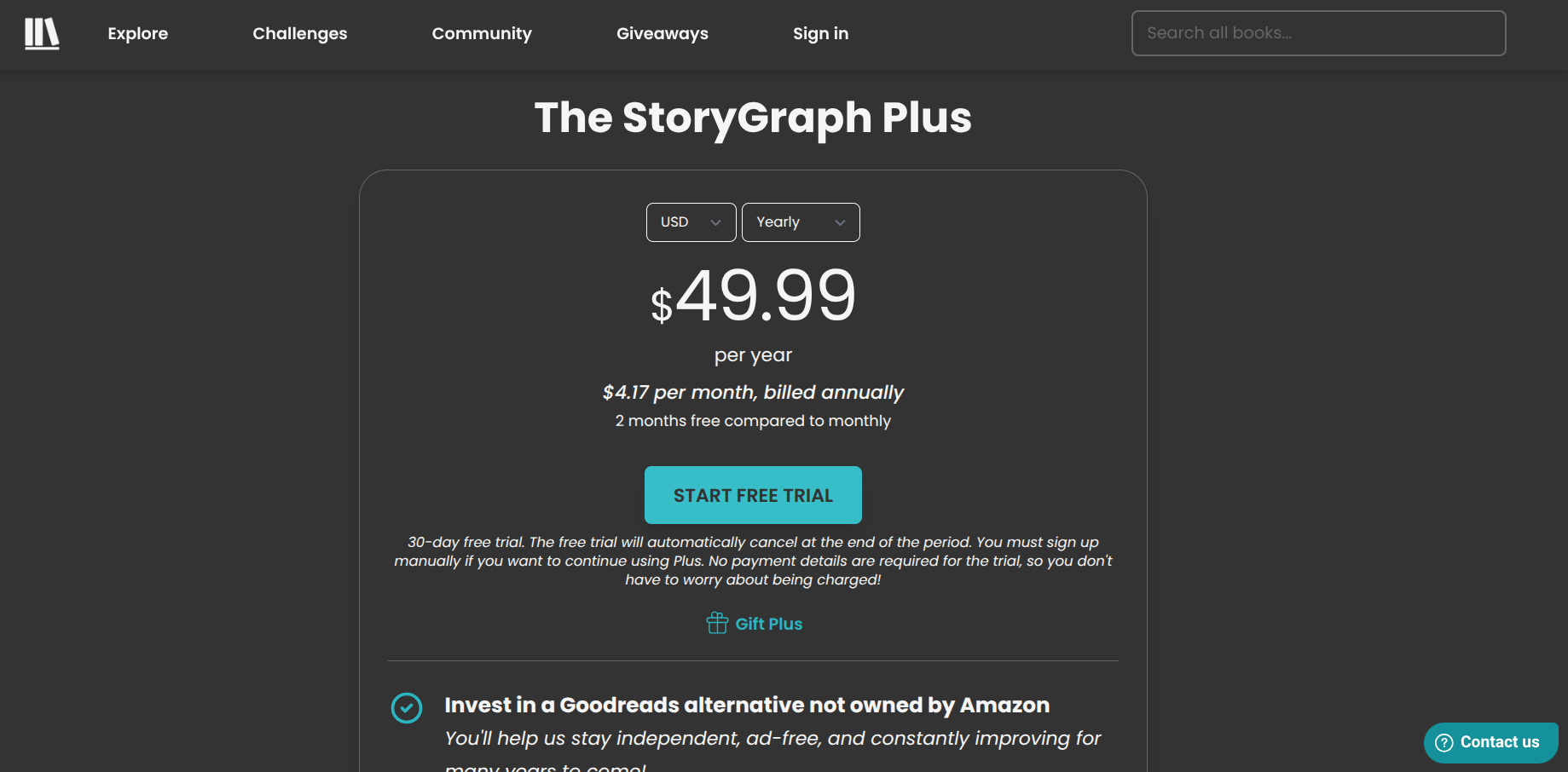
Plus unlocks the data-heavy features that appeal to serious readers and stats enthusiasts. Pricing sits at a few dollars per month or roughly $40 to $50 per year, depending on the plan.
Here's what subscribers get:
Custom Charts and Advanced Statistics
Plus members can generate personalised pie and bar charts based on their own reading tags. If you want to know what percentage of your 2025 reading was "dark academia" vs "cosy fantasy," this is where that lives.
Comparative Data Across Time Periods
Subscribers can compare reading stats between any two segments of their library: year-over-year genre breakdowns, their to-read pile vs their owned books, or even their reading habits compared against another user's. Exclusive year-on-year charts also unlock when comparing across calendar years.
"Up Next" Suggestions
AI-powered recommendations that specifically analyse your existing to-read pile and surface what to pick up next. This is one of the features that genuinely differentiates Plus from the free tier: it's personalised to books you've already saved, not just generic suggestions.
Buddy Read Suggestions
Plus members can get the platform to recommend a book for group buddy reads, a nice social feature for reading groups who can't agree on what to pick next.
Roadmap Influence
This is an unusual one. Plus subscribers can vote and comment on upcoming features via StoryGraph's public roadmap, helping shape what gets built. Free users can see the roadmap but can't participate directly.
Priority Support
Faster response times on support tickets and book information update requests.
StoryGraph also offers a 30-day free trial for Plus, and notably, it doesn't require payment details upfront. The trial automatically cancels at the end of the period, so there's no sneaky auto-billing. That kind of user-first approach runs through the entire product.
2. Author and Publisher Giveaways: The B2B Revenue Stream
The second revenue stream is newer and aimed at the supply side of the book world: authors and publishers.
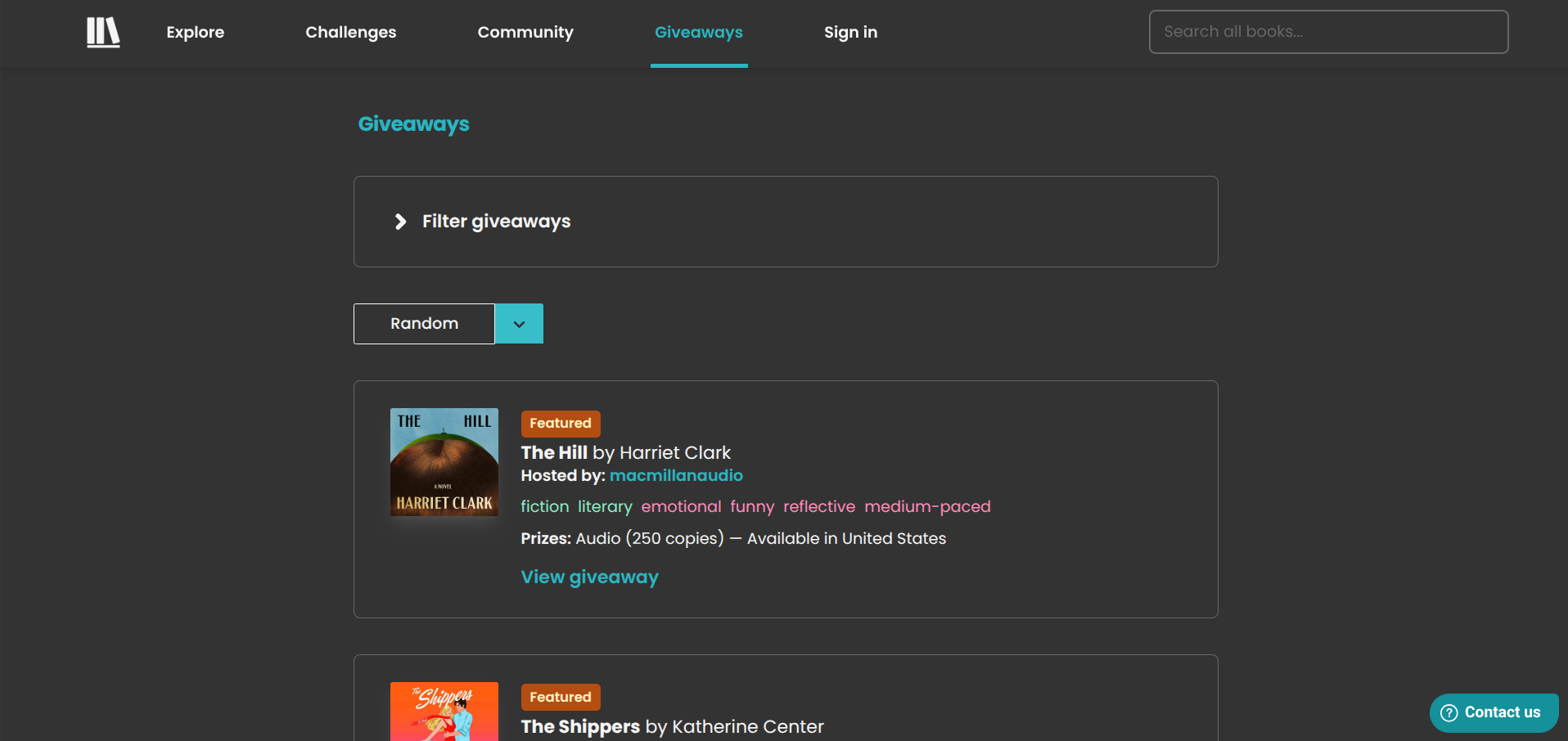
StoryGraph runs a dedicated giveaway platform where authors (both traditionally published and indie) pay a fee to host book giveaways to StoryGraph's audience. The platform launched in beta back in September 2022, ran at half-price for years during the testing phase, and officially came out of beta in March 2026.
There are two tiers:
Standard Giveaways
Priced at $99 per giveaway. These get listed in the giveaway section with all the standard filters and discovery features. Authors can offer print, digital, and audio prizes within a single giveaway at no extra cost, and giveaways can be opened to readers in up to 177 countries.
Premium Giveaways
Cost $499 per giveaway. These are featured at the top of the giveaway listing, promoted on the homepage, and include the ability to send a custom message to entrants who didn't win (useful for converting giveaway participants into newsletter subscribers or future buyers).
StoryGraph's audience skews toward readers who specifically chose an independent, non-Amazon platform, which means they're often the kind of readers who buy from indie bookshops, support smaller publishers, and engage deeply with the books they pick up.
Early results from authors who participated during the beta phase were encouraging. Standard giveaways during beta were generating thousands of entries and tens of thousands of impressions, even for relatively unknown titles. One indie author reported over 62,000 impressions and 2,500 entries on a standard giveaway for a debut novel.
For StoryGraph, giveaways represent a clean B2B revenue line that doesn't compromise the reader experience. No ads in the feed, no sponsored content disguised as recommendations. Authors pay for visibility within a dedicated section, and readers opt in by browsing giveaways.
It's a smart monetization layer that serves both sides.
3. Early Days: Community Crowdfunding
Before Plus subscriptions existed and before giveaways generated any revenue, StoryGraph survived on something simpler: community support.
Early adopters who wanted a genuine, independent alternative to Goodreads funded the initial development through direct tips and recurring donations. Platforms like Patreon and Ko-fi were the primary channels. Readers who believed in the mission of an ad-free, non-Amazon book platform contributed directly to keep development moving forward.
This phase matters because it shaped the company's relationship with its user base. StoryGraph wasn't built to satisfy investor growth metrics or hit advertising KPIs.
It was built to serve readers, and readers funded it accordingly. That foundation of trust is a genuine competitive advantage: when your community has literally paid to keep you alive before you had a product worth charging for, the incentive to protect that relationship runs deep.
Odunayo has been explicit about the bootstrapped philosophy.
In a Guardian interview, she confirmed the company has taken zero external investment and has no interest in changing that. The StoryGraph is structured as a for-profit UK limited company (The StoryGraph Ltd.), not a VC-backed startup chasing an exit.
What StoryGraph Doesn't Do (And Why It Matters)
Understanding how StoryGraph makes money also means understanding what it deliberately avoids.
No Advertising
There are no display ads, no sponsored placements in your feed, and no retailer nudges pushing you toward Amazon listings. For a platform with millions of users, this is a significant revenue stream left on the table by choice.
No Data Selling
Your reading habits, preferences, and personal data stay on the platform. There's no third-party data monetization happening behind the scenes.
No Amazon Integration
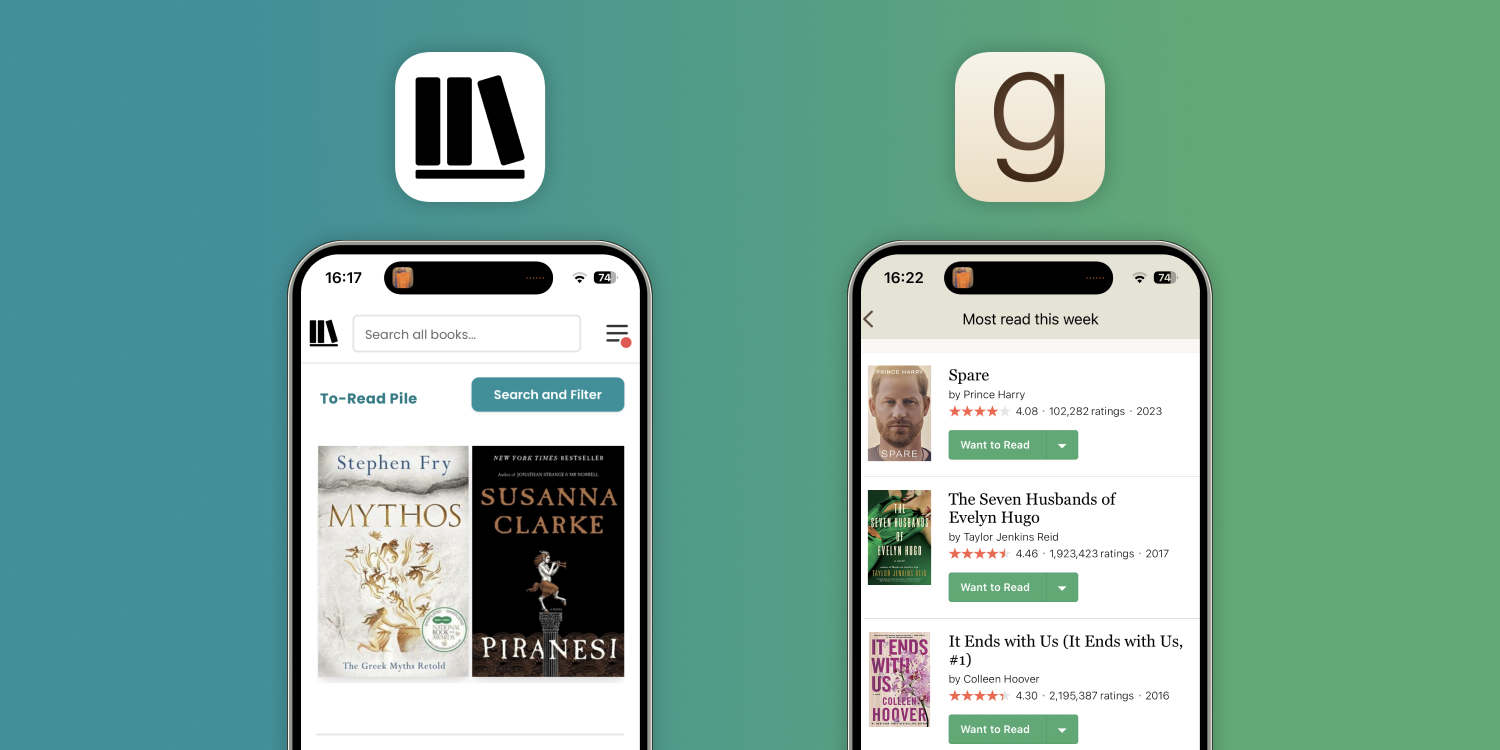
Unlike Goodreads, which is deeply embedded in Amazon's e-commerce ecosystem and designed to funnel readers toward purchases, StoryGraph has no retail agenda. Book recommendations are based on what you'll enjoy reading, not what Amazon wants to sell.
This restraint is central to the brand. Readers migrating from Goodreads consistently cite independence from Amazon as the primary reason for switching. StoryGraph's business model reinforces that positioning at every level.
Can This Model Scale?
The question every bootstrapped company faces: is this sustainable at scale?
The signs are encouraging. StoryGraph passed 4 million users in April 2025 and hit 5 million by January 2026. The iOS app won a 2025 App Store Award, which drove significant visibility. And the giveaway platform's full launch in 2026 opens a revenue stream that scales with the author and publisher market rather than relying solely on reader subscriptions.
The freemium model also has natural expansion opportunities.
As the platform adds features (community tools, enhanced social features, deeper analytics), the Plus tier becomes more compelling. And unlike ad-supported platforms that need to constantly grow pageviews to maintain revenue, a subscription model rewards engagement depth over engagement breadth.
Odunayo has described StoryGraph as her "life's work" and stated she wants it to become the most popular book app in the world. For a company that's reached 5 million users with no external funding, no ads, and a team that still personally answers user messages, that ambition looks less like startup hyperbole and more like a credible long-term plan.
FAQ
Is The StoryGraph free to use?
Yes. The core platform is completely free, including book tracking, reading goals, mood-based recommendations, and basic statistics. StoryGraph Plus is an optional paid upgrade for advanced features.
How much does StoryGraph Plus cost?
StoryGraph Plus is priced at a few dollars per month, with an annual plan available at a discount. There's a 30-day free trial that doesn't require payment details, so you won't be charged unless you actively sign up after the trial ends.
Does StoryGraph sell user data?
No. StoryGraph does not sell user data or run any third-party data monetisation. Revenue comes from Plus subscriptions and paid author giveaways.
How do StoryGraph giveaways work for authors?
Authors and publishers pay a fee to host book giveaways on the platform. Standard giveaways cost $99 and premium giveaways (with homepage promotion and extra features) cost $499. Giveaways can include print, digital, and audio formats and reach readers in up to 177 countries.
Is StoryGraph owned by Amazon?
No. StoryGraph is an independent, bootstrapped UK company founded by Nadia Odunayo. It has taken zero external investment and has no affiliation with Amazon.
How many users does StoryGraph have?
As of January 2026, StoryGraph had surpassed 5 million user signups.