
Keeping your on-site employees safe from harm involves carrying out workplace risk assessments - but just what types of risk assessments should you be conducting?
In this post, we’ll look at some of the major workplace hazard audits worth carrying out and how to carry them out properly.
Fire risk assessment (FRA)
One of the most important workplace risk assessments is a FRA.
Under the Regulatory Reform (Fire Safety) Order 2005, every UK business must carry out this inspection in order to make sure there are no fire hazards like faulty wiring or incorrectly used flammable materials, as well as planning escape routes and making sure safety features like alarms are installed.
FRAs can be carried out by the employer and should ideally be carried out annually.
COSHH risk assessment
Control of Substance Hazardous to Health (COSHH) Regulations require risks such as use of chemicals and control of fumes to be assessed.
This is important for preventing injuries or illnesses caused by exposure to substances like cleaning liquids or dust from workshop machines. You can carry out these inspections yourself or hire a third-party inspector.
Portable appliance testing (PAT)
Portable appliance testing involves testing the electrical safety of appliances like kettles and computers.
This can involve checking for damage and testing insulation to make sure appliances aren’t a fire hazard. A PAT testing company can carry out this assessment for you.
LEV (local exhaust ventilation) system check
For industries like manufacturing, it is crucial to make sure LEV systems are working properly so that harmful dust and fumes are being extracted properly.
While workers may be able to carry out routine weekly checks, periodic thorough examinations and tests (TExTs) should be carried out by a qualified professional.
PPE (personal protective equipment) inspection
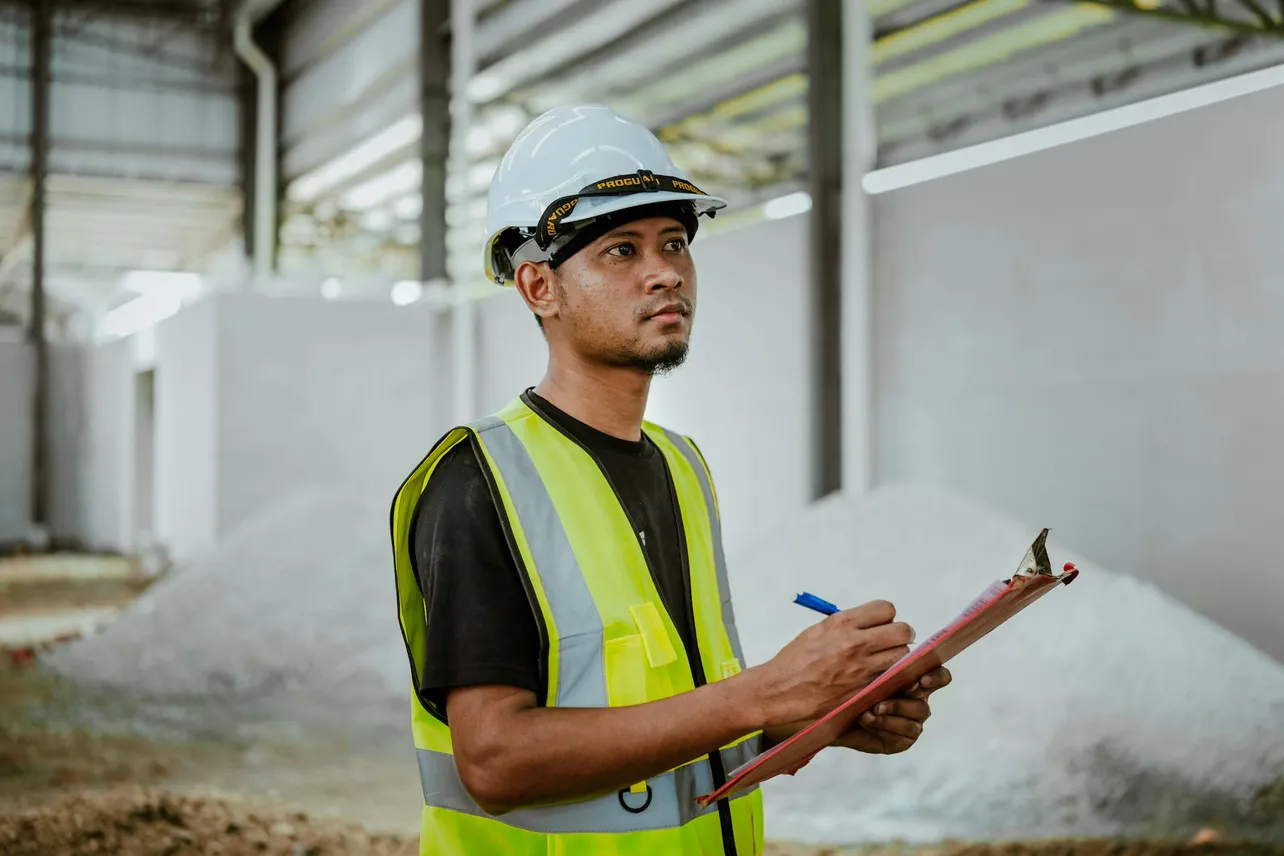
PPE at Work Regulations require personal protective equipment like gloves and helmets to be regularly inspected.
This includes making sure they are clean and in good condition. Such inspections are particularly important in industries like construction where PPE is worn daily.
DSE (display screen equipment) assessment
Poorly set up screens at desks can lead to eye strain and back pain.
A DSE assessment can help to make sure that each workstation is ergonomically laid out and that lighting is not too harsh as to cause screen glare. All office-based companies should consider this assessment whenever there is a chance of layout.
Manual handling risk assessment
Manual Handling Operations Regulations require lifting and carrying tasks to be evaluated.
This includes not just training employees how to lift heavy items properly, but also making sure that equipment like trolleys and lifts are provided when necessary. Such an assessment is most necessary in workplaces like warehouses where musculoskeletal disorders can be a risk.
Working at heights risk assessment
Finally, a working at heights risk assessment could be mandatory if employees work from ladders or scaffolding.
This includes making sure that features like guard rails and safe access are provided when necessary, as well as training employees how to safely work at heights.
As an employer, you can carry out this assessment. In industries like construction, such assessments should be carried out at each new site.

