


You know that feeling when you promise yourself you'll finally start meditating, exercising, or writing daily? Then three days later, you've completely forgotten about it.
Building habits is hard.
But research shows it takes an average of 66 days to form a new habit, but most people quit after just a few attempts. The problem isn't your willpower. You just need the right system to track progress and maintain momentum.
That's where habit tracking apps come in. We've tested the best options for founders and indie hackers who want to optimize their routines without adding another layer of complexity to their already busy lives.
How We Chose the Best Habit Tracking Apps
As builders ourselves, we understand what makes a habit tracker actually useful versus just another app collecting digital dust. We evaluated these tools based on three key factors.
- Simplicity: Can you log a habit in under 5 seconds?
- Motivation: Does it keep you engaged beyond the first week?
- Flexibility: Can it adapt as your routine evolves?
Top Apps for Building Better Habits
Streaks
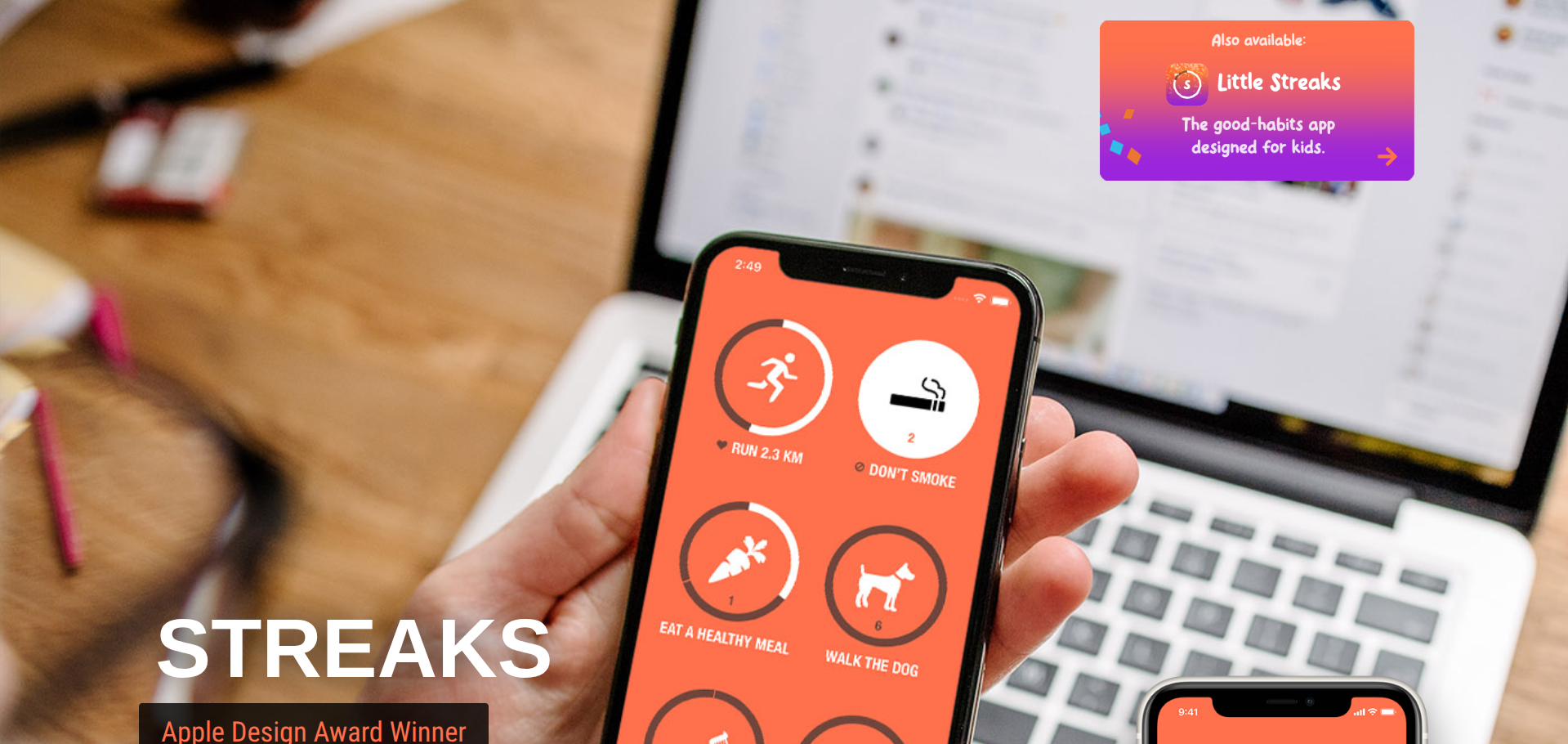
Best for: iPhone users who want something beautiful and minimal.
Streaks takes the "don't break the chain" method and turns it into an elegant iOS experience. You can track up to 12 habits, and the app focuses on maintaining consecutive days of completion.
- Key Feature: Deep integration with Apple Health and custom icons for each habit.
- Why it works: The visual streak counter creates genuine motivation. Breaking a 30-day streak feels worse than starting from zero, so you'll push through those tough days.
The app costs $5.99 as a one-time purchase with no subscription required. It also syncs across all your Apple devices, making it easy to check off habits whether you're on your phone, iPad, or Apple Watch.


Habitica
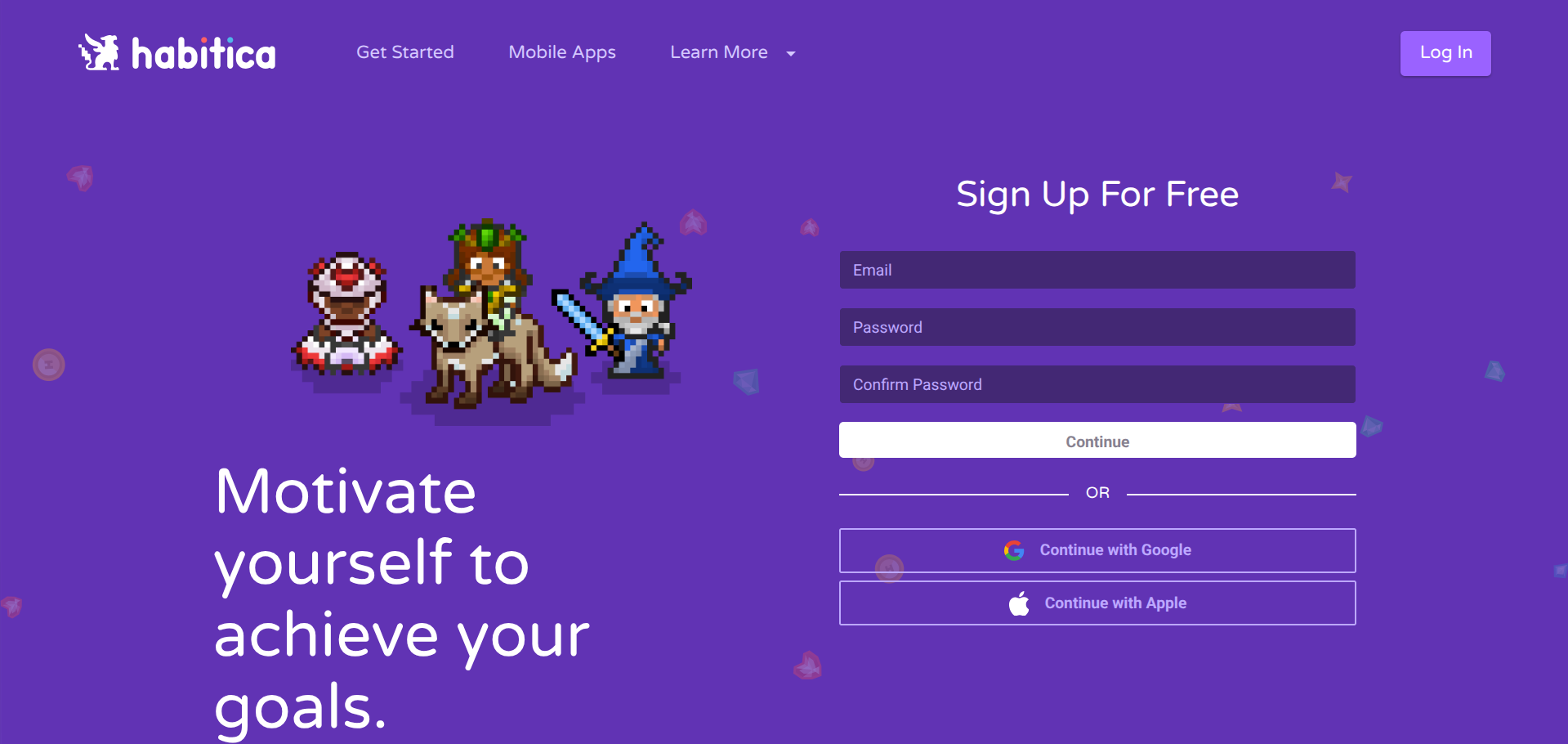
Best for: People who grew up playing RPGs and respond to gamification.
Habitica transforms your life into a literal role-playing game. Every habit you complete earns experience points and gold. Skip a habit and your character takes damage.
- Key Feature: You can customize your avatar, join guilds with other users, and battle monsters by completing real-life tasks.
- Why it works: The gamification isn't just surface level. You genuinely feel invested in keeping your character alive, which translates into maintaining your actual habits.
The base app is completely free, though you can purchase gems for cosmetic upgrades. The social aspect also adds accountability since you can team up with friends who will notice if you're slacking.


Strides
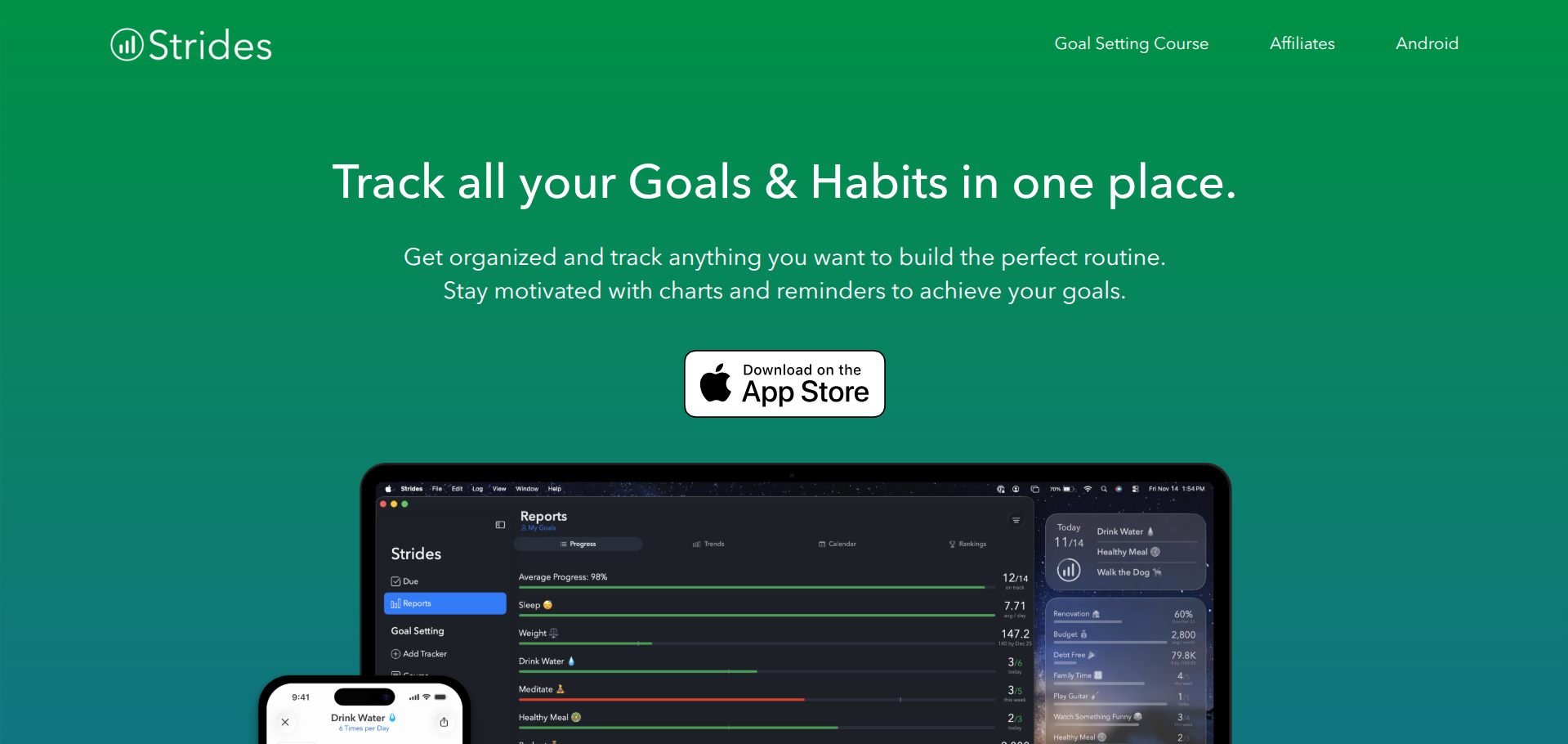
Best for: Founders tracking multiple types of goals simultaneously.
Most habit trackers force you into a daily yes/no checkbox. Strides gets more flexible. You can track habits that happen multiple times per day, weekly goals, target amounts, or even averages over time.
- Key Feature: Advanced tracking types like "run 3 times per week" or "meditate for 100 total minutes this month."
- Why it works: Your actual habits don't fit into neat daily boxes. Strides respects that reality.
The free version allows up to 4 active trackers. The Premium version ($4.99/month) removes all limits and adds advanced charts showing trends over time. It's available on iOS with Apple Watch support.


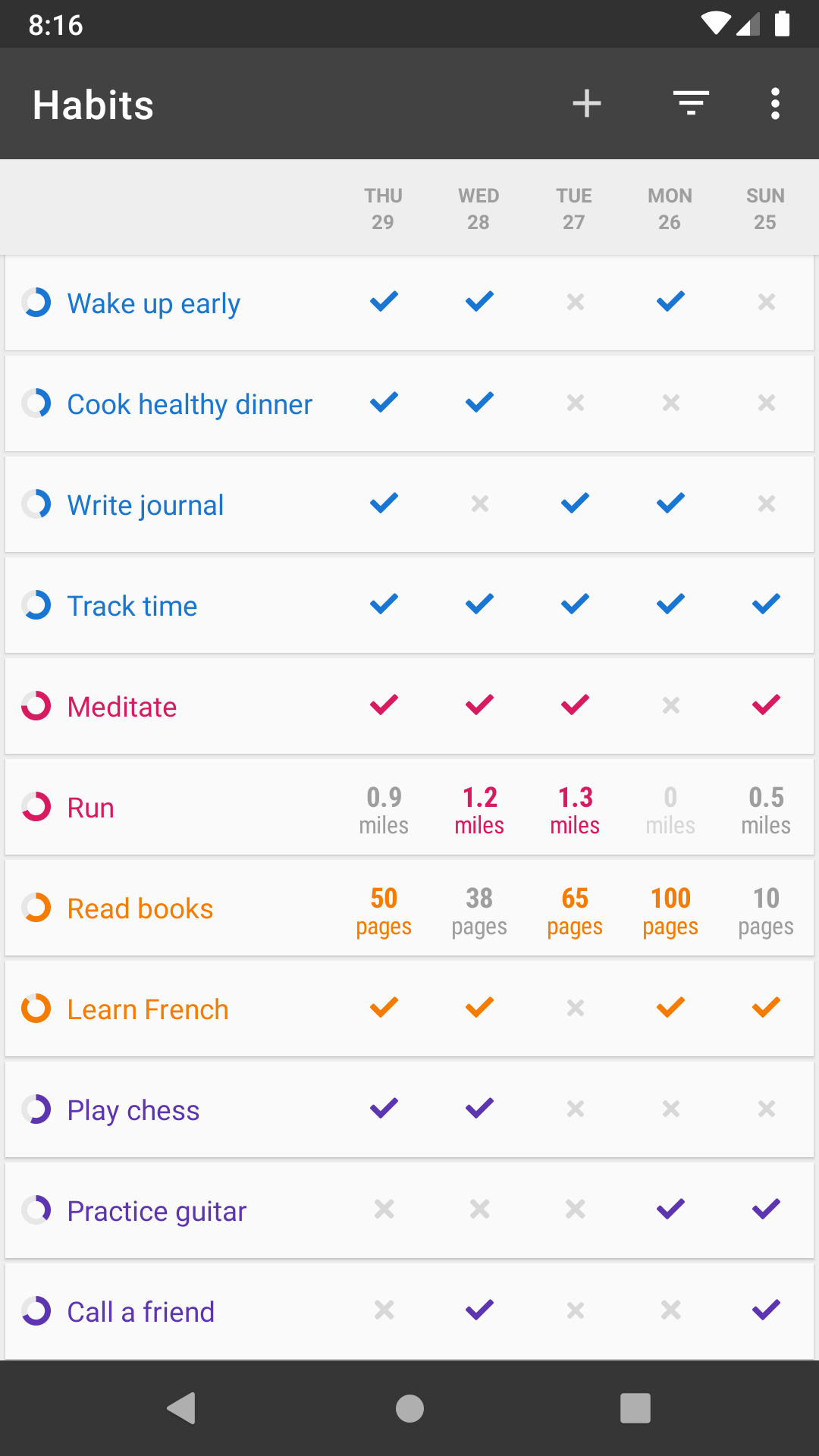
Loop Habit Tracker
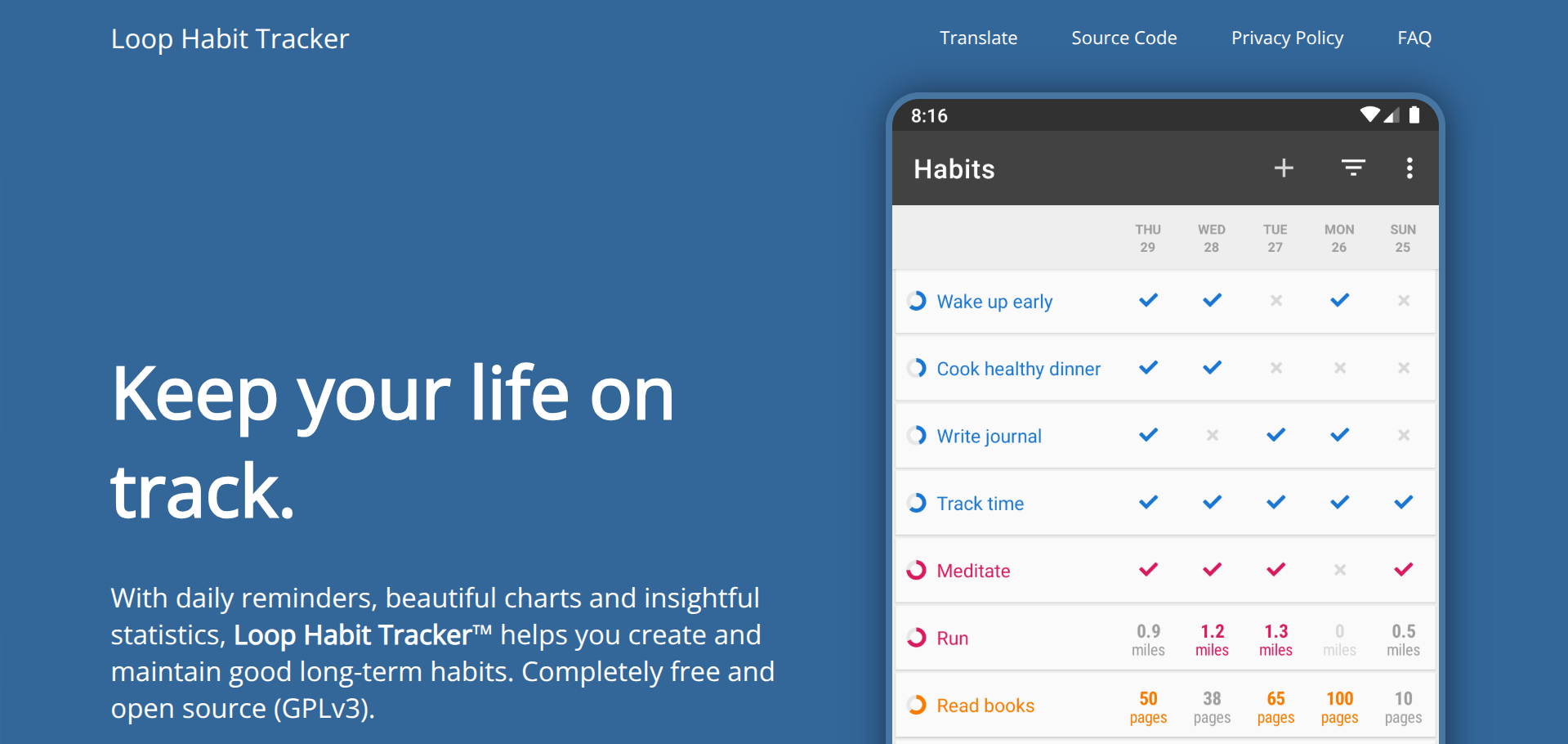
Best for: Android users and privacy-conscious builders.
Loop is completely free, open source, and works entirely offline. No account needed, no data collection, and no premium upsells trying to extract money from you.
- Key Feature: Beautiful graphs showing your success rate over different time periods plus detailed statistics.
- Why it works: The app calculates a "strength" score for each habit based on your consistency. Watching that percentage climb from 0% to 80% provides tangible proof of progress.
Despite being free, Loop includes features many paid apps lack. You can set custom frequencies, create advanced reminders, and export all your data whenever you want. The minimalist design keeps everything focused on what matters.

Productive
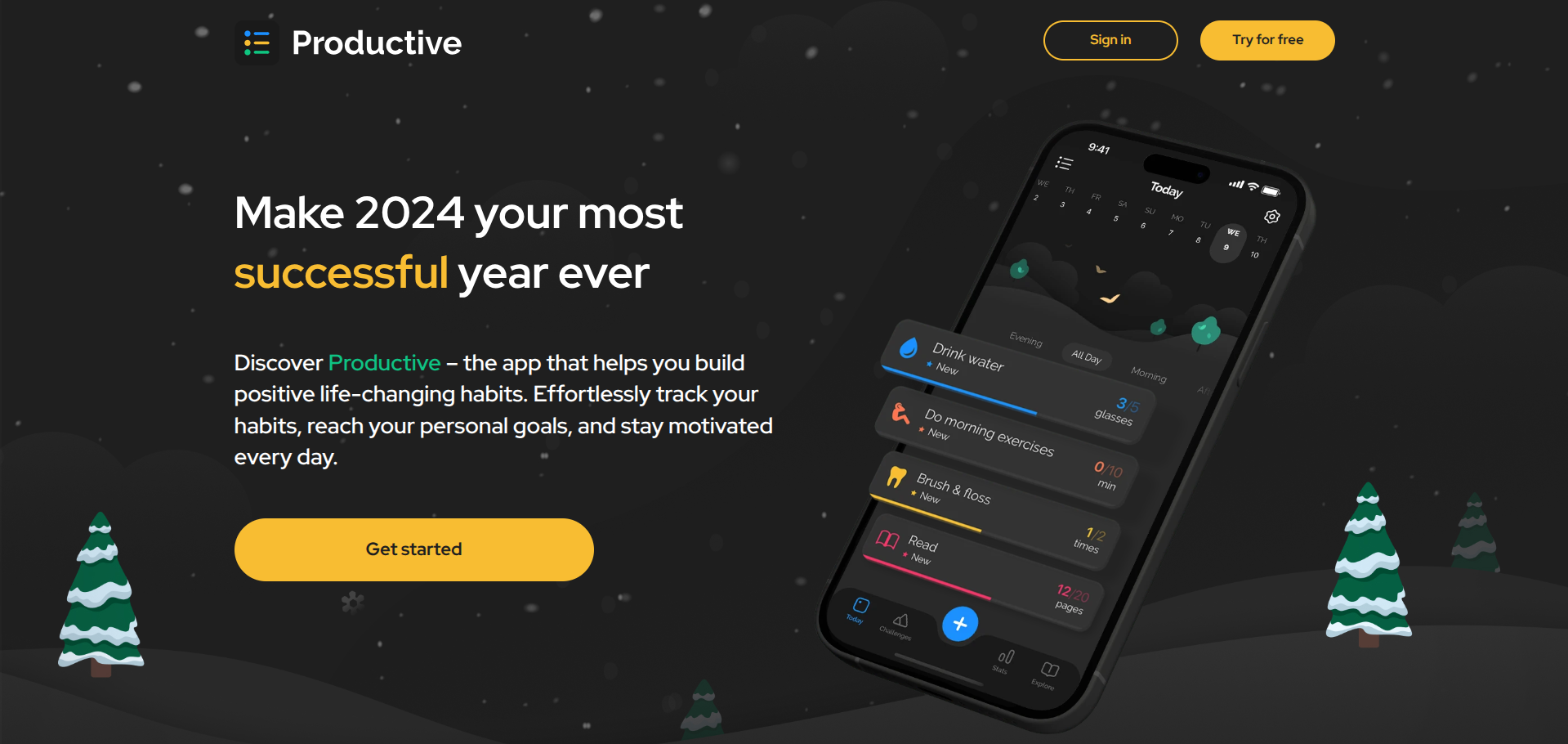
Best for: People with complex schedules who need smart reminders.
Productive shines when you have habits that don't happen at the same time every day. The intelligent reminder system adapts based on when you actually tend to complete tasks.
- Key Feature: Time-based habit tracking that shows completion rates for morning, afternoon, and evening separately.
- Why it works: You can see which parts of your day are strong versus where you consistently fall off. That insight helps you restructure your routine more effectively.
The free version supports up to 5 habits. Premium ($6.99/month or $29.99/year) unlocks unlimited habits, advanced statistics, and the ability to create habit templates you can reuse.


Way of Life
Best for: Breaking bad habits alongside building good ones.
Unlike most trackers that only focus on positive habits, Way of Life lets you track both good and bad behaviors. You can mark days as positive, negative, or skip to see patterns in your behavior over time.
- Key Feature: The journal feature lets you add notes explaining why you succeeded or failed on any given day.
- Why it works: Understanding the context behind your habits helps identify triggers and patterns. You might notice you only skip workouts after particularly stressful client calls.
The app includes trend charts showing how your habits correlate with each other. The free version supports 3 habits while Premium ($4.99/month) allows unlimited tracking with cloud sync across devices.


HabitNow
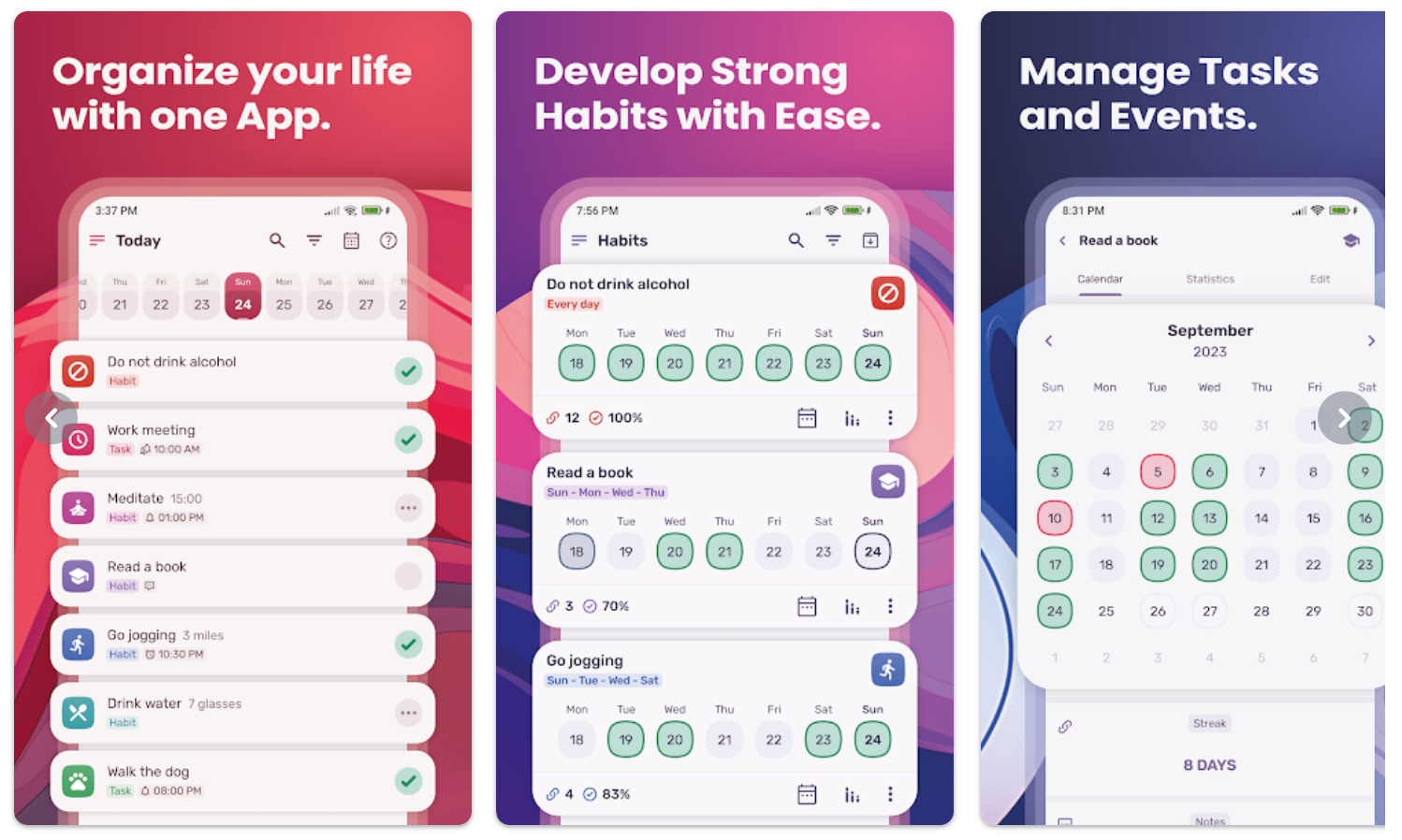
Best for: Android power users who want comprehensive tracking. Also available for iOS.
HabitNow packs more features than almost any competitor while maintaining a clean interface. You get detailed statistics, customizable widgets, and even the ability to track sub-habits.
- Key Feature: Motivational quotes and the ability to set different goals for weekdays versus weekends.
- Why it works: The detailed analytics help you spot exactly where you're struggling. Maybe you nail your habits Monday through Thursday but always crash on Friday.
The basic version is free with ads. Premium ($2.99/month) removes ads and adds features like cloud backup, custom themes, and advanced reminder options. The one-time lifetime purchase option ($11.99) makes it one of the better values.
 HabitNow
 Ankit Kumar
Tips for Choosing the Right Habit Tracker
- Start Small: Don't try tracking 15 habits at once. Pick 3 to 5 that will actually move the needle for you. Quality beats quantity every time.
- Match Your Style: If you're motivated by streaks, choose Streaks. If you need gamification, go with Habitica. The best tracker is the one you'll actually use.
- Test the Free Version: Almost every app offers a free tier or trial period. Use it for at least two weeks before committing to a paid plan.
Making Habits Actually Stick
The app is just the tool. The real work happens in how you structure your habits. Stack new habits onto existing routines instead of creating entirely new time blocks.
Keep the barrier to entry ridiculously low at first (think "do one pushup" not "workout for an hour"). Focus on consistency over perfection because doing something 80% as well for 100 days beats doing it perfectly for 10 days then quitting.
The goal isn't tracking habits forever. Eventually, the behaviors become automatic and you won't need the app anymore. These tools help bridge that gap between intention and integration.
Start with one app and one habit this week. Get that working smoothly before expanding. Small consistent actions compound into massive results over time.